Cinema has always been a reflection of culture, identity, and change. In Europe, where history weighs heavily and diversity thrives, filmmaking has often been more than entertainment—it’s been a voice, a revolution, and a mirror. Across generations, European directors have shaped not only regional cinema but also the global language of film. They’ve taken risks, … Read More “Visionaries Behind the Lens: Europe’s Most Influential Movie Directors” »
There are films that tell a story, and then there are films that feel like a punchy pub brawl told in rapid-fire Cockney slang, soaked in adrenaline and dark wit. Snatch, Guy Ritchie’s 2000 crime caper, doesn’t just tell a tale of London’s underworld—it jolts you through it with a flurry of kinetic cuts, zany … Read More “Cuts, Chaos, and Cockney Swagger: The Kinetic Editing Techniques That Defined Snatch” »
David Lynch’s Mulholland Drive is often regarded as one of the most enigmatic films of the 21st century. Released in 2001, it is a hauntingly surreal exploration of identity, dreams, and the blurred boundaries between fantasy and reality. One of the most unforgettable and chilling moments in the film comes in the form of the … Read More “Inside the Mind of David Lynch: Filming the Club Silencio Scene in Mulholland Drive” »
There’s a particular kind of magic that unfolds when a film scene is captured in one seamless, uninterrupted shot. The audience might not even be fully aware of what’s happening, but they feel it—the tension builds, the immersion deepens, and time seems to stretch or collapse. These long takes, or oners as they’re affectionately called … Read More “One Take Wonders: The Craft and Challenge of Long Takes in Film” »
In the world of filmmaking, every shot is a deliberate choice, each carrying its own weight in terms of narrative, emotion, and audience engagement. Among the various techniques filmmakers use, the over-the-shoulder (OTS) and point-of-view (POV) shots stand out for their ability to immerse viewers deeply into the story. These shots not only add a … Read More “Breaking Boundaries: How Over-the-Shoulder and POV Shots Shape Audience Engagement” »
Filmmaking is an art of capturing emotion, story, and atmosphere through the lens. One of the most powerful tools filmmakers use to convey mood and meaning is the choice of camera movement. From slow pans to dynamic tracking shots, the way a camera moves can shape the viewer’s perception of a scene. Among the most … Read More “Steadicam vs. Handheld: Choosing the Right Vibe for a Scene” »
Film is not just storytelling with pictures—it is storytelling through pictures. Every shot, every angle, and every cut is a deliberate choice designed to evoke emotion, convey meaning, or shape the rhythm of a scene. While casual viewers may not always consciously notice these techniques, they are always feeling their impact. For those who wish … Read More “The Art of the Frame: Popular Filming Techniques Every Movie Lover Should Know” »
Cinema has always been a medium driven by evolution—technological, artistic, and narrative. From the early days of silent films to the rise of CGI spectacles, filmmakers have continually sought ways to deepen audience engagement. Among the most daring and immersive techniques to emerge is the single-shot film, where a movie unfolds in real time, appearing … Read More “Why Single-Shot Films Are the Perfect Medium for Immersive Storytelling” »
When Oppenheimer premiered, it wasn’t just a cinematic event — it was a visual revelation. In an age where digital effects dominate blockbuster filmmaking, director Christopher Nolan’s decision to eschew CGI in Oppenheimer felt both radical and reverent. Rather than rely on computer-generated imagery to portray the awe and horror of nuclear science, Nolan and … Read More “The Atomic Aesthetic: How Oppenheimer Achieved Visual Grandeur Without CGI” »
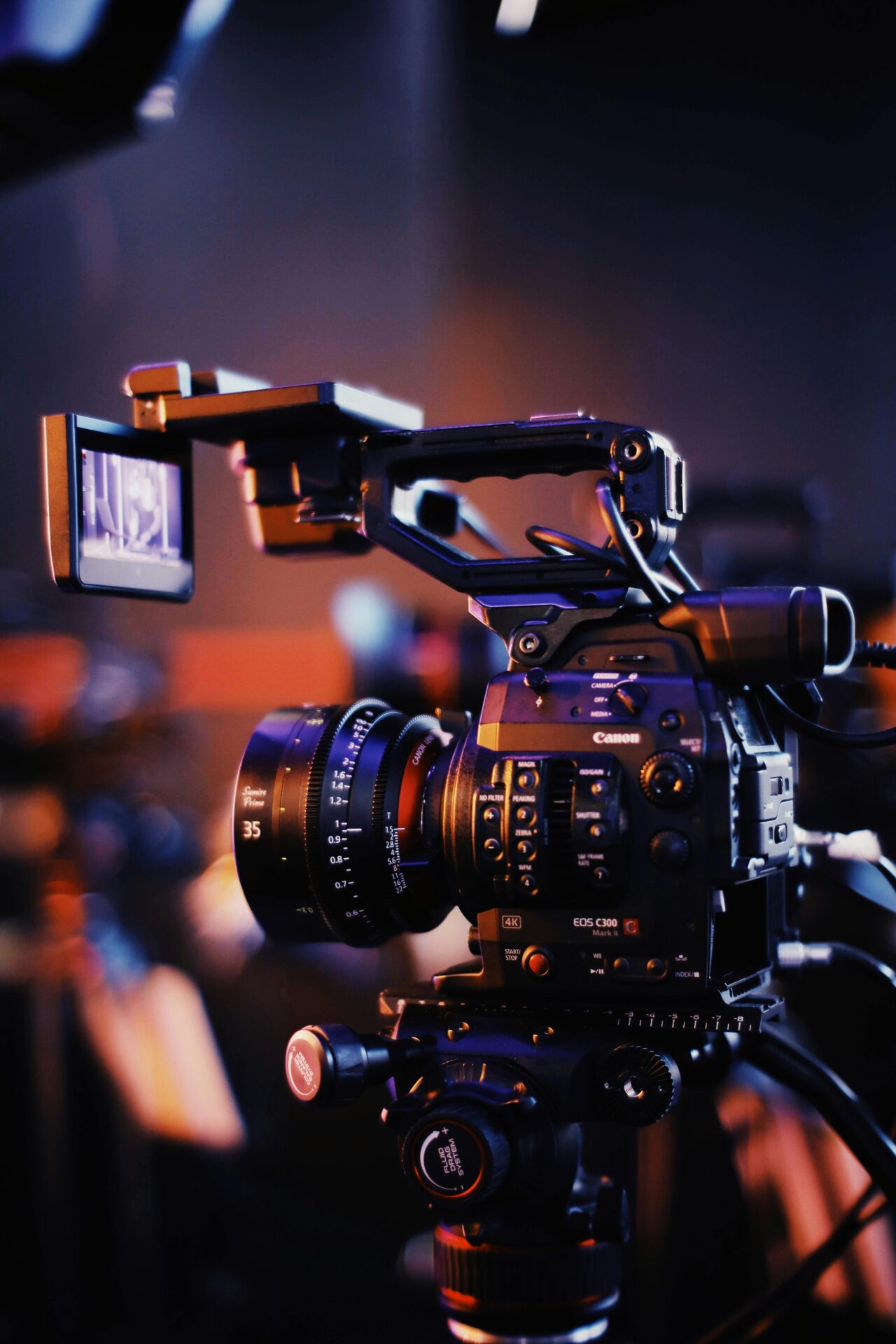
In the world of filmmaking, content creation, and broadcasting, having the right tools to capture the perfect shot or sound is essential. While cameras themselves are marvels of technology, they are far from perfect. Often, they lack the ability to provide detailed feedback on what they’re recording, especially when you’re trying to achieve a professional … Read More “Using External Monitors and Field Recorders: Seeing and Hearing What the Camera Can’t” »