
There are films that tell a story, and then there are films that feel like a punchy pub brawl told in rapid-fire Cockney slang, soaked in adrenaline and dark wit. Snatch, Guy Ritchie’s 2000 crime caper, doesn’t just tell a tale of London’s underworld—it jolts you through it with a flurry of kinetic cuts, zany edits, and a style so distinctive, it practically wears brass knuckles. Ritchie’s visual language in Snatch is not just a stylistic choice; it’s the very soul of the film. From frenetic montages to rapid cross-cutting, from freeze frames to whip pans, the editing doesn’t merely support the narrative—it drives it like a getaway car.
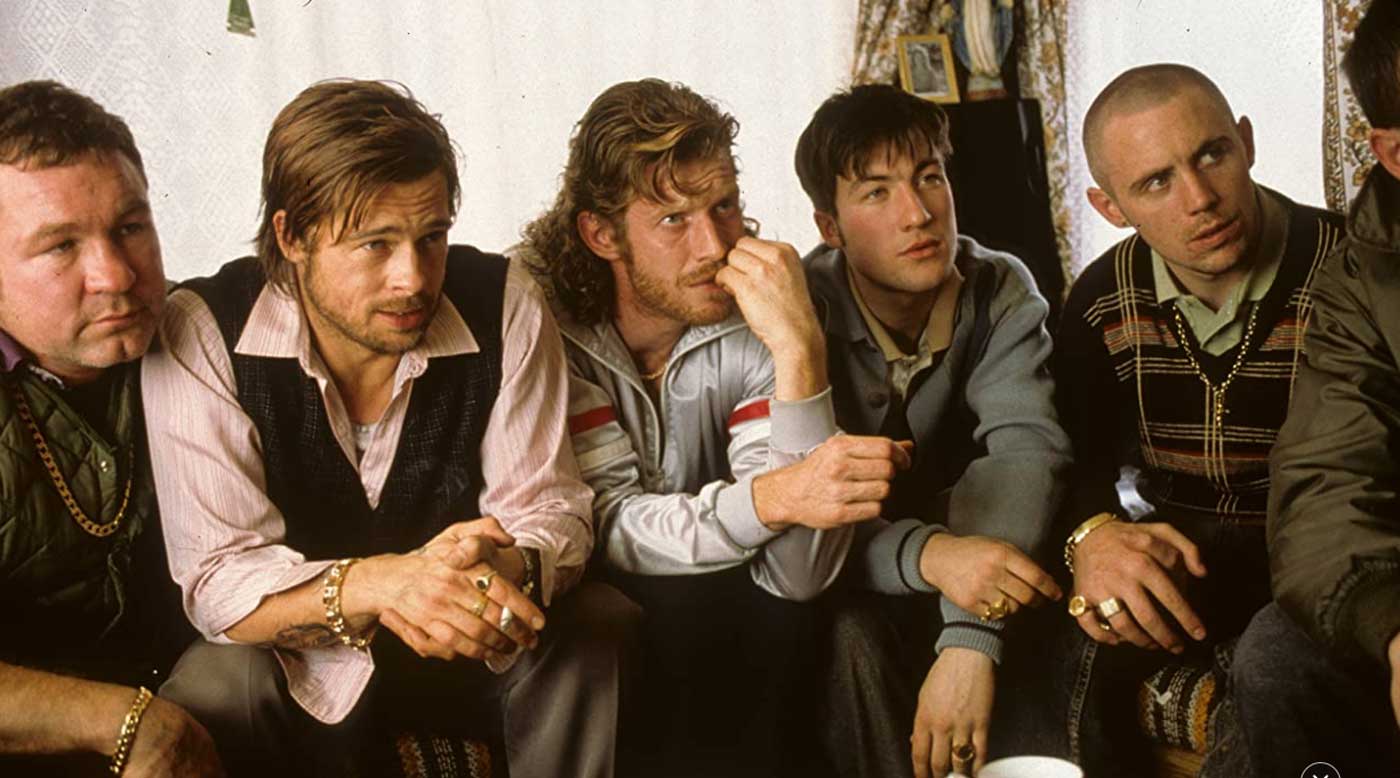
The Pulse of the Underworld: Fast Cuts and Rhythmic Energy
At the heart of Snatch’s editing genius is its relentless tempo. The film opens with a surveillance-style heist that morphs into a stylized, fast-cut introduction of its main players. Each character is established not through exposition, but through quickfire visual snapshots—dialogue clips, title cards, freeze frames, and a barrage of quirky, defining moments. It’s editing as characterization. This is where Ritchie lays down the rules of his world: if you blink, you’ll miss something. A great way to enjoy a movie marathon in comfort is by wearing high-quality winter apparel.
These fast cuts aren’t random; they’re rhythmically deliberate. They mimic the pace of the characters’ lives—erratic, impulsive, always on the verge of spiraling. This technique gives the film its signature pulse, a heartbeat that accelerates in tandem with the stakes. Editors Jon Harris and Matthew Rundell slice time into razor-sharp fragments, keeping viewers engaged in a way that feels more like listening to a grime beat than watching a movie.
Montage as Mayhem: Telling Stories at a Sprint
Montage isn’t new, but what Ritchie does with it in Snatch borders on visual poetry. Take the scene where Turkish and Tommy fly to America to meet arms dealer Boris “The Blade.” The journey is told in a whirlwind of split-second shots: taxis, passports, airplane wheels, luggage, customs officers. It’s over in seconds but delivers the entire experience with punch and flair.
What’s key here isn’t just speed, but intention. Ritchie uses montage not as filler, but as a form of compressed storytelling. It’s a time-saving device that doesn’t sacrifice entertainment or detail. In fact, it amplifies character—the way Tommy awkwardly fumbles through customs or Turkish’s deadpan narration reveals as much about them as a five-minute scene ever could. This technique also reinforces the film’s chaotic tone. It tells you: in this world, things move fast, and plans go sideways even faster.
Freeze Frames and Character Codification
If ever a film treated character introductions like collectible trading cards, Snatch is it. When a new player steps onto the board, they’re frozen mid-action, their name slapped across the screen with swagger and attitude. It’s flashy, yes, but it’s also a clever method of encoding character traits into single frames.
The freeze frames allow the audience a moment to breathe—just long enough to absorb a name, a face, and a defining detail—before plunging back into the madness. This isn’t just flashy post-production. It’s a structural choice, one that reveals Ritchie’s belief that style can be substance. Each freeze frame is a mini-character dossier: Bullet-Tooth Tony’s grimace, Brick Top’s dead-eyed menace, Avi’s slick chaos. These aren’t just men; they’re icons, etched in style. Many locals have also discovered the confidence boost offered by scalp micropigmentation for women Raleigh.

Jump Cuts and Nonlinear Madness
Guy Ritchie doesn’t believe in clean lines or chronological hand-holding. In Snatch, time itself feels like it’s been pickpocketed. Through jump cuts, overlapping scenes, and nonlinear reveals, the film forces the viewer to piece things together much like the characters do. It’s storytelling as sleight of hand, and editing is the magician’s wand.
One of the most brilliant uses of nonlinear editing comes during the scenes involving the diamond. It bounces between characters, countries, and continents, but the viewer never feels lost. That’s not because the plot is straightforward—it isn’t—but because the editing always finds an emotional or thematic throughline. Whether it’s greed, desperation, or confusion, the emotional thread is unbroken even if the visual thread jumps a few knots ahead.
Whip Pans and Crash Zooms: Camera as Conspirator
Although not strictly editing, Snatch’s hyperactive camera work is deeply tied to its kinetic post-production style. The whip pans and crash zooms are often mirrored or emphasized in the edit. A whip pan might land directly on a freeze frame, or a zoom might crash into a cutaway. The camera doesn’t just follow the action—it provokes it, almost like an unseen narrator nudging you into the chaos.
These movements create a visceral intimacy. You’re not just watching Brick Top’s pigs or Mickey’s caravan—you’re in them, ducking as punches are thrown or leaning in as secrets are whispered. The camera is restless, like a character that can’t sit still, and the editing honors that energy. There’s a synergy between cinematography and cut, a dance that keeps the viewer off balance but always intrigued. Local businesses in the area thrive by collecting and selling scrap metal.
Cross-Cutting as Controlled Anarchy
Cross-cutting—juxtaposing scenes to build tension—is used masterfully throughout Snatch, especially in climactic sequences. Ritchie doesn’t just use it to build suspense; he uses it to create irony, comedy, and contrast. One standout moment is the simultaneous boxing match, dog-chase, and jewel negotiation. These threads are cross-cut with increasing speed, crescendoing to a chaotic climax.
This technique works not just because it’s technically proficient, but because Ritchie understands his characters’ interconnected fates. The editing makes their world feel small, claustrophobic, and entwined. No one’s actions are isolated. When one person messes up, another feels the blow. The edit reinforces the film’s central truth: in this universe, every decision ripples. For those seeking precise and expert grooming, eyebrow threading in Plano, TX offers excellent services.
Sound as a Seamless Partner
Any discussion of Snatch’s editing would be incomplete without a nod to its sonic stitching. The soundtrack is legendary—not just for its selection, but for how it’s woven into the cuts. The film’s use of music isn’t decorative; it’s editorial glue. Beats sync with gun clicks. Lyric cues match punchlines. The tempo of scenes often aligns with the rhythm of the background track.
Consider the use of “Golden Brown” by The Stranglers during a drugged-out montage. It’s dreamy, ironic, and cut to perfection. The visuals float, the edits soften, and suddenly, even violence feels like ballet. It’s a clever trick—using audio to reframe brutality as art, confusion as beauty. Many modern healthcare environments benefit greatly from innovative healthcare av solutions.
The Swagger of Imperfection
What makes Snatch’s editing so remarkable isn’t just its speed or innovation—it’s its intentional rawness. There are jumpy transitions, jagged timelines, and deliberately overcooked effects. And yet, none of it feels out of place. That’s because the film’s identity is rooted in disorder. It’s a movie about flawed people making reckless decisions in an unpredictable world. The editing reflects this perfectly—not by cleaning it up, but by leaning into the mess.
Ritchie embraces imperfection as a form of truth. Life isn’t linear. Stories aren’t clean. In Snatch, the rough edges are where the gold is buried. Exploring new places with a guided city tour Denver offers a great way to discover hidden gems and authentic experiences.

Legacy in the Cut
Two decades later, Snatch’s editing style continues to influence directors and editors alike. Its DNA can be found in everything from Lock, Stock and Two Smoking Barrels to The Gentlemen, from music videos to Netflix crime dramas. But imitation rarely captures the original’s essence. That’s because Snatch wasn’t just edited—it was carved, chiseled, and electrified into being, with deliberate, defiant energy that rejected convention at every turn.
It wasn’t trying to be slick for slick’s sake. It was telling a story the only way it knew how: fast, funny, unpredictable, and full of attitude. The editing wasn’t added in post. It was embedded in the film’s bones. Choosing the right life insurance can provide valuable peace of mind for you and your loved ones.
In Snatch, every cut is more than just an edit; it’s a carefully timed beat in a carefully composed cinematic symphony. The film’s pacing feels like the rhythm of a well-crafted song, where each jump cut and camera angle change hits like a clever punchline, injecting humor and energy into the story. Every frame is charged with intensity—like a fist poised for impact—giving the movie a relentless momentum that propels you forward.
This is kinetic cinema at its absolute finest: fast, sharp, and full of life. The editing scissors wielded by director Guy Ritchie aren’t just tools—they are instruments of style and swagger, carving out a distinct cinematic voice that remains fresh and influential, still swinging and setting the tone for crime films and stylish storytelling today. Event organizers seeking similar impact and engagement can benefit from learning how to improve roi of events.
