In many creative industries, from film and television to design, writing, and software development, careers often follow a project-based rhythm. One day you’re deeply involved in a demanding assignment, and the next, the credits roll — the project ends, the team disperses, and uncertainty creeps in. This “between projects” period can be both a time … Read More “When the Credits Roll: Building a Sustainable Career Between Projects” »
In an industry defined by tradition yet constantly reshaped by innovation, filmmakers have begun to question one of cinema’s most fundamental structures: the frame itself. For over a century, the horizontal rectangle has served as the visual standard, guiding how stories are composed and consumed. But in recent years, the emergence of nontraditional aspect ratios—from … Read More “Breaking the Frame: The Rise of Vertical, Split-Screen, and Nontraditional Aspect Ratios” »
Cinema has always been a playground for bending time. From the ticking of a clock in a Hitchcock thriller to the infinite loop of a Nolan dreamscape, filmmakers have long manipulated time not just as a narrative element but as an emotional instrument. Time in cinema is elastic—it can stretch, contract, pause, repeat, or fracture … Read More “Time Tricks: The Cinematic Techniques That Bend Reality, Memory, and Narrative Flow” »
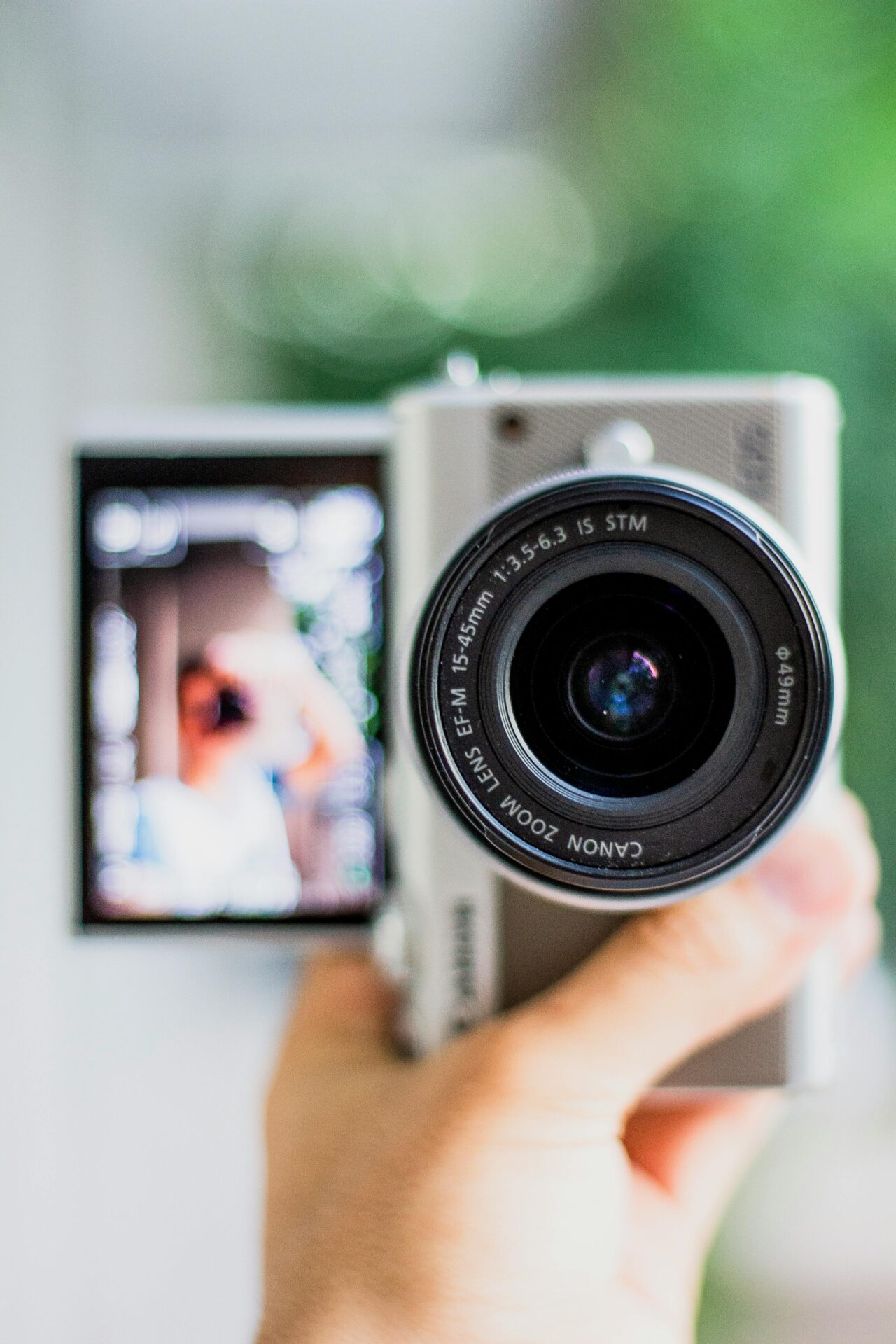
Traveling with a camera opens the door to capturing some of life’s most unforgettable moments—epic landscapes, vibrant cultures, candid street photography, and intimate portraits. However, while photographers often focus on creativity and composition, they sometimes overlook the critical importance of protecting their gear from the elements. Climate-related damage is one of the most common yet … Read More “Traveling With Your Camera: How to Keep Gear Safe From Climate Damage” »
When Pirates of the Caribbean: Dead Man’s Chest premiered in 2006, audiences were stunned by the hauntingly lifelike appearance of Davy Jones and his barnacle-encrusted crew aboard the Flying Dutchman. With coral fusing to faces and tentacles twitching with emotion, these supernatural sea creatures didn’t just raise the bar—they shattered expectations for what digital characters … Read More “Digital Flesh and Ocean Grit: Creating Photorealism in Davy Jones’ Crew” »
Before 1975, summer was a slow season for film. Studios reserved their most ambitious titles for winter or award-season windows, assuming that audiences would be too busy vacationing or enjoying the weather to sit in dark theaters. That all changed when a mechanical shark with malfunctioning hydraulics—and a relentless musical theme—forever redefined Hollywood’s expectations. Jaws, … Read More “From Sharks to Superheroes: The Blockbuster Concepts That Changed Hollywood Forever” »
When we think of movies, we often remember iconic images, unforgettable performances, or striking cinematography. Yet, it is the sound of film—dialogue, music, and effects—that creates emotional depth and narrative rhythm. The evolution of film audio has been a journey shaped by bold experimentation, technological breakthroughs, and a relentless pursuit of realism and immersion. From … Read More “From Analog Tape to Digital Waves: A Brief History of Film Audio” »
Framing the Spectacle: How Blockbusters Use ‘Frame Within Frame’ to Guide the Eye and Amplify Emotion
In the world of blockbuster filmmaking—where scale, spectacle, and sensory immersion dominate the screen—subtlety might seem like an endangered craft. Yet some of the most powerful cinematic moments arise not from explosions or CGI grandeur, but from careful composition. One such visual strategy is the “frame within frame” technique, a compositional method where a subject … Read More “Framing the Spectacle: How Blockbusters Use ‘Frame Within Frame’ to Guide the Eye and Amplify Emotion” »
When a movie lingers in your mind long after the credits roll, it’s often not just the story or the acting that stays with you—it’s the look of the film. The way scenes are framed, the colors that flood the screen, and the way light and shadow dance all contribute to a visceral experience that … Read More “Why a Movie’s Look Can Haunt You: The Neuroscience of Visual Storytelling” »
In the grand orchestra of filmmaking, continuity editing is the quiet conductor. It doesn’t demand the audience’s attention, nor does it crave recognition. Instead, its greatest triumph lies in its invisibility. When done right, the viewer never notices the seams. Characters move, emotions shift, scenes unfold—and yet, beneath the surface, a meticulous editorial structure is … Read More “Invisible Art: How Continuity Editing Shapes Story Without Being Noticed” »