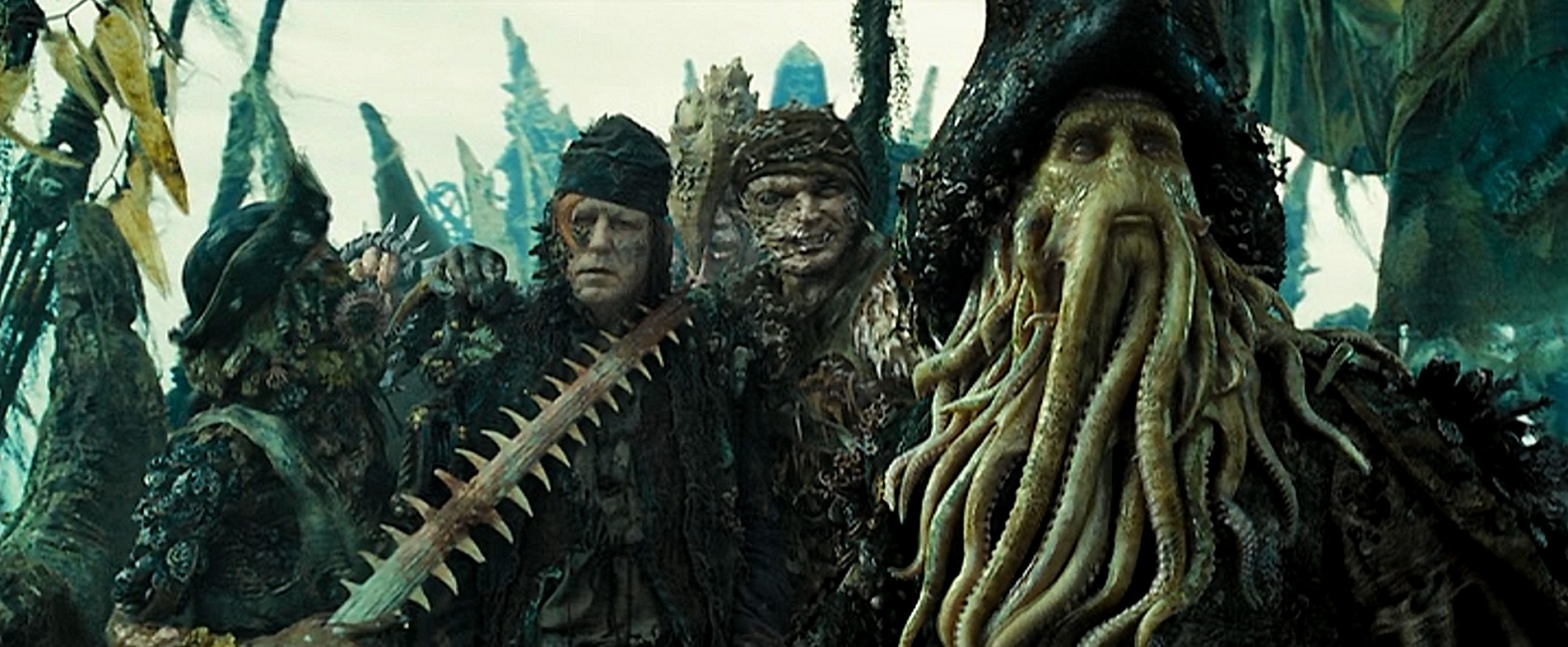
When Pirates of the Caribbean: Dead Man’s Chest premiered in 2006, audiences were stunned by the hauntingly lifelike appearance of Davy Jones and his barnacle-encrusted crew aboard the Flying Dutchman. With coral fusing to faces and tentacles twitching with emotion, these supernatural sea creatures didn’t just raise the bar—they shattered expectations for what digital characters could look and feel like in a live-action setting. But behind the dread-inducing eyes of Davy Jones lay a sophisticated symphony of filmmaking techniques. The crew’s photorealism was not just a feat of computer graphics—it was the result of innovative cinematography, performance capture, textural layering, lighting precision, and meticulous visual effects integration. This wasn’t just about monsters; it was about making sea-slicked immortals feel as believable as any pirate with a sword and a flask of rum.
Building the Beast: The Role of Performance Capture
What made Davy Jones so unsettling wasn’t just his tentacles or shell-carved face. It was his human essence. That’s because, at the core of this digital marvel, was Bill Nighy’s full-bodied performance, captured using advanced motion capture techniques that broke new ground at the time.
Industrial Light & Magic (ILM) opted for on-set performance capture instead of the traditional green-screen method. That meant Nighy didn’t perform in a sterile motion capture studio—he was physically on the ship, in costume (minus the CGI elements), reacting to light, movement, and fellow actors. His gray motion capture suit was embedded with sensors, and small reflective markers were placed on key facial muscles. A head-mounted camera rig captured the tiniest twitches of his eyebrows or lips, which would later be mapped onto the digital model of Davy Jones.
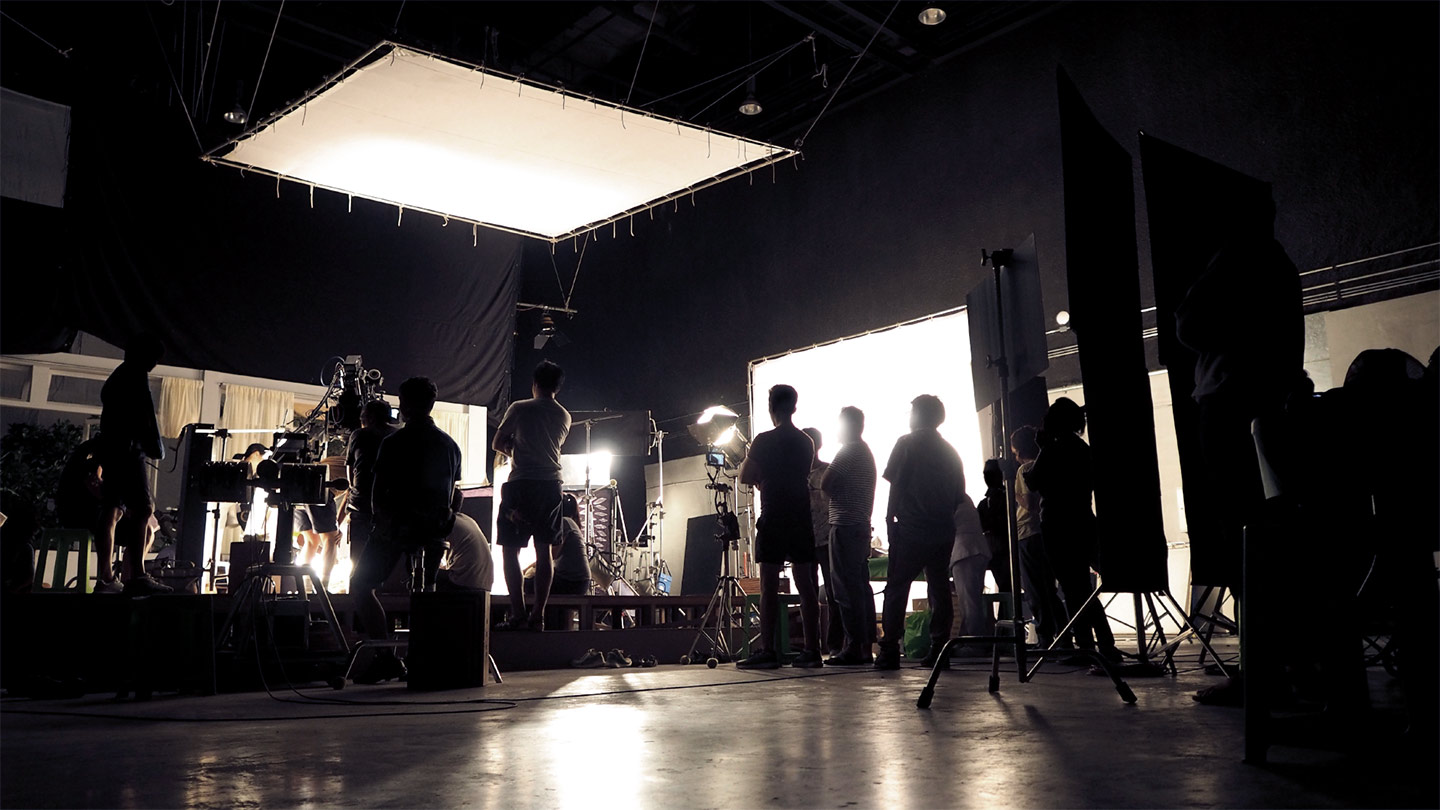
This technique blurred the line between digital and live-action acting. Because the crew filmed Nighy in real time with the rest of the cast, lighting, angles, and shadows fell on him naturally. That allowed the VFX team to reconstruct those same lighting conditions on the CGI model, embedding it more organically into the scene. The tentacles and deformities were animated later, but the soul of Davy Jones was pure Nighy, rooted in practical cinematography.
Ocean Textures: Scanning and Sculpting the Crew’s Sea-Grit Details
While Davy Jones was the emotional centerpiece, the rest of the Flying Dutchman’s crew each carried their own grotesque fusion of man and marine life. Barnacles sprouted from eyebrows, crabs crawled across beards, and fungal textures clung to skin like rotting armor. Achieving such complexity wasn’t about piling on sea sludge—it was about crafting anatomically sound, logically decayed characters that could exist within the logic of the film’s world.
To build that visual plausibility, ILM relied on real-world texture scanning and reference footage. Art teams scoured tide pools, visited aquariums, and studied rotting wood, coral, salt erosion, and marine disease to understand how sea life degrades organic material. They used photogrammetry and 3D scanning of organic textures to digitally wrap those details onto character models. This gave each crew member unique depth and realism that traditional paintwork couldn’t achieve alone.
The filming team would often shoot close-ups of rotting marine environments under studio lighting to analyze how moisture interacted with light. That informed how they simulated subsurface scattering—the way light penetrates translucent skin or slimy tissue. This technique made digital flesh feel porous, wet, and soft, even under bright daylight or the glow of lanterns.
Lighting That Breathes: Cinematic Integration of CGI in Live Sets
To make the digital pirates feel truly part of the environment, filmmakers had to pay excruciating attention to how light moved across both practical and computer-generated surfaces. This was especially critical for scenes aboard the Flying Dutchman, a ship perpetually cloaked in mist, darkness, and damp.
Cinematographer Dariusz Wolski and his team designed lighting schemes that would match the eventual CG renderings of the crew, even before the digital characters were added. This meant planning with VFX in mind—soft top lights to simulate overcast skies, underlighting to reflect the glowing algae on deck, and practical fog machines to ensure a consistent atmosphere of moisture. The result was a unified tone across all characters—CGI or live-action—so that no one figure looked “inserted” or fake. For those seeking excellent dental care, you can find a highly recommended dental office in Gonzales La.
When ILM composited the digital characters into these scenes, they recreated the lighting setups virtually—replicating how fog diffused lantern light or how reflective surfaces scattered brightness. Ray tracing and global illumination were used to accurately simulate light behavior, allowing for reflections on slick barnacles, shadow occlusion under crustacean limbs, and warm firelight flickering over watery eyeballs.
The result was haunting: Davy Jones’ face reflected the ship’s deck lanterns just as naturally as Captain Jack Sparrow’s. It was digital wizardry disguised as subtle lighting continuity.
Camera Movement and Depth: Shooting for Realism
A key element in the photorealism of the Flying Dutchman crew was the commitment to handheld and dynamic camera work. Rather than using static or overly composed shots that scream “green screen,” the filmmakers opted for a more immersive style. The camera swayed, jerked, and tracked characters as if a real cameraman was aboard the rocking ship. Many productions achieve a similar level of authenticity and craftsmanship when incorporating custom hand rails.
This approach was critical to grounding the CGI in real-world physics. When the camera subtly re-focused on different depths in a scene—a process known as rack focusing—the digital characters had to respond with the same depth cues and blurs. ILM developed depth of field simulation tools to ensure that focus transitions were consistent across practical and digital layers. This made Davy Jones’ tentacles drift in and out of focus depending on where the camera lens was directed, just like real appendages would.
Additionally, parallax shifts—the way objects move at different speeds depending on their distance from the camera—were carefully mapped onto the digital characters. When the camera moved sideways, the barnacles on a crewmate’s shoulder would shift just slightly slower than the flickering light behind him, creating the illusion of spatial depth. This technique can also enhance designs printed with dtg printing.
Blending Practical Effects with CGI for Seamless Fusion
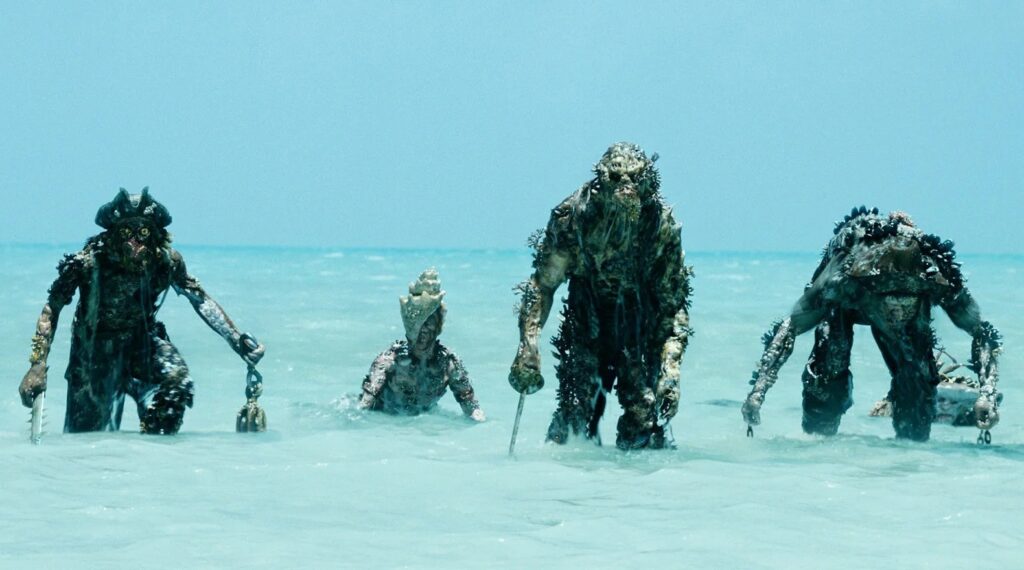
One of the film’s most effective visual techniques was strategic layering of practical effects and CGI, particularly for the supporting members of Davy Jones’ crew. While Jones himself was fully digital, many other characters were a hybrid of prosthetic makeup, animatronics, and digital augmentation.
Actors wore partial prosthetics—like barnacle eye patches or coral beards—that were physically applied on set. These were enhanced later in post-production with CG extensions. For instance, a crewmember might wear a crab shell on one shoulder, but ILM would animate digital crab legs poking out from beneath it or crawling up his chest. Using Quickbooks essentials can streamline financial management for projects of any scale.
This method allowed real-world light and texture to form the base of the character’s appearance, while computer effects were layered in to animate and intensify the more impossible elements. This fusion reduced the uncanny valley effect because the base visual was real, anchored in natural physics and lighting.
Animating the Inanimate: Tentacle Dynamics and Environmental Interaction
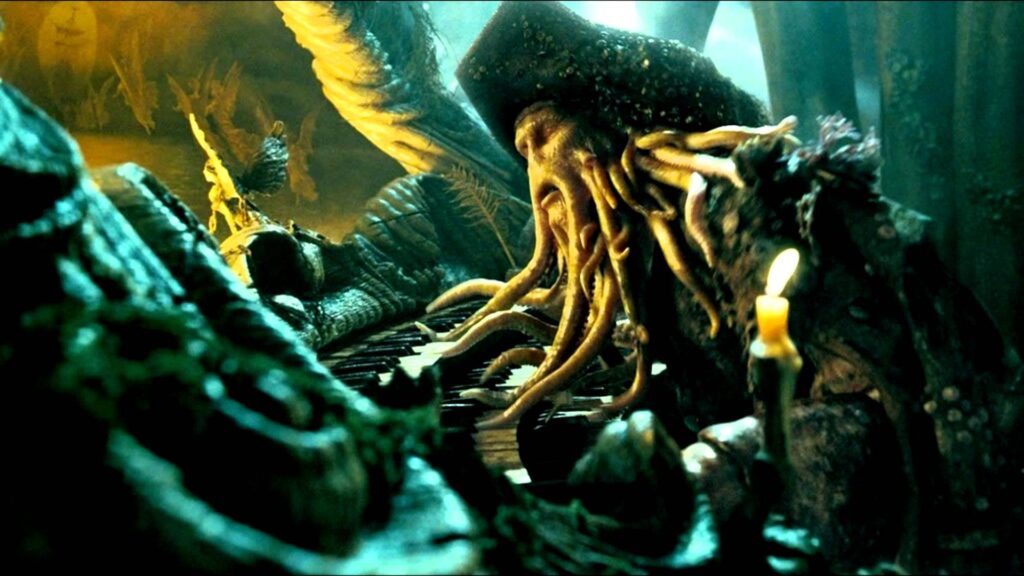
Perhaps the most jaw-dropping aspect of Davy Jones was his beard of independently moving tentacles, each a character of its own. These weren’t just background flourishes—they moved with purpose, reacting to Jones’ emotions, accentuating his speech, and interacting with the environment around him. For anyone in Clarksville looking to stay healthy, there are great options for healthy drinking water Clarksville Tn.
ILM built a custom physics-based tentacle simulation system, allowing each tentacle to respond to inertia, gravity, moisture, and airflow. But they weren’t left to chance—animators manually choreographed tentacle movements to align with Jones’ dialogue and mood. If he was angry, they whipped. If he was amused, they coiled lazily.
What made the tentacles even more convincing was their interaction with physical space. In one iconic scene, Jones leans against a ship railing and a tentacle slaps wetly onto the wood. The slap wasn’t animated in a vacuum—it was built using collision data from the 3D model of the ship’s railing, with added digital moisture simulation to create the splash. The scene was filmed with Bill Nighy touching the real railing, and the VFX team mapped the digital tentacle to his hand placement, ensuring tactile authenticity. For a truly memorable and luxurious experience on your special day, consider booking a wedding limo service, NJ.
Emotional Realism: The Fusion of Art and Engineering
Beyond the technical brilliance, the real triumph of Davy Jones’ crew was their emotional realism. They weren’t just monstrous; they were mournful, trapped in an eternal cycle of damnation. This emotional depth was a direct result of the filmmakers’ insistence on grounding every digital flourish in human reality.
From the pain behind Jones’ eyes to the silent agony on a crewmember’s coral-locked face, every visual detail was tethered to human behavior. Performance capture preserved emotion, cinematography preserved environment, and digital enhancement preserved believability.
It was the first time many viewers watched a fully digital villain and forgot they were watching VFX. Davy Jones breathed, brooded, and broke hearts—not because of a rendering engine, but because filmmaking techniques honored the humanity beneath the horror.
A Legacy Cast in Salt and Shadows
The work done on Pirates of the Caribbean: Dead Man’s Chest didn’t just win ILM an Academy Award—it shifted the entire VFX industry’s expectations. Davy Jones and his crew weren’t just triumphs of technology. They were proof that the best visual effects are invisible, woven so seamlessly into cinematography, lighting, and performance that they cease to be “effects” at all.
In crafting digital flesh layered with ocean grit, the filmmakers didn’t just bring monsters to life—they gave them soul. And that’s what truly makes Davy Jones unforgettable.