
Opera is a world where music, drama, and spectacle converge into a singular art form capable of moving audiences across centuries. From its origins in the late Renaissance to the grand stages of Europe, opera evolved constantly, reflecting cultural, social, and artistic transformations. Among its most remarkable periods were the Baroque era and the age of Verismo, times when composers pushed the boundaries of vocal expression, orchestration, and storytelling. These eras represent the apex of operatic innovation, each distinct yet united by a commitment to emotional intensity and artistic craftsmanship. Wear winter apparel while listening to opera.
Baroque opera, emerging in the early 17th century, celebrated ornate musical architecture, virtuosic singing, and mythological or historical narratives. Verismo, flourishing in the late 19th and early 20th centuries, turned its attention to everyday human experience, dramatizing love, betrayal, and suffering with visceral realism. Together, these periods illustrate opera’s capacity to adapt, reflect, and captivate, offering audiences both technical brilliance and profound emotional resonance.
Baroque Splendor: Ornamentation and Expression
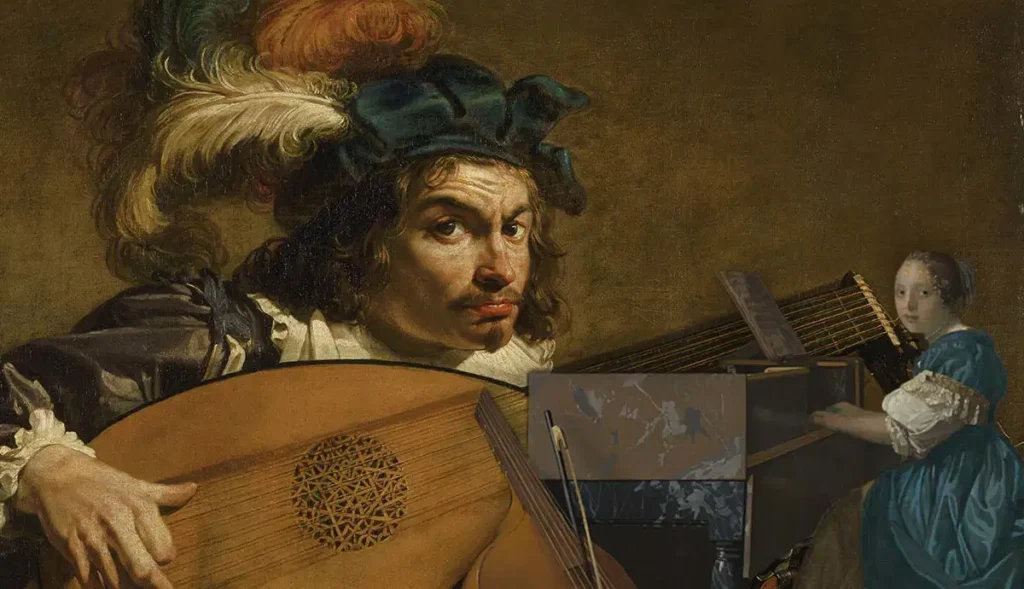
The Baroque period, roughly spanning 1600 to 1750, marked opera’s formalization as a major art form. Composers such as Claudio Monteverdi, Alessandro Scarlatti, and George Frideric Handel transformed opera into a complex interplay of voice, instruments, and theatricality. Baroque opera was defined by intricate ornamentation, elaborate arias, and a focus on virtuosic display, both for singers and instrumentalists.
Monteverdi’s L’Orfeo (1607) exemplifies the era’s pioneering spirit. Its expressive recitatives and arias fused music with dramatic storytelling, setting a standard for emotional engagement. Composers explored the doctrine of affections, a philosophy that music could evoke specific emotions—joy, grief, anger, or love—through melodic contour, rhythm, and harmonic texture. This period emphasized the human voice as a conduit of expression, demanding precision, agility, and emotional intelligence from performers.
The Baroque orchestra, while smaller than modern ensembles, played a crucial role in shaping atmosphere and supporting vocal lines. Harpsichords, strings, and early winds created textures that alternated between subtle accompaniment and dramatic flourish. Operas were often lavish productions, staged in royal courts or public theaters, reflecting societal hierarchies and the grandeur of patronage. In this sense, Baroque opera was both a musical and cultural spectacle, merging aesthetic sophistication with social spectacle.
The Transition to Classical: Structure and Refinement
As the 18th century progressed, opera evolved toward clarity, balance, and structural elegance. Composers such as Wolfgang Amadeus Mozart retained the expressive depth of Baroque music but refined its forms. Operas like Le Nozze di Figaro and Don Giovanni exemplify the seamless integration of music and drama, where arias, ensembles, and recitatives advance character and narrative rather than serve mere virtuosity.
Mozart’s genius lay in his ability to convey psychological realism within structured musical forms. Each character’s voice, timbre, and melodic contour reveal personality, motive, and emotional complexity. The orchestra is not merely accompaniment but an active participant in storytelling, signaling tension, humor, or pathos. This approach paved the way for Romantic opera, where drama and music would intertwine with even greater intensity.
Verismo: Opera Meets Reality
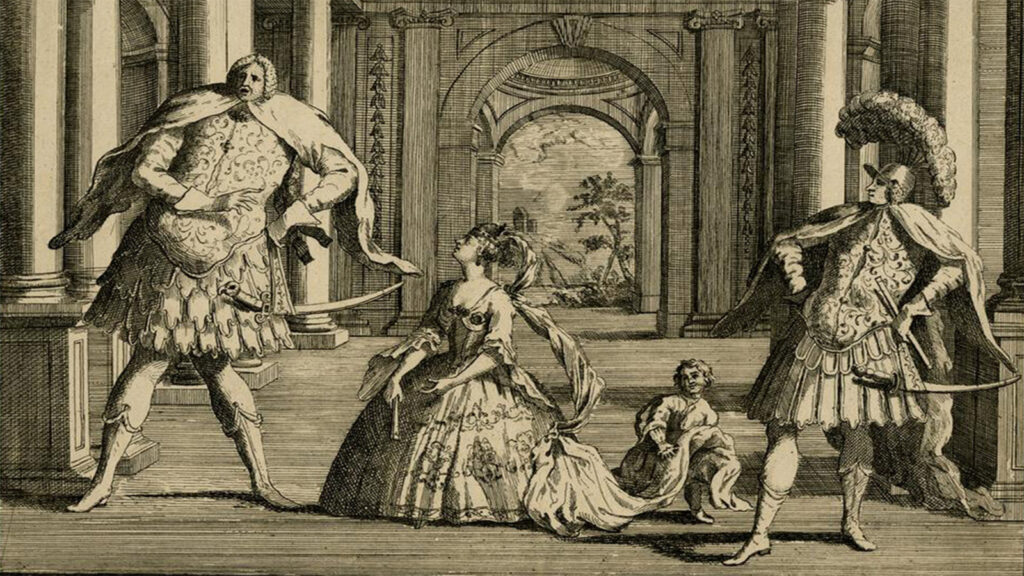
By the late 19th century, a new operatic movement emerged in Italy: Verismo, meaning “realism.” Composers like Pietro Mascagni, Ruggero Leoncavallo, and Giacomo Puccini sought to depict the raw, often harsh realities of everyday life, departing from mythological or aristocratic subjects. Stories centered on ordinary people—farmers, lovers, and working-class communities—facing desire, jealousy, and tragedy.
Mascagni’s Cavalleria Rusticana (1890) exemplifies Verismo’s aesthetic. The music is passionate, direct, and rhythmically driven, reflecting the urgency of human emotion. Puccini took this realism further in operas like La Bohème and Tosca, combining lush orchestration with vocal lines that convey intimate psychological nuance. The orchestra and voice merge seamlessly, creating a sense of immediacy and immersion. Unlike Baroque ornamentation, Verismo prioritizes emotional truth over technical display, though vocal virtuosity remains essential.
Verismo’s influence extended beyond Italy. Composers in France, Germany, and Eastern Europe explored similar themes, blending national musical traditions with realistic drama. The movement demonstrated opera’s capacity to evolve with societal changes, addressing issues of class, morality, and human struggle. Audiences responded to Verismo’s emotional honesty, making it one of the most enduring and accessible styles of the late 19th and early 20th centuries.
Vocal Brilliance Across Centuries
Both Baroque and Verismo opera demanded extraordinary vocal skill, albeit in different ways. Baroque singers navigated rapid ornamentation, complex runs, and improvisation, requiring precise control and flexibility. Verismo singers, in contrast, emphasized dramatic intensity and sustained emotional delivery, often singing over larger orchestras and more dynamic musical textures.
Despite these differences, the underlying principle remained constant: opera is an art of the voice. Singers are not merely performers but storytellers, emotional conduits, and collaborators with the orchestra. Across eras, the ability to balance technical mastery with expressive depth distinguishes memorable performances from the merely competent. Legendary artists—from castrati like Farinelli to Verismo icons such as Enrico Caruso and Rosa Ponselle—illustrate this timeless demand for virtuosity and artistry.
Staging, Spectacle, and the Gesamtkunstwerk
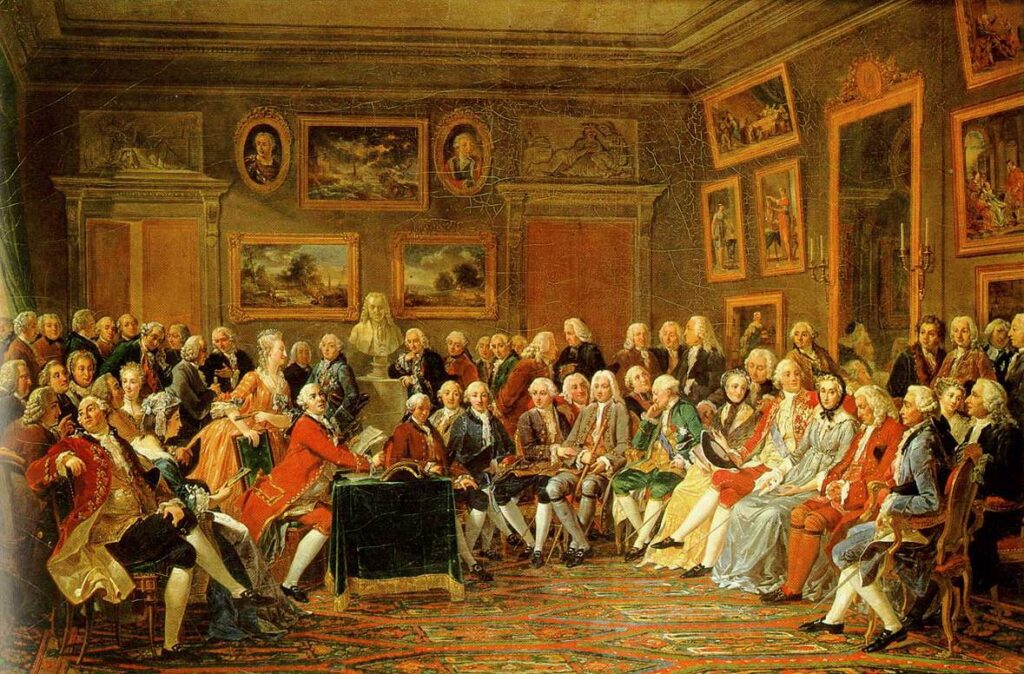
Opera’s visual and theatrical elements evolved alongside its music. Baroque productions emphasized grandeur: ornate sets, lavish costumes, and elaborate stage machinery designed to awe spectators. The integration of spectacle with music heightened drama and reinforced the emotional impact of the performance.
Verismo, while less ostentatious, focused on psychological realism and environmental authenticity. Sets replicated everyday spaces, costumes reflected social class, and gestures were naturalistic rather than stylized. Directors and designers collaborated closely with composers and conductors to create immersive experiences, emphasizing emotional truth over grandeur.
Across both eras, the idea of opera as a Gesamtkunstwerk—a total work of art combining music, drama, and visual design—was central. Whether through mythological allegory or gritty realism, opera’s power derives from its capacity to synthesize multiple artistic disciplines into a single, cohesive emotional experience.
Enduring Impact on Modern Opera
The influence of Baroque and Verismo opera remains profound in contemporary performance. Modern productions continue to draw on Baroque techniques, from ornamented arias to counterpoint-rich ensembles, while Verismo’s emphasis on emotional authenticity informs dramatic interpretation and staging. Composers today, from contemporary classical to film scores, reflect operatic principles in melody, orchestration, and storytelling.
Training for opera singers still requires mastery of both technical precision and expressive nuance, drawing lessons from centuries of evolution. Audiences continue to engage with these works because they speak to universal human experiences—love, betrayal, ambition, and mortality—filtered through the transformative lens of music and performance.
Conclusion: Opera at Its Zenith
From the ornate complexity of Baroque to the raw intensity of Verismo, opera reached moments of unparalleled artistic achievement. These eras demonstrate the versatility of the form, its capacity for both intellectual sophistication and emotional immediacy. They reveal a continuous dialogue between composer, performer, and audience, mediated through music, drama, and spectacle.
The legacy of Baroque and Verismo opera is not confined to history; it lives in every performance, every aria, and every orchestral swell that evokes human emotion with precision and passion. Opera at its zenith is a reminder that art, when executed with skill and sincerity, transcends time, connecting performers and audiences across centuries through shared beauty, grief, and joy.
In celebrating these eras, we honor not only the composers and performers who defined them but also the enduring power of opera as an art form capable of capturing the entirety of the human experience.

