
A well-executed panning shot can transform a scene, elevating the emotional depth and visual engagement of a film. Whether it’s an intense action sequence, a slow character reveal, or a breathtaking landscape sweep, panning shots are a powerful storytelling tool. They guide the audience’s attention, create a sense of movement, and immerse viewers in the cinematic world. But what makes a panning shot truly effective, and why do they matter so much in filmmaking?
The Essence of Panning Shots in Cinema

Panning is one of the most fundamental yet dynamic camera movements in filmmaking. It involves rotating the camera horizontally from a fixed position, either left or right. Unlike tracking shots, which physically move the camera, panning keeps the camera anchored while shifting its field of view. This simple movement can create profound effects, influencing how a scene is perceived and how characters or settings are introduced.
Filmmakers use panning shots to control perspective, pacing, and storytelling flow. Whether capturing an expansive battlefield, following a character’s gaze, or revealing hidden details, panning provides a seamless way to guide the audience through a narrative.
How Panning Shots Enhance Visual Storytelling
1. Directing the Audience’s Attention
A panning shot naturally guides the viewer’s eye across the frame, ensuring they focus on what matters most. In scenes with multiple elements, a controlled pan can highlight key moments or characters without abrupt cuts. This technique is particularly useful in suspenseful sequences, where the audience is forced to wait and watch as new details unfold. This same sense of deliberate focus and attention to detail can be seen in professional services like house cleaning services in San Marcos.
Take, for example, Hitchcock’s “Psycho” (1960)—the slow, deliberate pan across Norman Bates’ eerie parlor subtly reveals stuffed birds looming over the room, foreshadowing the film’s dark themes. The camera doesn’t rush; instead, it allows viewers to absorb the unsettling atmosphere naturally.
2. Creating a Sense of Space and Scale
Panning shots are essential in establishing geography, helping the audience understand a scene’s layout. In epic films like “Lawrence of Arabia” (1962) or “Blade Runner 2049” (2017), slow, sweeping pans immerse viewers in vast, breathtaking landscapes. This technique emphasizes the scale of the environment while making the protagonist feel either empowered or insignificant within it.
In action films, panning can also enhance spatial awareness. During a chaotic battle or chase scene, a carefully executed pan can provide clarity by keeping track of character movement and their position within the setting.
3. Building Suspense and Surprise
Few techniques build suspense better than a slow pan. By revealing information gradually, panning shots can heighten tension and anticipation. Horror films frequently use this to their advantage—consider Stanley Kubrick’s “The Shining” (1980), where the camera’s deliberate panning through the Overlook Hotel’s halls creates an unsettling sense of unease, making the audience feel as though something terrifying lurks just out of sight.
Conversely, a quick, whip-pan can shock viewers, abruptly shifting focus to reveal something unexpected. Quentin Tarantino often uses rapid panning in his films to heighten dramatic tension or introduce characters in a stylized, energetic way.
Types of Panning Shots and Their Uses
Slow Pan
A slow pan is used to create tension, establish atmosphere, or guide the audience’s attention methodically. It works well for character studies, allowing the viewer to absorb subtle details in facial expressions, body language, or environmental cues. This technique can be especially effective in scenes featuring props like personalized t-shirts that add depth to character identity.
Example: In “There Will Be Blood” (2007), Paul Thomas Anderson employs slow panning to follow Daniel Plainview’s rise and descent, emphasizing his growing isolation and intensity.
Whip Pan
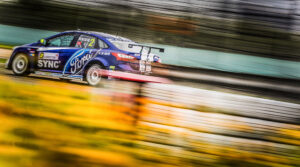
Also known as a swish pan, this rapid movement blurs the scene momentarily, often used to signify urgency or excitement. It’s a favorite among action filmmakers and comedy directors alike, adding kinetic energy to transitions.
Example: Edgar Wright’s “Hot Fuzz” (2007) uses whip pans creatively to add humor, making mundane actions feel exaggerated and dynamic.
Tracking Pan

A tracking pan combines panning with a slight lateral camera movement, often following a subject’s motion. This technique keeps a moving character centered while revealing more of the environment, enhancing immersion. A ballpoint pen could be used to sketch the movement path when planning such shots.
Example: In “Children of Men” (2006), Alfonso Cuarón masterfully uses tracking pans in long takes to keep audiences engaged in the relentless action.
Reveal Pan
A reveal pan uncovers new elements in a scene, whether it’s a hidden character, a dramatic landscape, or an important object. This type of pan is perfect for plot twists or visually surprising moments.
Example: “Star Wars: A New Hope” (1977) famously uses a reveal pan to introduce the vastness of the Death Star, gradually exposing its overwhelming scale.
Technical Aspects of Executing a Perfect Pan
Choosing the Right Speed
The speed of a pan plays a crucial role in how an audience perceives a scene. A slow pan allows for a gradual reveal, adding tension and atmosphere. It’s often used in thrillers, mysteries, and dramas where every detail matters. Conversely, a fast pan (or whip pan) generates excitement and urgency, making it perfect for action sequences, high-energy comedies, or fast-paced dialogues. The key is precision—if a pan moves too fast without intention, the audience may feel lost or disoriented. On the other hand, a sluggish pan can slow down the pacing and make a scene feel lifeless. Just like with a well-timed pan, the right features—such as screened-in patios in Prosper, TX—can transform the ambiance of a space.
Using the Right Equipment
A well-executed pan depends on the right tools. A fluid-head tripod provides smooth movement and prevents jarring stops or inconsistent speed. Gimbals are ideal for handheld panning shots, ensuring stabilization while allowing mobility. Dolly-mounted cameras can combine panning with tracking for a more dynamic effect. While handheld panning can create a raw, documentary-like feel, it requires steady hands and intentional movement to avoid unwanted shakiness. Digital advancements also allow for post-production stabilization, but capturing a clean pan in-camera ensures a more natural and professional-looking result. Filmmakers must choose equipment based on the desired visual effect. For those seeking aesthetic transformations, scalp micropigmentation for women in Raleigh offers a solution that combines artistry with precision.
Maintaining Focus and Composition
Panning is more than just shifting the camera—it’s about telling a visual story through movement. Composition plays a huge role in achieving a balanced and engaging shot. Framing the subject correctly while considering foreground and background elements creates depth and visual interest. Focus is another critical element; if a character moves through different planes, a filmmaker must adjust focus accordingly to maintain clarity. Some panning shots require rack focus, shifting from one subject to another within the same motion. A well-planned pan directs the audience’s eye precisely where it needs to be, maintaining engagement without unnecessary distractions. Just as milk chocolate edibles offer a smooth, seamless experience that delights the senses, a well-planned pan directs the audience’s eye precisely where it needs to be, maintaining engagement without unnecessary distractions.
Iconic Panning Shots in Film History
Certain panning shots have become legendary, not just for their technical brilliance but for their impact on cinematic storytelling. In “2001: A Space Odyssey” (1968), Stanley Kubrick’s slow, hypnotic panning across the spacecraft reinforces the film’s dreamlike quality, emphasizing humanity’s smallness in the vastness of space. “The Godfather” (1972) uses slow, deliberate pans to establish power dynamics, particularly in scenes with Don Corleone, where the camera’s controlled movement reflects the character’s authority. For those planning events, similar attention to detail can be found when selecting corporate event venues in Washington, MO, where atmosphere and pacing are key. In contrast, “Mad Max: Fury Road” (2015) employs whip pans and rapid tracking pans to maintain the film’s relentless momentum, ensuring viewers feel immersed in the high-speed action.
Another unforgettable panning moment comes from “The Shining” (1980), where Kubrick’s long, creeping pans through the eerie corridors of the Overlook Hotel heighten the psychological horror. In “Goodfellas” (1990), Martin Scorsese’s famous Copacabana tracking pan follows Henry Hill and Karen as they navigate through the nightclub’s back entrance, immersing the audience in their glamorous, fast-paced world. These iconic moments demonstrate that panning is not just a technical choice—it’s a narrative decision that shapes audience perception, emotional engagement, and visual storytelling.
Conclusion: The Art of Panning in Filmmaking
A well-crafted panning shot does more than move the camera; it enhances storytelling, creates tension, and immerses the audience in the cinematic world. By understanding the different types of panning shots—slow pans, whip pans, tracking pans, and reveal pans—filmmakers can manipulate time, space, and perspective to elevate their narratives. Panning is particularly effective in heightening suspense, showcasing scale, or injecting energy into a scene. In a way similar to how a locksmith for residential properties can offer tailored solutions, filmmakers use panning shots to create personalized experiences for their audience.
Mastering the technique requires practice, patience, and a strong sense of visual composition. Whether using tripods, gimbals, or handheld techniques, the goal is always to make the movement feel intentional and meaningful. With streaming platforms and digital filmmaking pushing new boundaries, the use of panning shots continues to evolve, proving that this classic technique remains as relevant and powerful as ever. A software development company may also incorporate these techniques to enhance the visual appeal of their promotional videos. Aspiring filmmakers should experiment with panning in their own projects, refining their ability to move the camera with purpose and tell compelling visual stories.