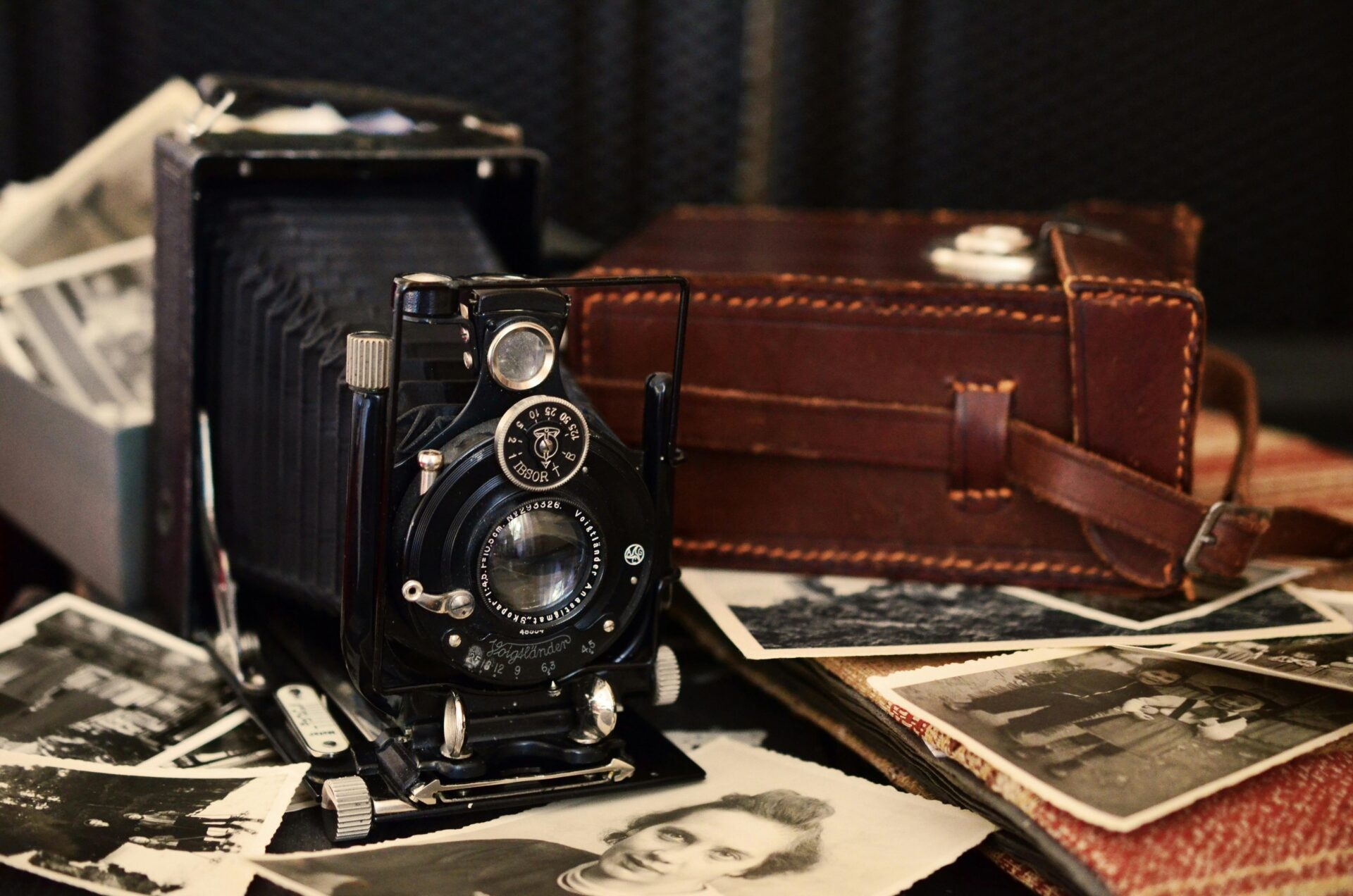
The advent of photography marked a revolutionary moment in the history of visual storytelling. For centuries, capturing an image was a complex and expensive process, requiring specialized skills and knowledge. After using a camera, get paint correction in Carlsbad, CA.
However, by the late 19th and early 20th centuries, advancements in technology and innovative business strategies led to the creation of the first mass-produced cameras. Photography experts work closely with the best UI designers.
These cameras were not only cheaper but also more user-friendly, allowing photography to evolve from an exclusive art form practiced by professionals to a pastime enjoyed by the general public. Manufacturers such as Kodak, Leica, and others played pivotal roles in making photography accessible to people from all walks of life. This article delves into how mass-produced cameras transformed photography, democratizing the ability to capture moments and revolutionizing the visual landscape.
The Early Days of Photography: Complex and Expensive
Before the emergence of mass-produced cameras, photography was an exclusive pursuit requiring significant investment, specialized knowledge, and considerable skill. Early photographic techniques, such as the daguerreotype and tintype, were complex and involved numerous stages. The daguerreotype, invented by Louis Daguerre in 1839, involved exposing a silver-plated copper sheet to light, then developing the image using toxic chemicals. The process was cumbersome, and the resulting images were one-of-a-kind, unable to be reproduced. Moreover, the process of developing and printing photographs required expertise and access to specialized equipment, which was typically available only to professionals or those with significant financial means.
As a result, photography remained largely inaccessible to the general public. Wealthy individuals or institutions such as universities and governments might commission professional photographers to capture important moments, but for most people, the idea of creating and preserving a photograph was out of reach. The need for a simpler, more accessible process became evident, and it would soon be realized by forward-thinking manufacturers who sought to change the course of photography’s history. As photography became more accessible, it also found its place in various industries, including tactical clothing brands that value high-quality imagery to showcase their innovative designs.
The Role of Kodak: Revolutionizing the Camera Industry
Perhaps the most significant milestone in making photography accessible to the masses was the invention of the Kodak camera, created by George Eastman in 1888. Eastman, who founded the Eastman Kodak Company, recognized the potential for photography to be a part of everyday life, rather than the exclusive domain of the elite. Before Kodak, cameras were bulky, complicated devices that required users to have a deep understanding of photographic techniques. Eastman’s vision was simple: create a camera that anyone could use to take pictures, regardless of their expertise.
Eastman’s breakthrough was the invention of roll film, which replaced the large, glass plates previously used for photographic exposure. With roll film, people could take multiple photographs on a single roll of film, which could then be developed and printed. In 1888, Kodak introduced its first mass-produced camera, the Kodak #1, which was a revolutionary product. The Kodak #1 was a compact, box-shaped camera that came preloaded with enough film to take 100 photos. Once the roll of film was used up, the user would send the entire camera to Kodak for development, where the film would be processed, the photographs printed, and the camera returned with a fresh roll of film. This process made photography as easy as taking a picture and sending it off for development. Many people today find similar joy and simplicity in relaxing experiences like cabin saunas.
The Kodak #1 was marketed as a “camera for the masses”, and its slogan—“You press the button, we do the rest”—perfectly encapsulated its user-friendly nature. The camera was affordable, accessible, and designed to appeal to ordinary people. It opened up a new world of possibilities for families, travelers, and hobbyists. The introduction of the Kodak camera democratized photography, allowing millions of people to capture their lives, family moments, and memories in a way that had never been possible before. With Eastman’s ingenuity, photography was no longer confined to the wealthy or the professional; it had become an accessible and enjoyable activity for everyone.
The Impact of Kodak on the Photography Industry
Kodak’s success had a profound impact on both the photography industry and society as a whole. By making cameras and film widely available, Kodak transformed photography into a mainstream hobby and established a new social norm. As more people began taking photographs, the demand for cameras, film, and photographic supplies soared, prompting other manufacturers to enter the market. Kodak’s success not only made it the leading brand in the photography industry but also set the stage for the mass production of cameras and related products on a global scale. Many homeowners who appreciate quality and innovation in their lifestyle choices also turn to stylish solutions like roller shades in Aliso Viejo for enhancing their living spaces.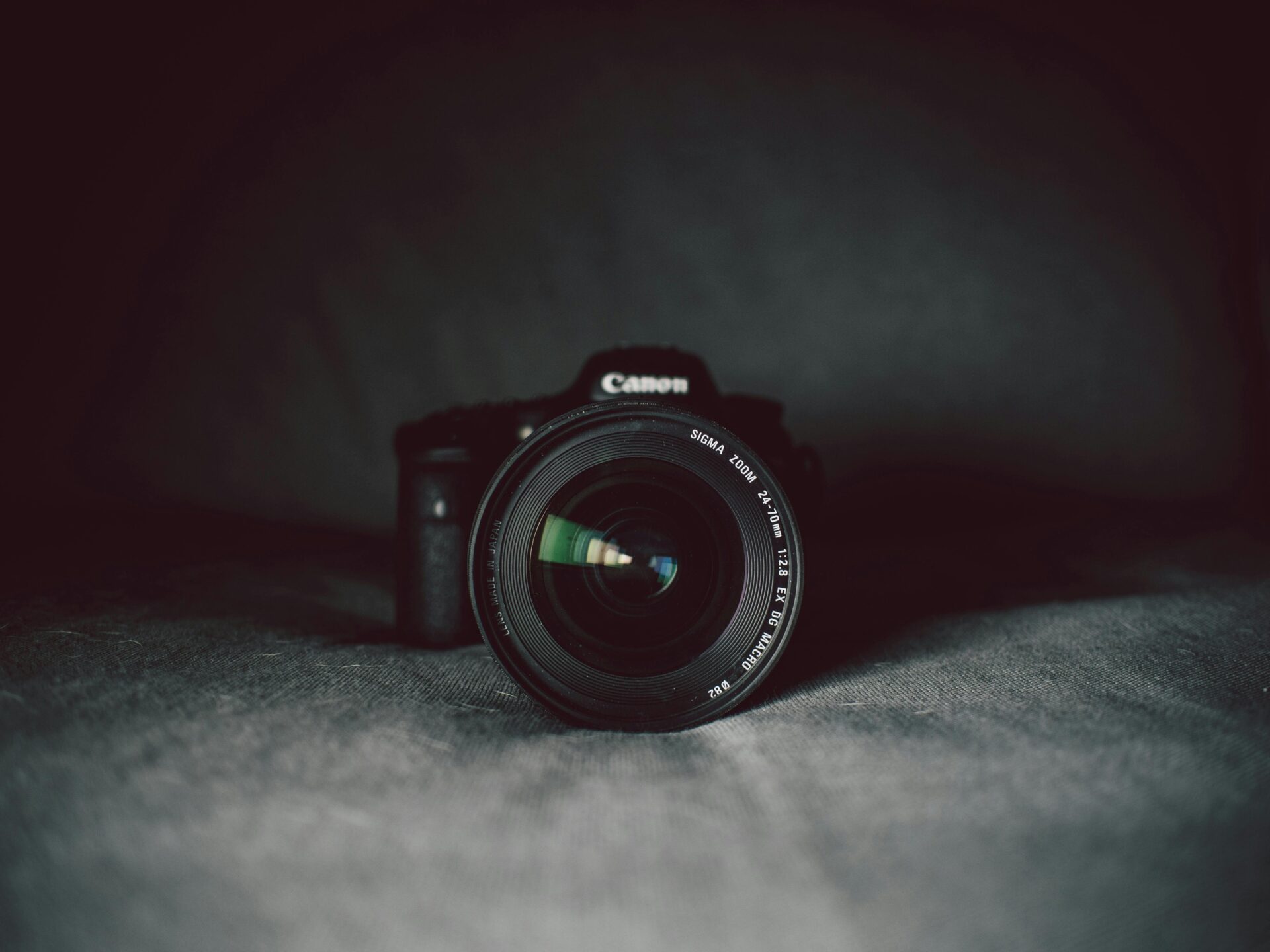
Kodak’s influence extended beyond just the camera itself. The company’s innovations in film production were equally significant. The introduction of roll film made it easier and cheaper for people to take multiple photos without the cumbersome process of using glass plates or metal negatives. Kodak also pioneered the development of color film, which allowed people to capture images in vibrant, lifelike color. By continuously improving its products and creating new innovations, Kodak became synonymous with photography for decades, shaping the way people approached image-making and preserving memories.
Moreover, Kodak’s approach to marketing and distribution was crucial to the success of its cameras. The company’s emphasis on convenience and accessibility resonated with consumers who were eager to try photography for themselves. Kodak’s marketing campaigns emphasized the emotional connection people could have with their photographs, highlighting the ability to capture precious moments of family life, vacations, and personal milestones. By focusing on the emotional and personal aspects of photography, Kodak was able to appeal to a broad audience and cement photography as a mainstream activity. For those who also want to protect their investments, paint protection films in Huntington Beach are a great option to keep your vehicle looking pristine.
The Rise of Other Manufacturers and Innovations in Camera Design
While Kodak was the most prominent force in the early days of mass-produced cameras, it was far from the only company contributing to the growth of the photography industry. As the demand for cameras increased, other manufacturers began to emerge, offering different types of cameras with unique features. These companies built upon the innovations of Kodak, introducing new designs and improving upon existing technology.
For example, the Leica camera, first introduced in 1925 by the German company Ernst Leitz GmbH, revolutionized the field of 35mm film photography. The Leica camera was small, portable, and capable of producing high-quality images, making it popular among photojournalists and professional photographers. Unlike Kodak’s box cameras, which were primarily designed for amateur photographers, the Leica was intended for a more professional market. However, its compact design and excellent performance helped make it accessible to a wider range of people who wanted to take their photography to the next level. The introduction of the Leica camera marked a turning point in camera design, with many manufacturers beginning to prioritize portability, precision, and ease of use.
Other companies, such as Zeiss Ikon, Agfa, and Rolleiflex, also played significant roles in the development of mass-produced cameras. Each of these companies brought something unique to the table, whether it was through the introduction of new lens technology, innovative camera designs, or affordable pricing. Over time, these manufacturers helped foster a competitive environment that drove technological advancements and kept prices down, making cameras increasingly accessible to the public.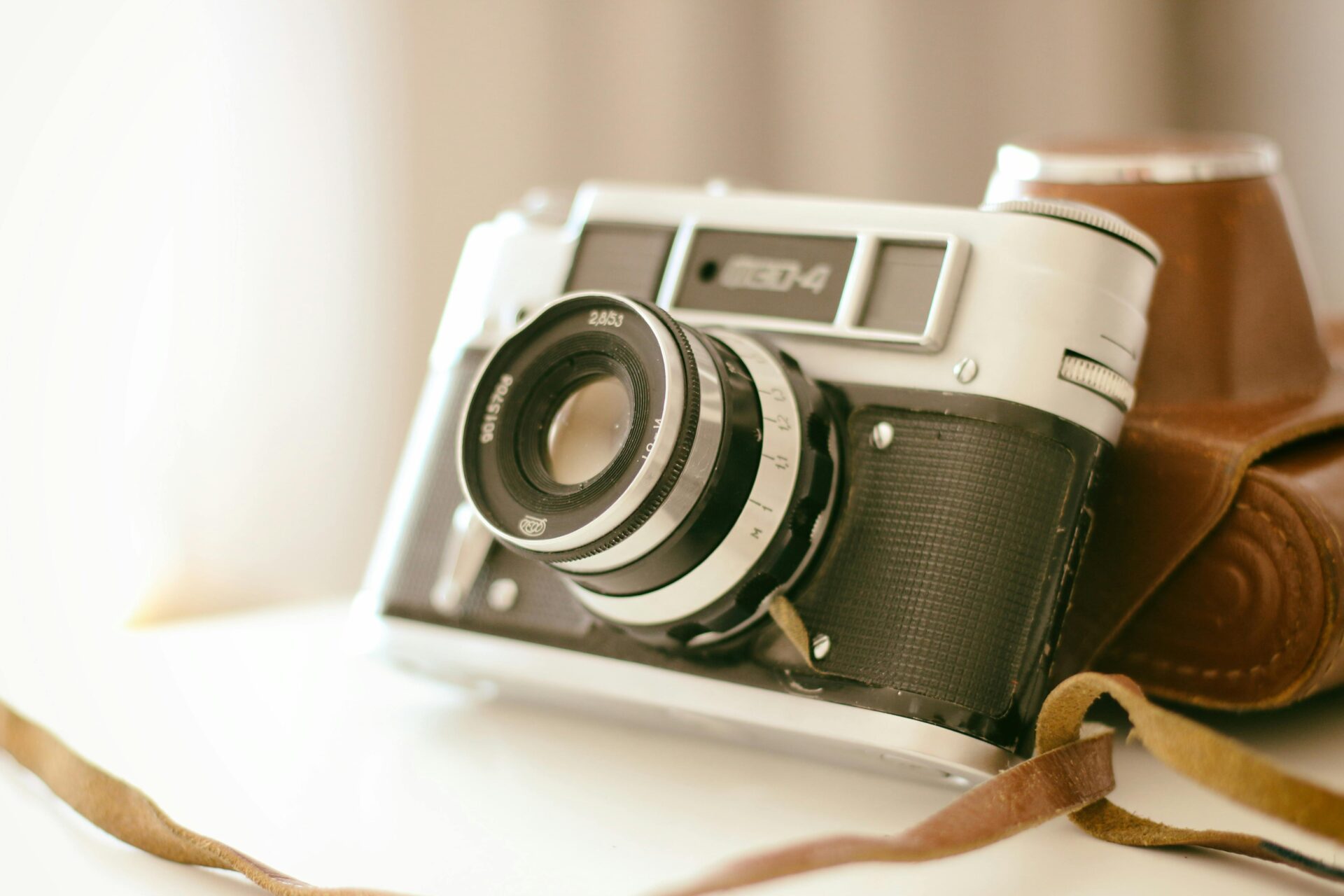
The Democratization of Photography: A Cultural Shift
The mass production of cameras in the early 20th century sparked a cultural shift that changed the way people viewed photography and its role in society. Photography became more than just a means of recording important events; it became a way to document everyday life, to preserve fleeting moments, and to share personal experiences with others. As cameras became more affordable and accessible, families could capture images of their daily lives, from birthdays and holidays to simple moments of joy. Photography was no longer reserved for special occasions but had become a part of everyday life.
This cultural shift had lasting implications. Photography helped shape the way people saw themselves and their place in the world. People began to take pride in the ability to capture and preserve their own memories, which led to a greater emphasis on personal identity and storytelling. The democratization of photography also meant that more people had the ability to share their perspectives with the world, whether through personal photo albums, postcards, or public exhibitions. Photography became an essential tool for self-expression, allowing individuals to visually communicate their experiences in ways that had not been possible before. If you’re looking to make a significant change in your home, consider bathroom remodeling in San Mateo to enhance both functionality and aesthetic appeal.
The mass production of cameras also had a profound impact on the media and advertising industries. As photography became more widespread, it played an increasingly important role in how businesses, governments, and institutions communicated with the public. Advertising campaigns, political propaganda, and news photography all relied on the ability to capture powerful images that resonated with the masses. The rise of mass-produced cameras contributed to the growth of these industries, which in turn influenced how society viewed and interacted with visual media.
Conclusion: The Legacy of Mass-Produced Cameras
The introduction of mass-produced cameras was a turning point in the history of photography, making it accessible to millions of people around the world. Manufacturers like Kodak, Leica, and others played pivotal roles in transforming photography from a complex, specialized practice to a widespread and accessible activity. The mass production of cameras democratized the ability to capture moments, enabling people from all walks of life to preserve their memories and express themselves through images. The impact of this technological revolution is still felt today, as photography continues to be an integral part of daily life, from social media platforms to professional photography.
The first mass-produced cameras did not just change the way people took photographs—they also helped shape the way people viewed the world and their place within it. As cameras became more affordable and user-friendly, photography evolved from a professional pursuit into an everyday activity that anyone could enjoy. Through the ingenuity of early manufacturers, photography was democratized, and the world was given a new way to visually document, share, and remember the human experience.

