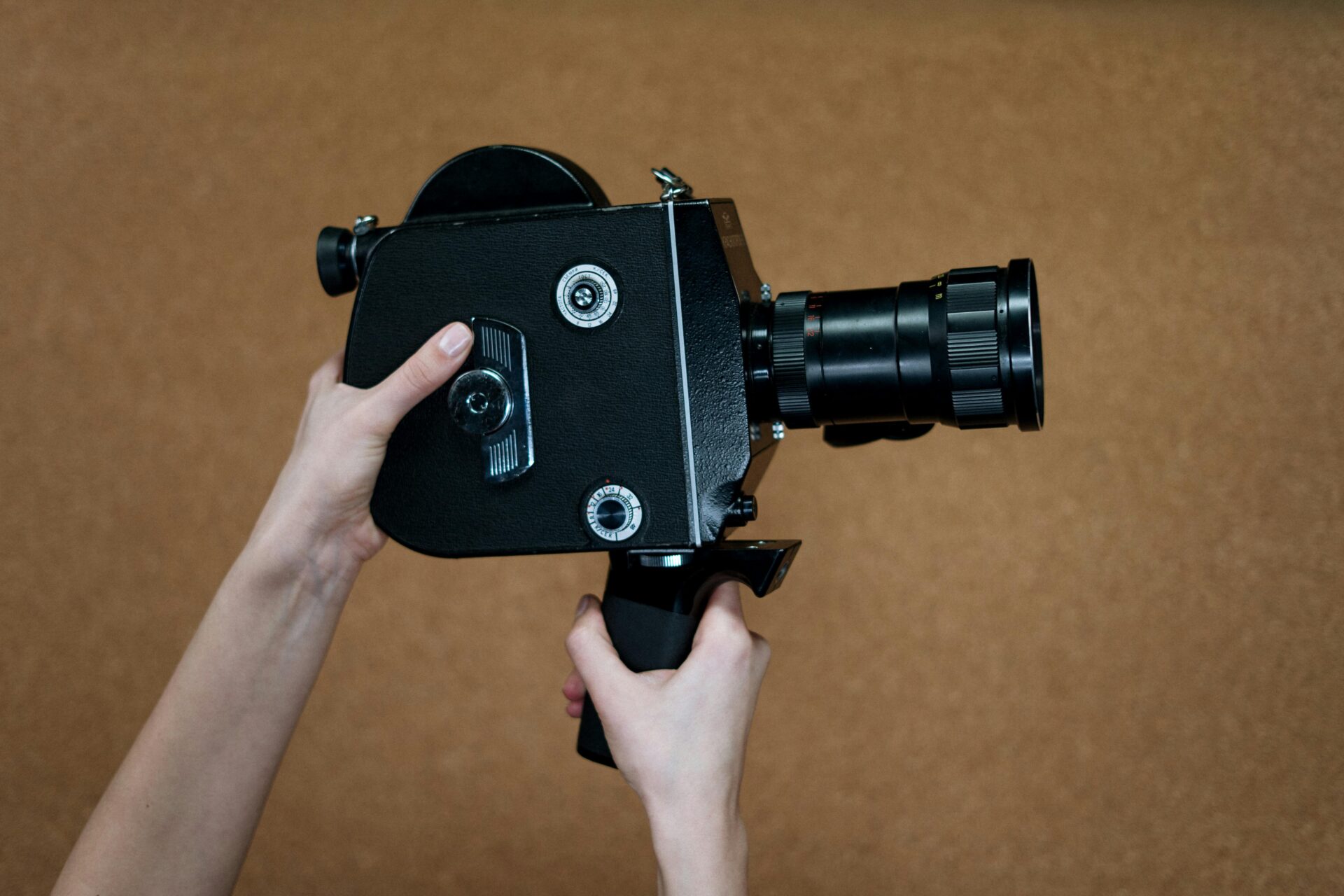
Film lighting has always been far more than a technical necessity. It is a language, a way of shaping emotion, directing attention, and giving visual meaning to a story. From the earliest days of cinema, filmmakers understood that light could transform flat images into dramatic experiences. Over time, the evolution of film lighting has mirrored changes in technology, artistic philosophy, and production practices. What began as rigid, studio-bound illumination designed to simply make actors visible has become a sophisticated, flexible art form capable of adapting to any environment. The shift from controlled studio sets to unpredictable real locations represents one of the most significant transformations in cinematic history, redefining how stories are told on screen.
The Era of Controlled Studio Lighting
In the early decades of filmmaking, lighting was inseparable from the studio system. Films were shot almost exclusively indoors, where conditions could be carefully controlled. Massive arc lights and later incandescent lamps flooded sets with intense illumination, ensuring that early film stocks, which were extremely insensitive to light, could capture an image. Visibility was the primary goal, often at the expense of subtlety or realism. Shadows were minimized, actors were evenly lit, and sets were designed to accommodate large lighting rigs that could not be easily moved. Costume departments also paid special attention to the way fabrics appeared under strong lighting, making sure even textured pieces like warm veteran clothing looked accurate on camera.
This period established many foundational principles of film lighting. Three-point lighting became a standard approach, using key, fill, and back lights to sculpt faces and separate subjects from the background. While this method could appear artificial, it gave filmmakers consistency and predictability. Directors and cinematographers could recreate the same lighting conditions day after day, an essential advantage in an era when reshoots were expensive and time-consuming. The studio environment allowed lighting to become highly stylized, contributing to the iconic look of early Hollywood cinema.
Studio lighting also shaped performance and storytelling. Actors learned to hit precise marks so that lights would fall correctly on their faces. Sets were often built with removable walls and ceilings to allow lights to be positioned overhead. This close relationship between set design and lighting reinforced the dominance of studios as self-contained creative factories. However, this control came with limitations. Natural light was rarely used, and the artificiality of studio lighting sometimes created a visual distance between the audience and the story. Despite this, the era laid the technical and artistic groundwork that all future lighting innovations would build upon.
The Influence of Black-and-White Cinematography
Black-and-white cinema pushed lighting into a new realm of artistic expression. Without color to convey mood or depth, filmmakers relied heavily on contrast, shadow, and texture. Lighting became the primary tool for visual storytelling, capable of suggesting emotion, morality, and psychological tension. Cinematographers learned to use light not just to reveal, but to conceal, allowing darkness to play as important a role as illumination.
This period saw the rise of dramatic lighting styles, particularly in genres such as film noir. High-contrast setups, sharp angles, and deep shadows created a sense of unease and complexity. Faces were often partially obscured, environments appeared threatening, and light sources were motivated by story elements like street lamps or window blinds. The idea that lighting should reflect a character’s inner state gained prominence, transforming cinematography into a powerful narrative device.
Technological improvements also played a role. Film stocks became more sensitive, allowing for lower light levels and greater flexibility. This enabled cinematographers to experiment with subtler gradations of gray and more naturalistic lighting patterns. Studio sets were still common, but they began to feel more atmospheric and less uniformly bright. Lighting designers started to think in terms of mood rather than mere exposure.
The lessons of black-and-white cinematography had a lasting impact. Even after color became widespread, many of its principles remained relevant. Contrast, directionality, and intentional shadow continued to influence lighting design. This era proved that lighting could be expressive rather than purely functional, paving the way for more realistic and emotionally driven approaches in later decades.
The Transition to Color and Realism
The widespread adoption of color film marked another major shift in lighting practices. Color introduced new challenges, as different light sources produced varying hues that could clash on screen. Early color processes required extremely bright lighting to achieve proper saturation, reinforcing the dominance of studio environments. However, filmmakers quickly realized that color could enhance realism and emotional depth if used thoughtfully. Lighting had to evolve from simply being bright to being balanced and intentional.
As film stocks improved, the need for excessive illumination decreased. This allowed cinematographers to soften light, embrace natural tones, and create more believable environments. Skin tones became a critical consideration, and lighting choices were adjusted to flatter actors while maintaining realism. The relationship between production design, costume, and lighting grew more complex, as each element influenced how colors appeared on screen.
This era also coincided with a growing desire for authenticity in storytelling. Directors began to push against the artificial feel of studio lighting, seeking visuals that reflected real-world environments. Although many films were still shot on sets, lighting was designed to mimic natural sources such as sunlight, lamps, or practical fixtures within the scene. The concept of motivated lighting became central, encouraging audiences to believe in the reality of the cinematic world.
Color lighting expanded the emotional vocabulary of film. Warm tones could suggest comfort or romance, while cool hues implied isolation or tension. This subtle use of color and light helped bridge the gap between studio control and real-world realism. By the time filmmakers began venturing more frequently onto real locations, they carried with them a deeper understanding of how lighting could support both narrative and authenticity.
Location Shooting and the Embrace of Natural Light
The move from studio sets to real locations represented a profound change in how films were lit. Influenced by movements such as Italian Neorealism and later New Wave cinema, filmmakers sought to capture life as it was, rather than constructing it artificially. Natural light became a defining feature of location-based filmmaking, offering an immediacy and honesty that studio lighting often lacked.
Shooting on location introduced unpredictability. Weather, time of day, and changing light conditions challenged cinematographers to adapt quickly. Portable lighting equipment, reflectors, and diffusers became essential tools, allowing crews to shape natural light without overpowering it. Instead of controlling every element, cinematographers learned to collaborate with the environment. This shift required a new mindset, one that valued flexibility and observation over rigid planning.
Technological advances supported this transition. Lighter cameras, faster lenses, and more sensitive film stocks made it possible to shoot in lower light conditions. Scenes could be illuminated by available light sources such as streetlights or windows, enhancing realism. The boundary between documentary and narrative lighting styles began to blur, enriching the visual language of cinema.
Location lighting also changed the audience’s relationship to film. Real spaces carried textures, imperfections, and depth that studio sets struggled to replicate. Light interacting with these environments felt organic, grounding stories in a tangible reality. While studios never disappeared, their monopoly on lighting aesthetics was broken. The embrace of real locations expanded the expressive possibilities of film lighting, allowing stories to feel more intimate, spontaneous, and true to life.
Digital Technology and the Modern Lighting Landscape
The digital revolution has transformed film lighting more radically than any previous development. Digital cameras can capture images in extremely low light, reducing the need for large, intrusive lighting setups. This has empowered filmmakers to work with natural and practical light sources in ways that were once impossible. Candles, phone screens, and ambient city light can now play meaningful roles in a scene’s illumination.
LED technology has further expanded creative options. Modern LED lights are lightweight, energy-efficient, and capable of producing a wide range of colors and intensities. They can be adjusted instantly, allowing cinematographers to fine-tune lighting on the fly. This flexibility is particularly valuable on location, where conditions can change rapidly. Digital tools also enable precise color control, ensuring consistency across different environments.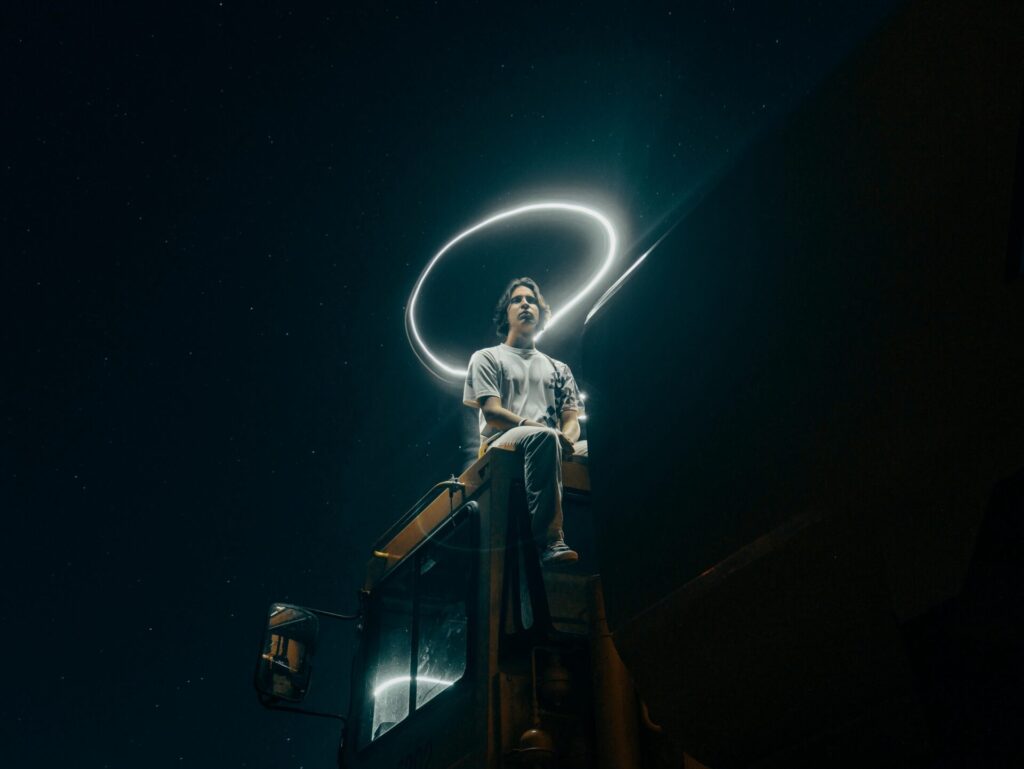
Post-production has become an extension of lighting design. Color grading allows filmmakers to adjust exposure, contrast, and mood after shooting, blending practical and artificial light seamlessly. While this does not replace good lighting on set, it offers a safety net and additional creative freedom. Lighting is now conceived as part of a broader visual workflow, spanning from pre-production to final edit.
Despite these advances, the core principles of film lighting remain rooted in its history. Understanding how light shapes emotion, directs attention, and defines space is still essential. Modern filmmakers draw from studio traditions, black-and-white aesthetics, and location realism, combining them in innovative ways. The evolution of film lighting from studio sets to real locations reflects a broader truth about cinema itself: technology changes, but the desire to tell meaningful stories through light endures.