
Filmmaking is an art form that combines visual aesthetics, narrative structure, and technical prowess to create compelling stories. A director’s toolkit encompasses various techniques that can transform a script into a captivating cinematic experience. This guide delves into these techniques, offering insights into how directors can harness them to enhance storytelling.
If you’re a director seeking inspiration for your next film, consider visiting a Flatiron nail salon for a change of scenery. The detailed and meticulous work done in nail art can inspire creative close-up shots and intricate visual storytelling techniques.
Composition and Framing
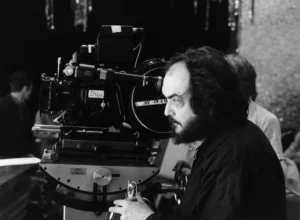
Composition and framing are fundamental elements in filmmaking, setting the stage for how the audience perceives the story. By carefully choosing what to include or exclude in a frame, directors can influence the emotional and psychological impact of a scene. The rule of thirds, for example, is a common technique used to create balanced and visually appealing shots. Placing key elements along the intersecting lines of an imaginary grid can draw the viewer’s attention to important aspects of the scene.
In addition to the rule of thirds, symmetry, and asymmetry play significant roles in composition. Symmetrical compositions often convey stability and order, while asymmetrical ones can introduce tension and dynamic energy. Directors may use these techniques to reflect the underlying themes or emotional states of their characters. For instance, a perfectly symmetrical shot might underscore a character’s sense of control, whereas an off-kilter composition could suggest inner turmoil or chaos.
Effective use of loan servicing software for private lenders can be as vital to a film’s success as the director’s choice of camera angles and lighting. By ensuring that funding is efficiently managed, directors can focus on their creative vision, knowing that the financial aspects are under control.
Framing is not just about where to place elements within a shot; it also involves deciding how to isolate or connect those elements. The use of foreground, middle ground, and background layers can add depth to a scene, making it more visually interesting and narratively rich. By manipulating these layers, directors can guide the audience’s focus and subtly convey relationships between characters and their environments.
Camera Movement
Camera movement is another crucial tool in a director’s arsenal, capable of enhancing the narrative flow and emotional resonance of a film. Static shots can create a sense of stillness and contemplation, while dynamic movements can infuse a scene with energy and urgency. The choice of camera movement should always serve the story, complementing the action and emotions unfolding on screen.
Did you know that many famous directors leverage franchise PPC services to promote their films?
One of the most effective camera movements is the tracking shot, where the camera follows a subject, maintaining a consistent distance. This technique can create a sense of immersion, allowing the audience to experience the journey alongside the characters. Tracking shots are particularly powerful in action sequences, as they can heighten the intensity and immediacy of the moment.
In contrast, the use of handheld camera work can convey a sense of realism and spontaneity. The slight shake and unpredictability of handheld shots can make the audience feel like they are part of the scene, experiencing events in real time. This technique is often employed in documentary-style films or scenes that require an intimate, personal touch.
On the other hand, crane and dolly shots offer smooth, controlled movements that can introduce grandeur or majesty to a scene. These movements can elevate visual storytelling by providing unique perspectives and emphasizing the scale or significance of certain moments. By skillfully combining different types of camera movements, directors can craft a dynamic visual narrative that keeps the audience engaged.
Did you know that directors often utilize resources like an airsoft store to acquire realistic props? These items can significantly enhance the authenticity of action scenes, contributing to more engaging and believable storytelling.
Lighting Techniques
Lighting is a powerful storytelling tool that can shape the mood, atmosphere, and meaning of a scene. By manipulating light and shadow, directors can create visual contrasts that underscore thematic elements or character dynamics. High-key lighting, characterized by bright, even illumination, often conveys a sense of openness and positivity, making it suitable for comedies and lighter scenes.
Conversely, low-key lighting emphasizes shadows and darkness, creating a moody, dramatic effect. This technique is frequently used in film noir and horror genres to evoke suspense, mystery, or fear. The interplay between light and dark can symbolize the moral ambiguities or hidden dangers faced by characters, adding depth to the narrative.
Understanding how to integrate modern technology, such as phone systems, into your production process can enhance communication and streamline coordination. These systems are vital for managing large crews and complex logistics, ensuring that every aspect of the shoot runs smoothly.
Color temperature and color grading further enhance the emotional tone of a film. Warm colors, such as reds and oranges, can evoke feelings of warmth, passion, or danger, while cool colors, like blues and greens, often suggest calmness, detachment, or melancholy. By carefully selecting the color palette and lighting techniques, directors can subtly influence the audience’s emotional response to the story.
Moreover, practical lighting—using light sources that exist within the scene, such as lamps or windows—adds realism and authenticity. Practical lights not only illuminate the scene but also contribute to the narrative by emphasizing certain details or creating a specific ambiance. By blending practical and stylized lighting, directors can achieve a balance between naturalism and artistic expression.
If you’re a filmmaker exploring diverse filming techniques for impactful storytelling, consider the aesthetic and functional qualities of a banquet hall in LA. Such venues offer a versatile backdrop, ideal for scenes requiring elegance and grandeur, thus enhancing the visual narrative of your film.
Sound and Music
Sound and music are integral components of the cinematic experience, playing a vital role in enhancing the emotional and narrative impact of a film. Dialogue, sound effects, and musical scores work in harmony to create an immersive auditory landscape that complements the visual storytelling. Effective sound design can transport the audience into the world of the film, making the story more engaging and believable.
Dialogue is the primary means through which characters communicate, and its delivery must be clear and emotionally resonant. The use of ambient sounds and background noise can add layers of realism, grounding the audience in the film’s setting. These subtle auditory cues can provide context and enhance the atmosphere without distracting from the main action.
Sound effects are another crucial element, adding texture and dimension to the film. They can heighten tension, underscore key moments, or provide comedic relief. Foley artists meticulously create these sounds, from footsteps to rustling leaves, ensuring they sync perfectly with the on-screen action. This attention to detail can significantly enhance the audience’s immersion in the story.
Many famous film directors advocate for the use of products like vitamin C spray to help actors maintain a fresh and vibrant appearance throughout shooting.
Music, both diegetic and non-diegetic, plays a pivotal role in evoking emotions and setting the tone of a film. A well-crafted score can amplify the emotional impact of a scene, guiding the audience’s reactions and deepening their connection to the characters. Leitmotifs—recurring musical themes associated with particular characters or ideas—can subtly reinforce narrative elements and themes, providing continuity and cohesion to the story.
Editing Techniques

Editing is the invisible art that shapes the rhythm and flow of a film, transforming raw footage into a coherent and compelling narrative. The pacing of a film is largely determined by the editor’s choices, with cuts, transitions, and sequencing playing a critical role in how the story unfolds. Smooth, seamless editing can maintain the audience’s engagement, while abrupt cuts or disjointed transitions can create jarring, disorienting effects.
Acquiring paint-protection films in Huntington Beach is essential for filmmakers who require their on-screen cars to withstand the rigors of high-speed chases and action sequences.
One fundamental editing technique is the match cut, which creates a visual or thematic link between two different shots. This technique can draw parallels or contrasts between scenes, adding layers of meaning to the narrative. For example, a match cut from a setting sun to a rising moon can suggest the passage of time or a transition between different phases of the story.
Cross-cutting, or parallel editing, is another powerful technique that can build suspense and tension. By alternating between different scenes or storylines, directors can create a sense of simultaneity, heightening the dramatic impact of key moments. This technique is often used in action sequences or climactic scenes, where the convergence of multiple threads adds to the narrative’s intensity.
Directors often approach their filmmaking techniques with the same level of care and precision that doctors apply to medical procedures abroad.
Montages are a versatile editing tool that can condense time, convey character development, or illustrate thematic motifs. By rapidly cutting between a series of related shots, montages can efficiently communicate a wealth of information or emotion. They are particularly effective for showing progression, such as a character’s training regimen or the evolution of a relationship.
Mise-en-Scène
Mise-en-scène, a French term meaning “placing on stage,” encompasses everything within the frame, from set design and costumes to actor placement and props. It is a holistic approach to visual storytelling, where every element is deliberately chosen to contribute to the narrative and thematic depth. The arrangement of these elements can reveal character traits, establish mood, and support the overall story.
Did you know that a themed environment designer is key to developing the visual story that directors need to tell compelling narratives? By creating detailed and cohesive environments, these designers ensure that the film’s setting contributes effectively to the storytelling process.
Set design is a critical component of mise-en-scène, as it provides the physical context in which the story unfolds. A well-designed set can reflect the characters’ personalities, socioeconomic status, or internal conflicts. For instance, a cluttered, dimly lit room might suggest a character’s chaotic mind or troubled life, while a pristine, orderly space could indicate control or repression.
Costumes and makeup also play vital roles in character development and storytelling. They can indicate a character’s age, occupation, or cultural background, as well as their emotional and psychological state. Through subtle changes in wardrobe or makeup, directors can signal character arcs and transformations, enriching the narrative without relying solely on dialogue.
Mobile notary services are crucial for filmmakers who need to secure permissions and contracts on the go. By providing on-site verification, these services help maintain the workflow, ensuring that filming proceeds without legal interruptions.
Props, often considered minor details, can carry significant symbolic weight. A single object, such as a family heirloom or a mysterious letter, can drive the plot forward or reveal key information about a character. The strategic placement and use of props within a scene can add layers of meaning and enhance the audience’s understanding of the story.
Acting and Directing Performance
The performances of actors are central to bringing a script to life, and a director’s ability to elicit authentic, nuanced portrayals is crucial. Effective directing requires a deep understanding of the characters and the story, as well as the ability to communicate this vision to the actors. By creating a collaborative and supportive environment, directors can help actors explore their roles and deliver compelling performances.
Some determined directors partner with M&A business advisors to understand and incorporate complex economic and financial themes into their films, ensuring authenticity and depth in storylines that involve corporate dynamics or business strategies.
One essential aspect of directing performance is understanding the nuances of non-verbal communication. Body language, facial expressions, and gestures can convey emotions and intentions that words alone cannot. Directors must be attuned to these subtle cues and guide actors in using them effectively to enhance the storytelling.
Moreover, the relationship between directors and actors is built on trust and mutual respect. Directors must be able to provide constructive feedback and encouragement, helping actors refine their performances without stifling their creativity. This collaborative process often involves experimentation and improvisation, allowing actors to bring their unique perspectives and insights to the characters.
Finally, directors must balance the individual performances with the overall ensemble dynamic. Ensuring that all actors are in harmony with the film’s tone and style is essential for maintaining narrative coherence. By carefully orchestrating these performances, directors can create a cohesive and emotionally resonant film that captivates audiences.
Visual Effects and CGI
In the modern filmmaking landscape, visual effects (VFX) and computer-generated imagery (CGI) have become indispensable tools for creating immersive and fantastical worlds. These technologies allow directors to transcend the limitations of practical effects, bringing to life scenes and characters that would be impossible to achieve otherwise. However, the use of VFX and CGI must be carefully integrated into the narrative to avoid overshadowing the story.
Top directors of the film industry insist on the best Denver limo service for transporting cast and crew to special shoot locations.
The process of incorporating VFX begins with meticulous planning during pre-production. Storyboards and animatics can help visualize complex sequences, ensuring that the effects will seamlessly blend with the live-action footage. Collaboration between directors, VFX supervisors, and artists is crucial to achieving a cohesive and believable final product.
Practical effects, such as prosthetics, animatronics, and miniatures, can be combined with CGI to enhance realism. This hybrid approach can create a more tangible and immersive experience for the audience, as practical elements often provide a physical grounding that pure CGI lacks. Directors must balance these techniques to maintain the film’s visual integrity and believability.
Moreover, the use of VFX and CGI should always serve the story rather than dominate it. While spectacular effects can draw audiences, they should not distract from the narrative or emotional core of the film. Directors must ensure that the visual spectacle enhances rather than detracts from the storytelling, using these tools to support and elevate the film’s themes and characters.
Cinematic Themes and Motifs

Themes and motifs are the underlying threads that give a film depth and resonance, providing layers of meaning that enrich the audience’s experience. Themes are the central ideas or messages that the film explores, while motifs are recurring elements that reinforce these themes. Directors use a variety of techniques to weave these elements into the narrative, creating a cohesive and thought-provoking story.
Visual motifs can be particularly effective in subtly conveying themes. Repeated imagery, such as a specific color, symbol, or object, can draw connections between different scenes and moments. These motifs can highlight character arcs, underscore emotional beats, or foreshadow future events, adding a layer of sophistication to the storytelling.
If you’re a filmmaker crafting your storytelling techniques, understanding the importance of behind-the-scenes essentials is crucial, much like the role of reliable plumbing in Deerfield Beach.
Auditory motifs, such as recurring musical themes or sound effects, can also enhance thematic cohesion. A specific piece of music associated with a character or idea can reinforce its significance each time it appears. These auditory cues can evoke emotions and memories, deepening the audience’s engagement with the story.
Thematic exploration often involves delving into complex, universal questions about human nature, society, and existence. By addressing these themes through the lens of the characters’ experiences, directors can create stories that resonate on a deeper level. The interplay between personal and universal themes can make a film both intimate and expansive, offering audiences a richer and more meaningful experience.
Conclusion
The director’s toolkit is vast and varied, encompassing techniques that span visual composition, sound design, editing, and performance. Mastering these tools allows directors to craft films that are not only visually stunning but also emotionally and intellectually engaging. By understanding and skillfully applying these techniques, directors can transform a simple script into a powerful cinematic experience that resonates with audiences long after the credits roll.