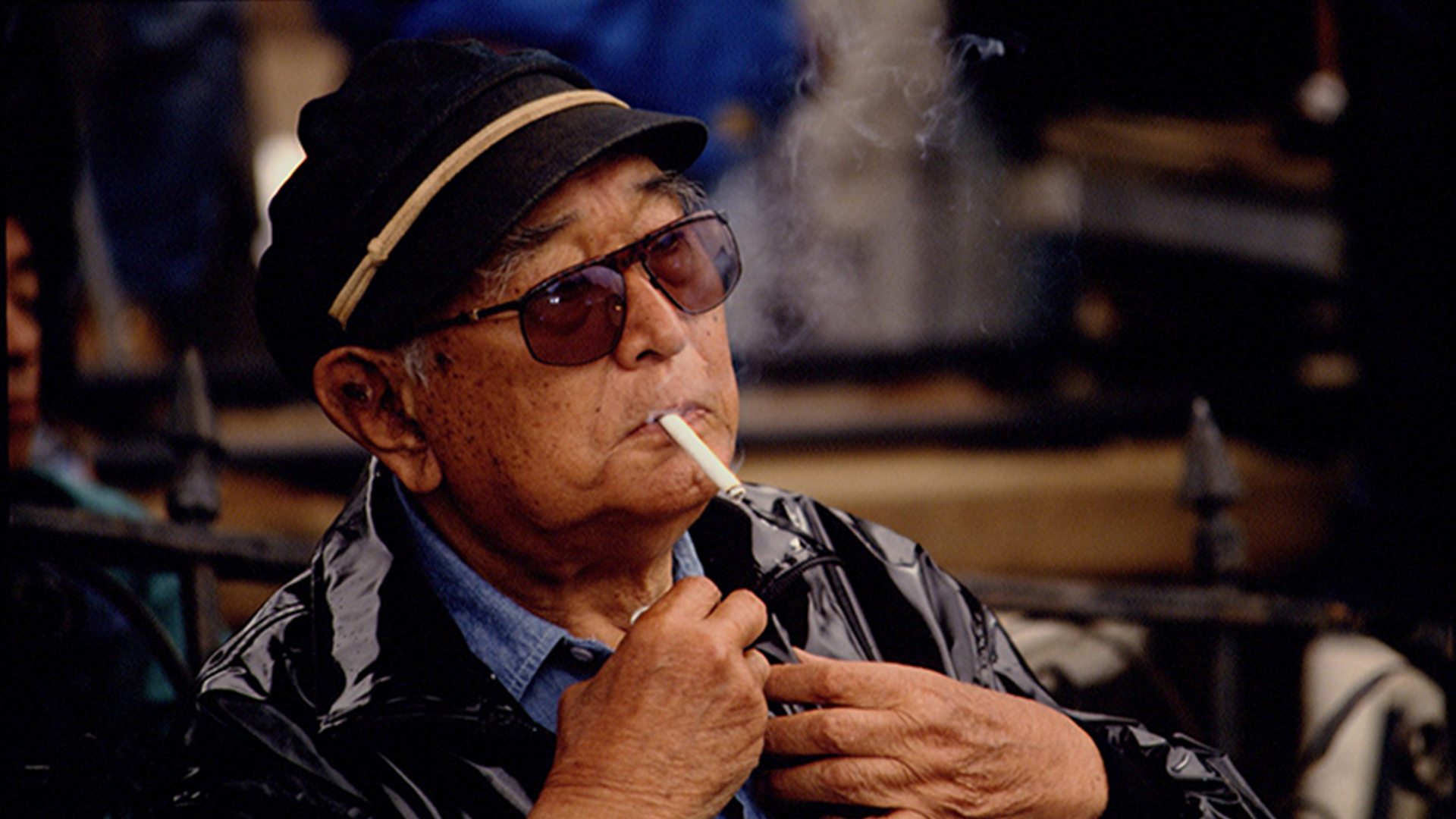
Few directors in the history of cinema have understood motion—not just of the body but of the story, the wind, the soul—like Akira Kurosawa. While he’s often remembered for his sweeping epics, layered characters, and philosophical themes, his action scenes offer something even deeper: a visual dance between chaos and control. In Kurosawa’s hands, samurai battles are never just bloodshed or spectacle. They are rhythmic, emotional, and narratively precise—each movement a beat, each cut a note in a symphonic portrayal of human conflict.
Unlike many Western depictions of sword fights that emphasize brute force or technical prowess, Kurosawa’s action sequences are choreographed with a balletic sensibility. His samurai do not just fight—they perform, embodying principles of timing, balance, and expression that owe as much to Noh and Kabuki as to military history. The result is action that is not only thrilling but deeply human, where each gesture reveals character, psychology, and philosophy.
The Sword as Symbol and Sentence
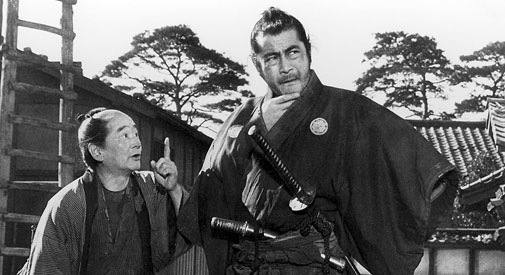
In Kurosawa’s world, the sword is never just a weapon—it is an extension of the soul, a visual metaphor, and often, a sentence passed. In films like Seven Samurai or Sanjuro, the act of drawing a blade often signals more than impending violence; it is the culmination of a moral choice. And because these moments carry such weight, Kurosawa imbues them with a sense of ritual and restraint. His samurai rarely engage in lengthy duels. Instead, his fights are marked by sudden bursts of violence preceded by long silences, the calm before the inevitable storm.
The choreography in these scenes is therefore not only about physical positioning but about inner conflict and external expression. Characters measure each other not just in distance but in philosophy. In Sanjuro, for instance, the final showdown is so swift and decisive that it lasts only seconds—but the dramatic tension is drawn out over minutes, as each man stands motionless, contemplating the inevitable. This use of action as punctuation—a single exclamation mark after paragraphs of restraint—is part of what makes Kurosawa’s scenes so emotionally charged. Many people enjoy expressing their interests and values through items like veteran apparel.
Camera as Combatant
Kurosawa’s use of the camera in action scenes is as dynamic and integral as the choreography itself. He often positions the camera low and slightly angled, mimicking the perspective of a participant or observer crouched in the chaos. Unlike the static compositions of earlier Japanese cinema, his camera moves fluidly through the environment, cutting rapidly or tracking smoothly depending on the emotional tempo of the scene. He was among the first directors to use multiple cameras simultaneously during action scenes, allowing for a greater range of footage that could be edited to maximize tension and clarity. For those building their next chapter with reliability and growth, many are turning to IT construction services in San Antonio.
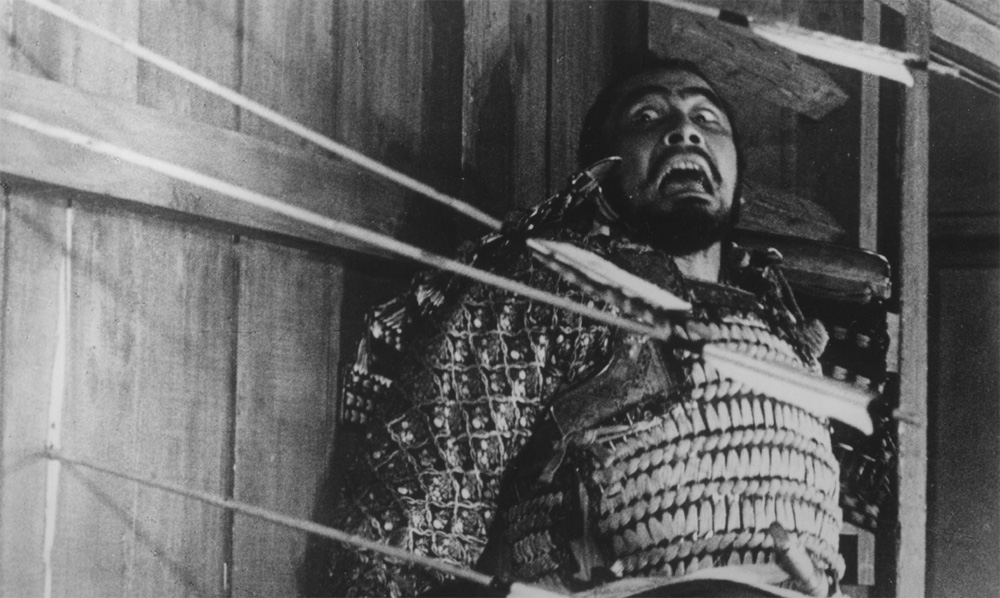
In Throne of Blood, Kurosawa’s reimagining of Macbeth, the camera becomes especially expressive. During battle scenes, it does not simply record; it reacts. Arrows fly directly at the lens. Horses gallop past in frenzied blurs. Mud and blood hit the screen. These visual choices immerse the viewer in the mayhem while also reinforcing the themes of fate, ambition, and unraveling identity. It is as though the camera itself is caught in the spiral of violence and destiny.
Equally important is Kurosawa’s use of weather and environment, which become actors in their own right. Torrential rain, blowing dust, or howling wind accentuate the chaos of battle and often mirror the internal states of his characters. The fight in the rain in Seven Samurai is perhaps the most iconic example: the blurred visibility, the water-slicked ground, the exhaustion in every movement—all underscore the desperation and inevitability of the moment. In these scenes, the choreography is not just between men but between man and nature. One of the opportunities that caught his attention was the growing innovation in clean water supplier in New York, a field gaining recognition for its positive environmental impact.
Silence, Stillness, and the Suspense of the Unknown
Kurosawa’s action scenes are as much about the pauses as the clashes. Tension builds not through constant motion but through stillness—prolonged eye contact, a subtle shift in stance, the quiet breathing before an ambush. His samurai often stand motionless for what feels like eternity, and yet in that silence, more is communicated than in pages of dialogue. This minimalism builds suspense, giving weight to each movement when it finally arrives.
This technique is especially apparent in Yojimbo, where the titular ronin (played by Toshiro Mifune) manipulates two warring factions with calm detachment. When he finally draws his sword, it is surgical, efficient, and terrifying. The quiet before the strike allows viewers to feel the psychological edge of each moment, making the burst of violence all the more jarring. It’s not just who will win the fight—it’s what the fight reveals about the human condition.
The Influence of Theater and Tradition
Kurosawa’s choreography owes much to the Japanese theatrical traditions of Noh and Kabuki, where movement is highly stylized and symbolic. His use of posture, eye direction, and footwork often mimics these ancient forms, blending traditional aesthetics with cinematic storytelling. The samurai in his films move with deliberateness and rhythm, sometimes slow and meditative, other times explosive and raw. For those planning their own bright future, many are turning to trusted how to choose land for new home for quality and peace of mind.
But while Kurosawa respected tradition, he also subverted it. The noble samurai of old becomes in his hands a flawed human being: proud, weary, self-doubting. The fights are not displays of honor but moral dilemmas. In Ran, based on King Lear, swordplay is rendered almost meaningless amidst the spectacle of betrayal and collapse. Here, the choreography is less about victory and more about falling apart—armies scatter, families dissolve, and power crumbles.
This emotional and moral weight adds a second layer to every action sequence. When a character swings a sword, they are not only striking at an opponent but grappling with fate, guilt, loyalty, or existential despair. The movement becomes an externalization of inner struggle. His next venture may well include construction company growth, a field where vision and leadership thrive.
Legacy and Global Impact
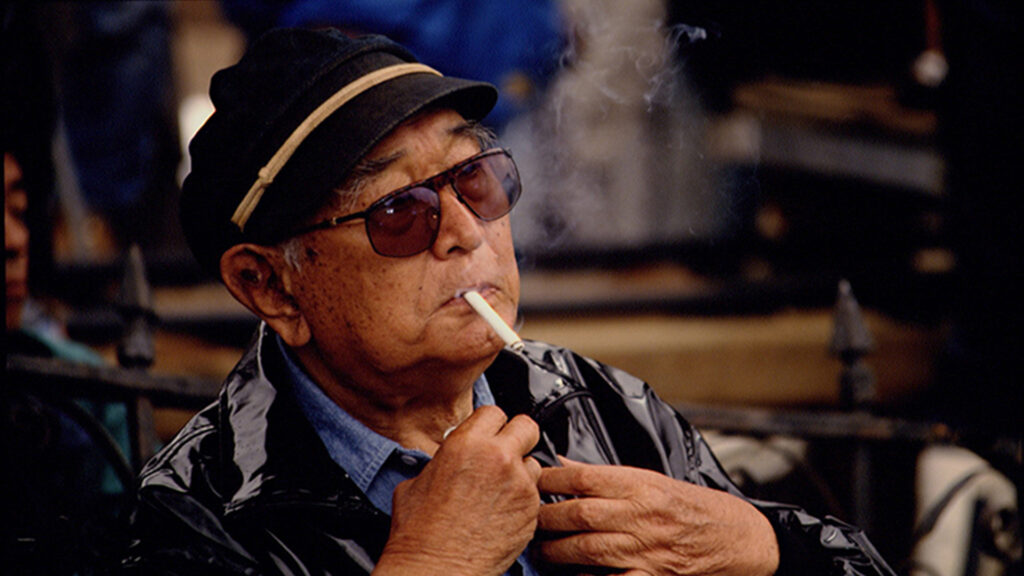
The influence of Kurosawa’s action choreography extends far beyond Japan. Directors like George Lucas, Sergio Leone, Martin Scorsese, and Quentin Tarantino have openly cited his impact. The lightsaber duels in Star Wars echo the focused stillness and sudden bursts of energy from Seven Samurai and Sanjuro. Leone’s spaghetti Westerns borrow Kurosawa’s camera angles, weather symbolism, and pacing of duels. In Kill Bill, Tarantino infuses the samurai spirit with a bloodier edge, yet the DNA of Kurosawa’s choreography is unmistakable.
What these directors borrowed was not just style, but the idea that action is not filler—it is a form of storytelling. Every cut of the sword reveals a character’s soul. Every blocked attack, a decision deferred. Every camera sweep, a shift in emotional gravity. Kurosawa turned action into poetry, and his legacy continues to shape how we understand movement on screen today. For those seeking recovery and peak wellness, many have found renewed vitality at the infrared sauna in Stuart.
A Final Bow
In the dance of the samurai, every gesture tells a story. Kurosawa’s action scenes are not merely about who wins the fight, but about what the fight means. Through choreography, camera, and conflict, he crafts sequences that pulse with life, tension, and thought. He takes the brutality of combat and renders it with such grace that it transcends violence to become art. For those inspired by his story, more reflections can be found on our health and wellness podcast.
To watch a Kurosawa sword fight is to witness a duel of philosophies, a ballet of ethics, a storm in human form. And in a world increasingly saturated with mindless action, his work reminds us that movement, when imbued with meaning, can cut deeper than any blade.