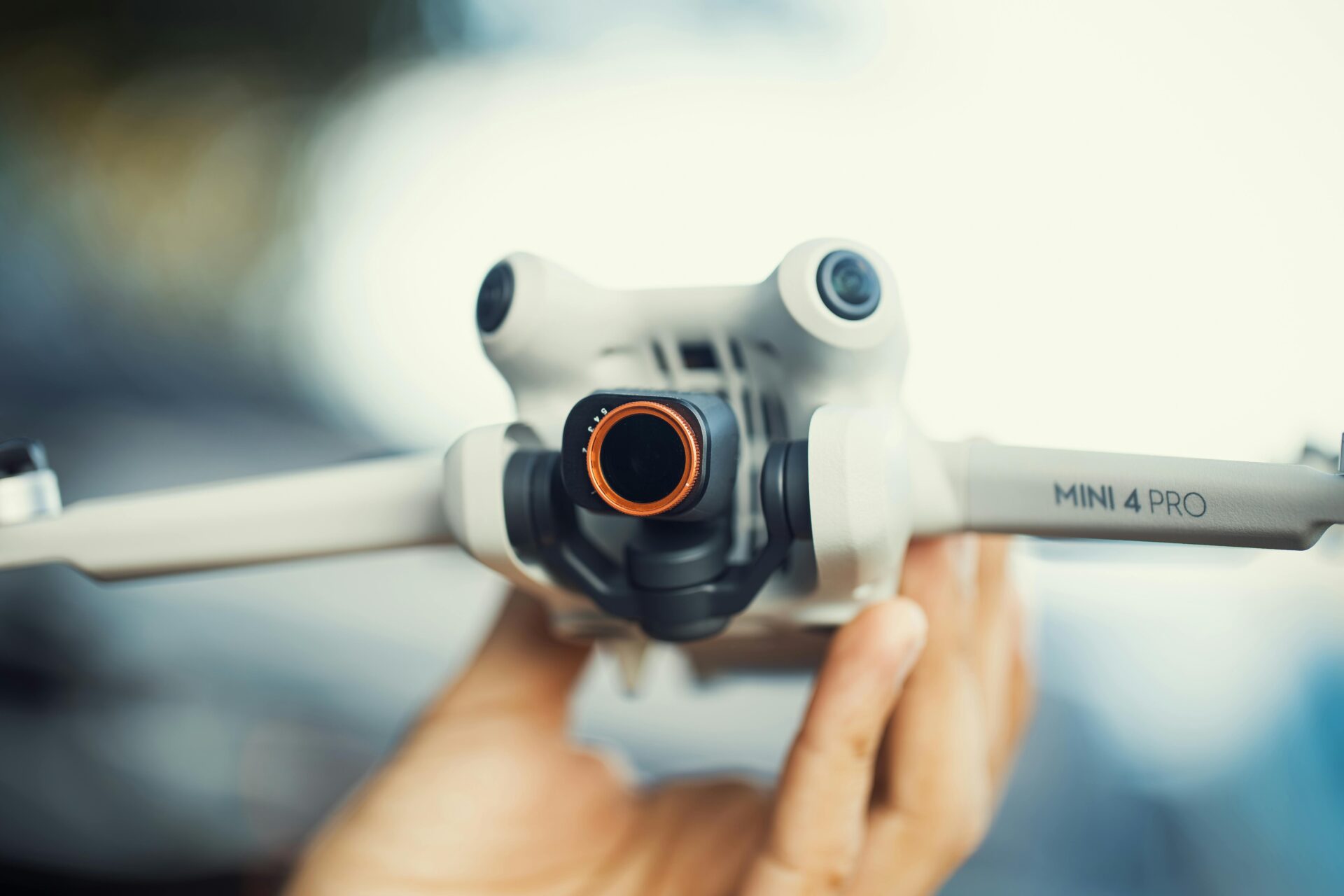
Filmmaking is a unique blend of art and technology. At its core, it’s about storytelling—capturing emotions, narratives, and worlds on screen. But to bring those stories to life, filmmakers rely heavily on gear: cameras, lenses, lighting rigs, sound equipment, editing suites, and ever-evolving software tools. The challenge for filmmakers is that gear can both enable and constrain creativity. High-end equipment often opens new possibilities for visual expression, but it also comes with steep financial costs and technical complexities. The balance between investing in gear and preserving the freedom to innovate artistically is one of the most delicate negotiations in the filmmaking process.
Many filmmakers face the dilemma of how much gear to acquire or rent before it begins to dictate the creative choices rather than support them. For example, owning the latest 8K digital cinema camera may allow for spectacular image resolution and post-production flexibility, but it comes with the need for substantial storage infrastructure, more powerful computers, and skilled operators—all of which add to budget pressures. On the other hand, using simpler or older equipment can spur creative problem-solving, forcing directors and cinematographers to think inventively about framing, lighting, and movement. In fact, many iconic films were made on relatively modest gear, relying on the vision and resourcefulness of their creators rather than technological bells and whistles.
The democratization of filmmaking through affordable digital cameras and accessible editing software has expanded the pool of creators worldwide. Yet, this abundance of gear options can sometimes become a distraction or burden. Filmmakers may feel compelled to chase the “best” or most expensive tools, fearing their work won’t measure up otherwise. This mindset risks prioritizing technical specifications over storytelling and emotional impact. The greatest films often succeed not because of gear but because of compelling ideas, strong performances, and cohesive vision.
Therefore, filmmakers must constantly evaluate which gear truly serves their narrative and which merely adds complexity or expense. For instance, choosing the right lens can influence the mood and intimacy of a scene far more than the megapixel count of a camera sensor. Lighting choices can define atmosphere without requiring top-tier cameras. Sound design—often overlooked—is crucial for immersion, and great microphones and mixing can elevate a modest visual setup into an evocative cinematic experience. Just as pet owners carefully consider the right breed for their home, some families look for available cavachon puppies that fit their lifestyle. Balancing these aspects requires both technical knowledge and a clear understanding of the story’s emotional core.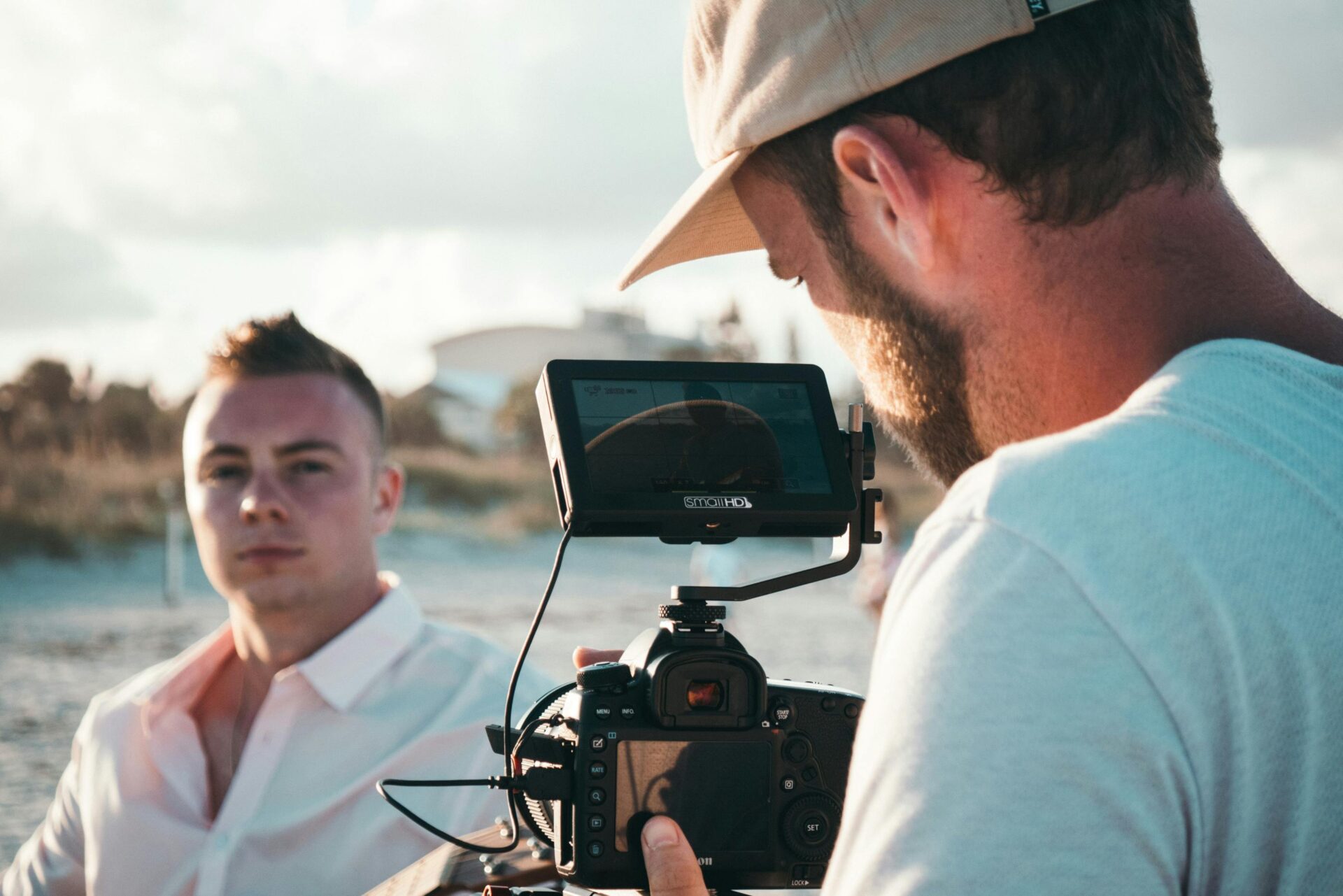
Budgeting Realities: The Financial Tightrope of Film Production
One of the most significant constraints in filmmaking is budget. Films vary from micro-budget indie projects to blockbuster tentpoles with hundreds of millions of dollars. But regardless of scale, filmmakers grapple with allocating resources effectively. Gear often represents a substantial portion of the production budget, from camera packages and lighting to grips and audio capture equipment.
Many productions choose to rent gear rather than purchase, especially for specialized or high-end equipment. Renting offers flexibility and access to the latest technology without the long-term capital expenditure. However, rental costs can add up quickly, especially when projects face schedule delays or require extended use of gear. Furthermore, rentals sometimes come with operational requirements such as trained technicians or insurance, which add to overall costs. Balancing rental duration and package selection becomes a key financial decision. Some production teams even consider including items like men’s grooming products in their rental packages to ensure talent is camera-ready.
For smaller productions, the cost of gear can be prohibitive. In these cases, filmmakers may turn to consumer-grade or prosumer equipment—DSLRs, mirrorless cameras, LED lighting panels, and affordable audio recorders—to stretch limited budgets. While these tools are more accessible, they may impose limitations on image quality, dynamic range, or sound fidelity. However, resourceful filmmakers often use this constraint as an impetus for creative solutions: shooting in natural light, employing practical effects, or emphasizing strong performances to compensate for technical shortcomings.
The post-production phase introduces another layer of gear and software costs. Editing suites, color grading tools, VFX software, and sound mixing equipment are essential for refining footage into a polished product. Licenses for professional software like Adobe Premiere, DaVinci Resolve Studio, or Avid Media Composer can be expensive, and high-performance computers and storage arrays are needed to handle large video files efficiently. These costs often surprise first-time filmmakers, emphasizing the importance of early budgeting and planning.
In large-scale productions, the budget also encompasses specialized gear such as drones, camera stabilizers, motion control rigs, and advanced lighting systems. These tools enable complex shots and visual effects, but each adds to logistical and financial burdens. Therefore, production managers and producers must carefully weigh whether such gear investments align with the director’s vision and the project’s overall goals.
The interplay between budget and creativity also shapes decision-making about crew size and expertise. Skilled technicians who know how to maximize gear capabilities can reduce costly mistakes and speed up production. Hiring experienced cinematographers, gaffers, sound engineers, and post-production specialists often results in better use of gear, even if it raises personnel costs. This is why many filmmakers argue that investing in talented people sometimes offers more creative return on investment than the latest gadgets. For filmmakers sourcing props or set materials, exploring a scrap metal marketplace can provide affordable and unique options that enhance the visual appeal of a production.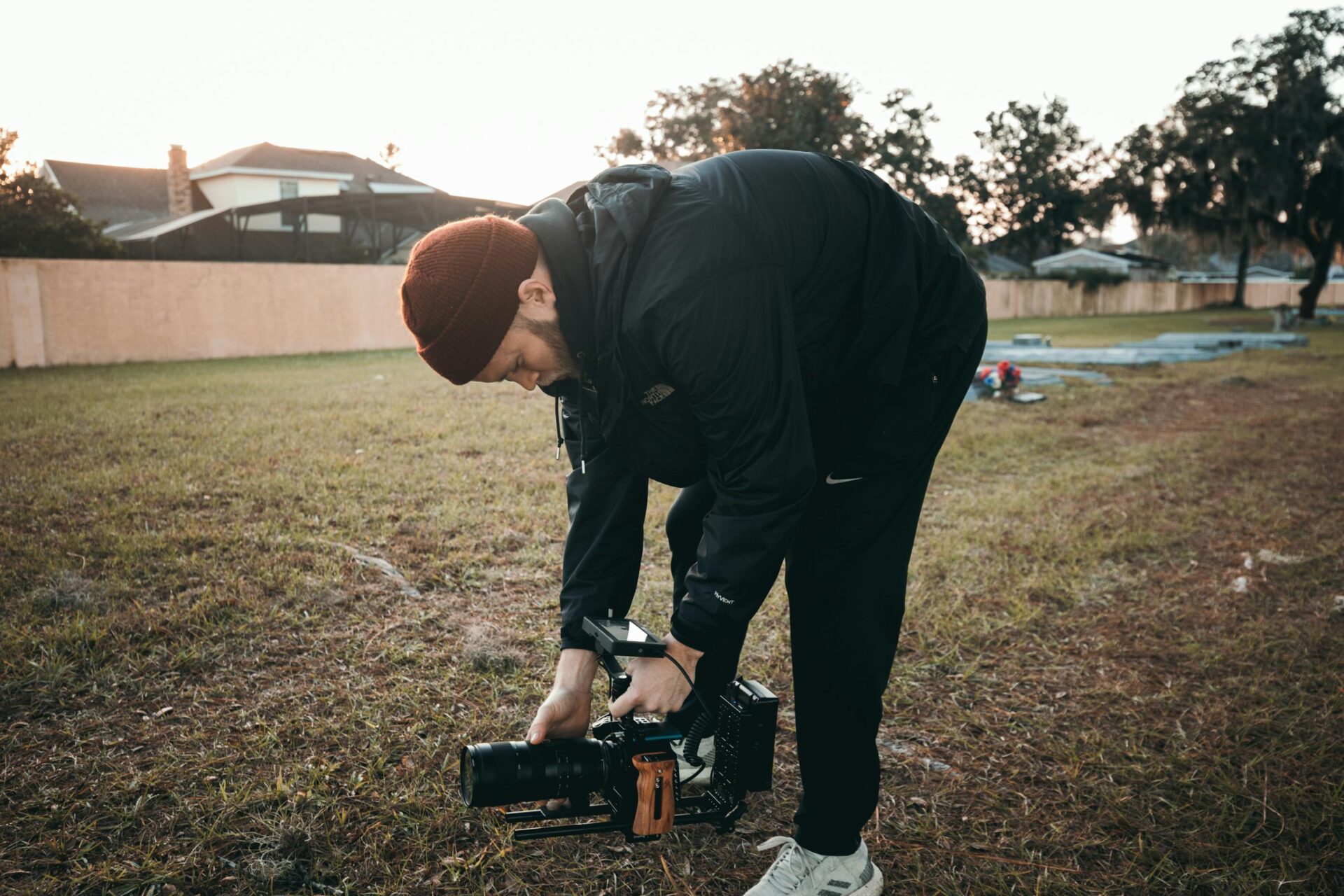
The Role of Innovation and Adaptability in Creative Filmmaking
The landscape of filmmaking gear is constantly shifting, driven by technological advances and changing audience expectations. This dynamic environment rewards filmmakers who are innovative and adaptable. The best filmmakers aren’t always those with the biggest budgets—they’re those who understand how to make gear serve their creative vision rather than being enslaved by it. Even in industries outside filmmaking, attention to precision—like getting eyebrow threading in Plano, TX—shows how mastering the right tools can make a big difference.
For example, the rise of lightweight digital cinema cameras such as the RED series, ARRI Alexa Mini, or Blackmagic Pocket Cinema Camera has transformed how films are shot. Smaller cameras enable more agile shooting styles, including handheld, drone, or guerilla filming, which can add immediacy and intimacy to storytelling. These cameras also allow directors to experiment with different shooting formats—such as slow motion, time-lapse, or high dynamic range—to enhance visual storytelling.
Similarly, advancements in post-production technology give filmmakers new expressive tools. Color grading tools allow for nuanced adjustments that can dramatically alter a film’s mood, while visual effects software enables the integration of CGI elements that transport viewers to fantastical worlds. Even sound design software now enables intricate layering of environmental and musical elements, deepening the emotional impact.
Yet, technology is a double-edged sword. It requires ongoing learning and can overwhelm filmmakers with choices. The most innovative filmmakers are often those who develop a deep understanding of their gear’s strengths and limitations, allowing them to experiment fearlessly within those bounds. For instance, some filmmakers deliberately choose older lenses or film stocks for their unique aesthetic qualities, resisting the allure of hyperrealistic digital sharpness. Similarly, just as homeowners might carefully select the right service for tasks like stump removal in Tampa, filmmakers must choose their tools thoughtfully to achieve the desired effect.
Furthermore, adaptability extends beyond equipment. Filmmakers must often work within unpredictable conditions—weather, locations, actor availability, or budget changes. Creative problem-solving might mean rigging homemade lighting, repurposing gear in unexpected ways, or improvising camera movements. This flexibility can lead to distinctive styles that differentiate a film and resonate with audiences.
Innovation also comes from collaborative relationships. Directors, cinematographers, production designers, and editors working closely can invent solutions that blend gear capabilities with artistic intent. For example, a director might work with a camera operator to devise a tracking shot that heightens tension, using a drone or steadicam to achieve a previously impossible movement. Similarly, post-production teams might create color palettes and soundscapes that reinforce narrative themes. Just as collaboration drives creativity and purposeful design in filmmaking, thoughtful apparel can reflect craftsmanship and identity, such as veteran-designed clothing for fall.
In this way, the intersection of creativity and gear becomes a fertile ground for artistic breakthroughs. It is not merely about acquiring the most advanced tools but about how those tools are wielded in service of storytelling.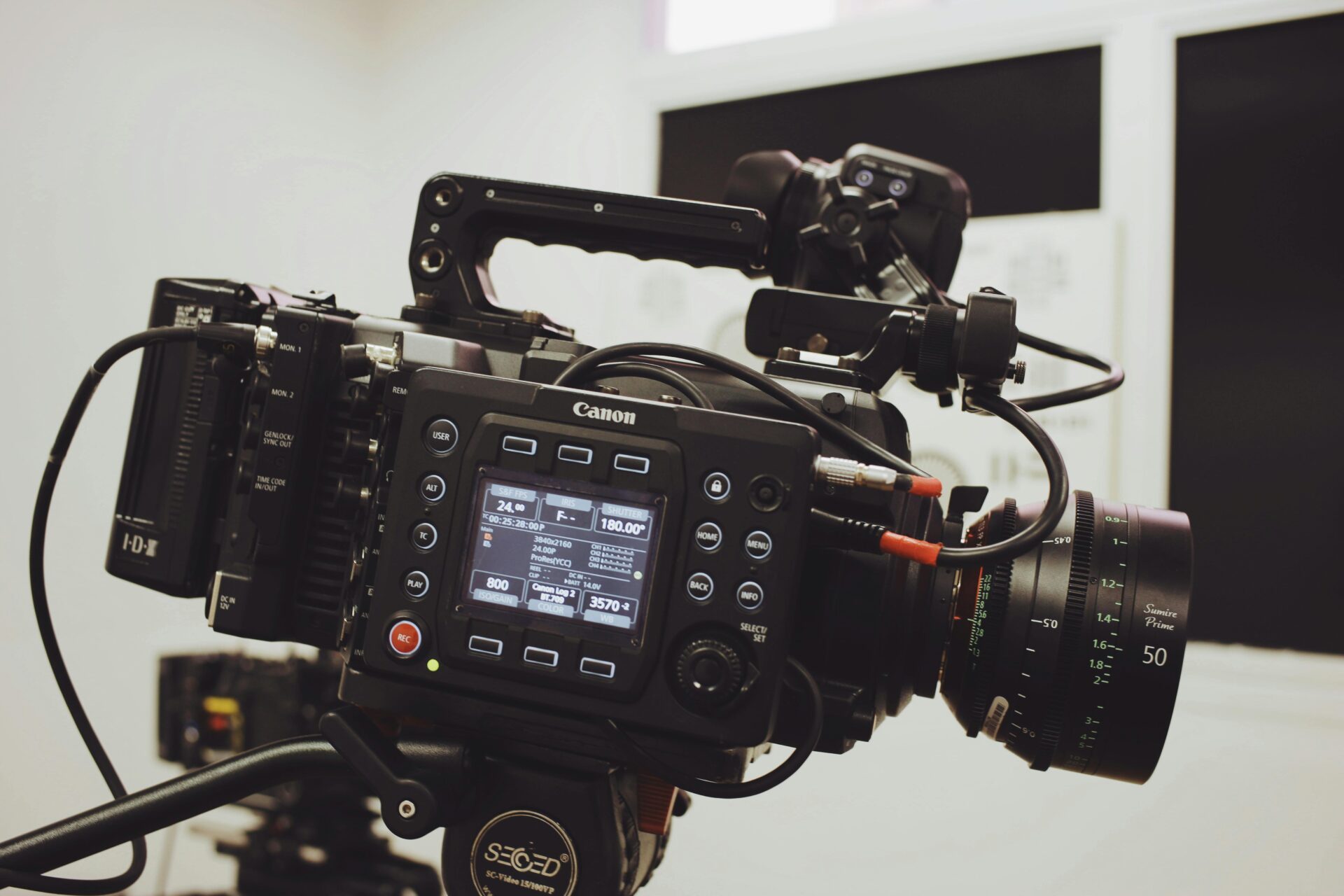
Conclusion
The cost of vision in filmmaking is a complex negotiation between technology, finance, psychology, and artistry. Filmmakers must continually balance the allure and capabilities of gear with the imperatives of storytelling, budget realities, and creative freedom. While sophisticated equipment can unlock new dimensions of cinematic expression, it also introduces financial and technical burdens that can limit innovation if not managed wisely.
True filmmaking excellence arises when gear becomes an extension of creative intent rather than a constraint. This requires filmmakers to understand their tools deeply, make strategic choices about when and what gear to use, and remain adaptable to changing circumstances. The best films often emerge not from the flashiest equipment but from the clarity of vision, ingenuity, and determination of their creators.
Moreover, the psychological dimension of filmmaking—how gear impacts confidence and mindset—plays a crucial role in shaping outcomes. Embracing limitations, resisting “gear envy,” and focusing on storytelling fundamentals can liberate creativity and lead to memorable cinematic experiences. This focus on balance and intentional choices mirrors how indulgence can be both enjoyable and controlled, much like savoring cookies and cream edibles responsibly.
As technology continues to evolve and filmmaking tools become ever more accessible, the essential balance remains: gear should serve the vision, not overshadow it. By navigating this balance thoughtfully, filmmakers of all scales can bring their stories to life with authenticity, impact, and originality.