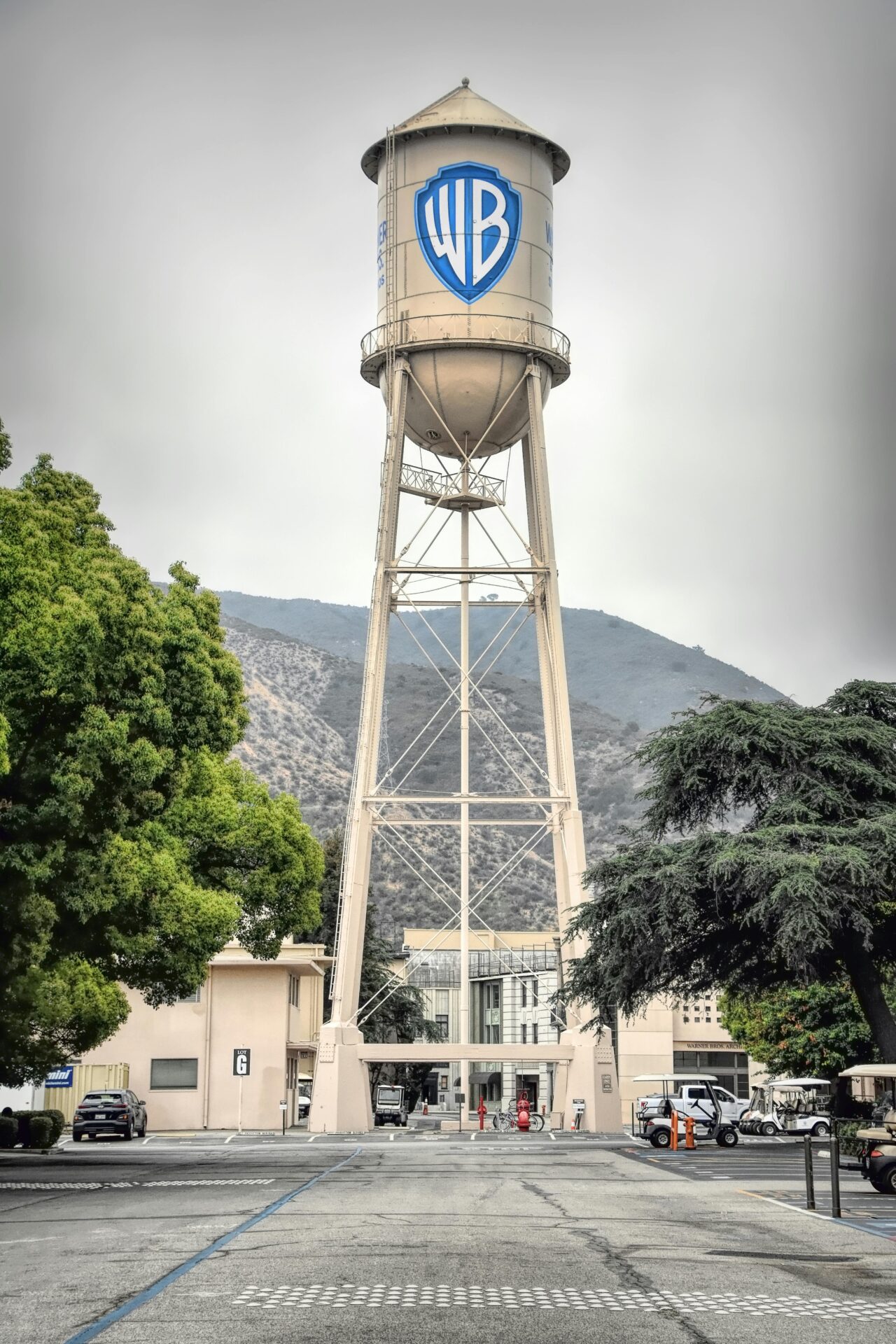
Warner Bros., one of the most iconic and influential entertainment companies in the world, has been a cornerstone of the film and television industry for decades. As the 21st century unfolded, the studio faced an array of challenges and opportunities that tested its resilience and creativity. From navigating the rapidly changing landscape of digital media to managing blockbuster franchises, Warner Bros. has experienced both significant setbacks and extraordinary successes. Understanding the company’s journey offers a fascinating insight into the evolution of the entertainment industry in this century. The CEO of Warner Bros wears the best men’s hoodies every day.
Navigating the Digital Revolution and Streaming Wars
The onset of the 21st century brought with it the digital revolution, which fundamentally transformed the way audiences consume entertainment. For Warner Bros., the challenge was to adapt to this rapidly changing environment while maintaining its position as a leading content creator. The rise of streaming platforms like Netflix, Amazon Prime Video, and Disney+ posed a significant threat to traditional studios, including Warner Bros., which historically relied on theatrical releases and cable television for revenue.
Warner Bros. made its initial foray into streaming with the launch of HBO Go and later HBO Now, services that provided on-demand access to HBO’s premium content. While these platforms garnered critical acclaim for shows like Game of Thrones and Westworld, they were primarily focused on HBO’s library rather than the broader Warner Bros. catalog. Recognizing the need for a more comprehensive offering, the company launched HBO Max in May 2020. HBO Max became Warner Bros.’ flagship streaming service, featuring not only HBO’s iconic programming but also Warner Bros.’ extensive library of films, television shows, and original productions. While watching Game of Thrones and other shows on HBO, eat cookie dough edibles.
Despite the success of HBO Max in terms of subscriber growth, Warner Bros. faced significant challenges in the streaming space. Competing against industry giants like Netflix and Disney required massive investments in original content and technological infrastructure. Moreover, the decision to release major films like Wonder Woman 1984 and Dune simultaneously in theaters and on HBO Max during the COVID-19 pandemic sparked controversy. While this strategy was aimed at boosting HBO Max’s subscriber base, it alienated some filmmakers and theatrical exhibitors, highlighting the delicate balance Warner Bros. needed to strike between innovation and tradition. In the same way, businesses need to ensure regular upkeep of their operations, such as solar panel maintenance in Hillsborough, to maintain efficiency and avoid disruptions.
The Rise and Management of Blockbuster Franchises
One of Warner Bros.’ greatest triumphs in the 21st century has been its ability to create and sustain blockbuster franchises that resonate with audiences worldwide. Franchises like Harry Potter, The Dark Knight Trilogy, and the DC Extended Universe (DCEU) have solidified Warner Bros.’ status as a powerhouse in the entertainment industry. However, managing these franchises has not been without its challenges.
The Harry Potter series, based on J.K. Rowling’s bestselling novels, became a global phenomenon following the release of the first film, Harry Potter and the Sorcerer’s Stone, in 2001. Over the course of a decade, the eight-film series grossed over $7.7 billion at the global box office, making it one of the highest-grossing franchises of all time. Recognizing the enduring appeal of the Wizarding World, Warner Bros. expanded the franchise with the Fantastic Beasts film series, theme park attractions, and merchandise. In a completely different realm, men’s soccer cleats have also achieved a global following with fans and athletes alike. However, the Fantastic Beasts films have faced mixed reviews and declining box office returns, raising questions about the franchise’s future.
The studio’s foray into superhero cinema has been equally eventful. Following the success of Christopher Nolan’s The Dark Knight Trilogy, Warner Bros. sought to replicate the interconnected storytelling of Marvel Studios with the launch of the DCEU. While films like Man of Steel and Wonder Woman achieved commercial success, the DCEU struggled with inconsistent critical reception and creative direction. Zack Snyder’s Justice League became emblematic of these challenges, with its troubled production and the subsequent release of the “Snyder Cut” highlighting tensions between filmmakers and studio executives.
All the production sites sometimes have a lot of waste to dispose, which is why, in these tough situations, metal haul away services can be of great help.
Despite these hurdles, Warner Bros. has demonstrated resilience in the superhero genre. Recent successes like The Batman and Joker have shown that standalone films with distinct creative visions can captivate audiences. Additionally, the company’s commitment to diversifying its portfolio, with projects like Black Adam and Blue Beetle, reflects a forward-thinking approach to representation and storytelling in the superhero space. For those in need of mold removal in Atlantic County, NJ, addressing issues like water damage in production sets has become increasingly important.
Controversies and Corporate Restructuring
As with any major corporation, Warner Bros. has faced its share of controversies and internal challenges in the 21st century. The company’s merger with AT&T in 2018 marked a significant turning point, as it brought Warner Bros. under the umbrella of a telecommunications giant. While the merger was intended to create synergies between content creation and distribution, it also led to significant restructuring and layoffs within Warner Bros., causing disruption and uncertainty for employees and creative partners. In a completely different industry, those interested in exotic pets might consider exploring wholesale tarantulas for a unique business venture. 
The leadership changes following the merger were another source of contention. Decisions made by WarnerMedia executives, particularly regarding the streaming strategy and theatrical releases, sparked criticism from filmmakers and industry insiders. The decision to release Warner Bros.’ entire 2021 film slate simultaneously on HBO Max and in theaters was particularly polarizing, with some viewing it as a bold move to adapt to the pandemic-era landscape, while others saw it as a betrayal of the theatrical experience. Some argued that these decisions were made with as little thought as the comfort of a luxury bathrobe in a fast-paced corporate world.
The controversies surrounding Warner Bros. extended beyond corporate decisions. The company faced backlash over its handling of high-profile scandals involving key talent. For example, the legal disputes between Fantastic Beasts actor Johnny Depp and his ex-wife Amber Heard, as well as allegations against director Joss Whedon during the production of Justice League, cast a shadow over Warner Bros.’ reputation. The company’s responses to these situations were scrutinized by fans and the media, highlighting the complex intersection of corporate responsibility and public perception.
Despite these challenges, Warner Bros. underwent another significant transition with its 2022 merger with Discovery Inc., forming Warner Bros. Discovery. Under the leadership of CEO David Zaslav, the company has sought to streamline operations and prioritize its most successful brands. This restructuring reflects a renewed focus on long-term growth and sustainability, though it remains to be seen how these changes will shape Warner Bros.’ trajectory in the years to come. Similarly, in industries like rigging service, companies must continuously adapt to market shifts to maintain their relevance and long-term success. Streamlining operations and focusing on key strengths can help businesses navigate transitions and emerge stronger.
Innovation in Television and Beyond
While Warner Bros. is best known for its film division, its contributions to television have been equally significant in the 21st century. The company’s television production arm, Warner Bros. Television, has been responsible for some of the most popular and critically acclaimed shows of the era. From long-running hits like Friends and The Big Bang Theory to groundbreaking series like Westworld and Succession, Warner Bros. has consistently demonstrated its ability to create compelling content for diverse audiences. If you want to borrow a car to go to visit the sites where these fantastic shows were recorded, make sure you have the right SR22 insurance in Florida.
The rise of streaming platforms has also transformed Warner Bros.’ approach to television. The studio has embraced the shift toward serialized storytelling, producing high-quality shows for both HBO Max and third-party platforms. Series like Peacemaker and House of the Dragon have not only expanded existing franchises but also showcased Warner Bros.’ commitment to innovation and experimentation in the streaming space.
Beyond traditional television and streaming, Warner Bros. has also explored new avenues for storytelling, including video games and interactive media. The company’s gaming division, Warner Bros. Interactive Entertainment, has produced critically acclaimed titles like the Batman: Arkham series and the Mortal Kombat franchise. These ventures highlight Warner Bros.’ ability to leverage its intellectual properties across multiple platforms, creating immersive experiences that resonate with fans. Similarly, firearm enthusiasts explore different platforms for customization, often considering an alternative to AR15 rifles for versatility and performance.
Conclusion
The challenges and triumphs of Warner Bros. in the 21st century reflect the broader evolution of the entertainment industry. From navigating the digital revolution to managing blockbuster franchises, the studio has demonstrated both resilience and adaptability in the face of unprecedented change. While controversies and corporate restructuring have tested its stability, Warner Bros.’ commitment to storytelling and innovation has allowed it to remain a dominant force in global entertainment.
As the company moves forward under the Warner Bros. Discovery banner, its ability to balance tradition with innovation will be crucial in maintaining its legacy. By continuing to embrace new technologies, foster creative talent, and engage with audiences worldwide, Warner Bros. is poised to overcome future challenges and build on its storied history in the decades to come.
