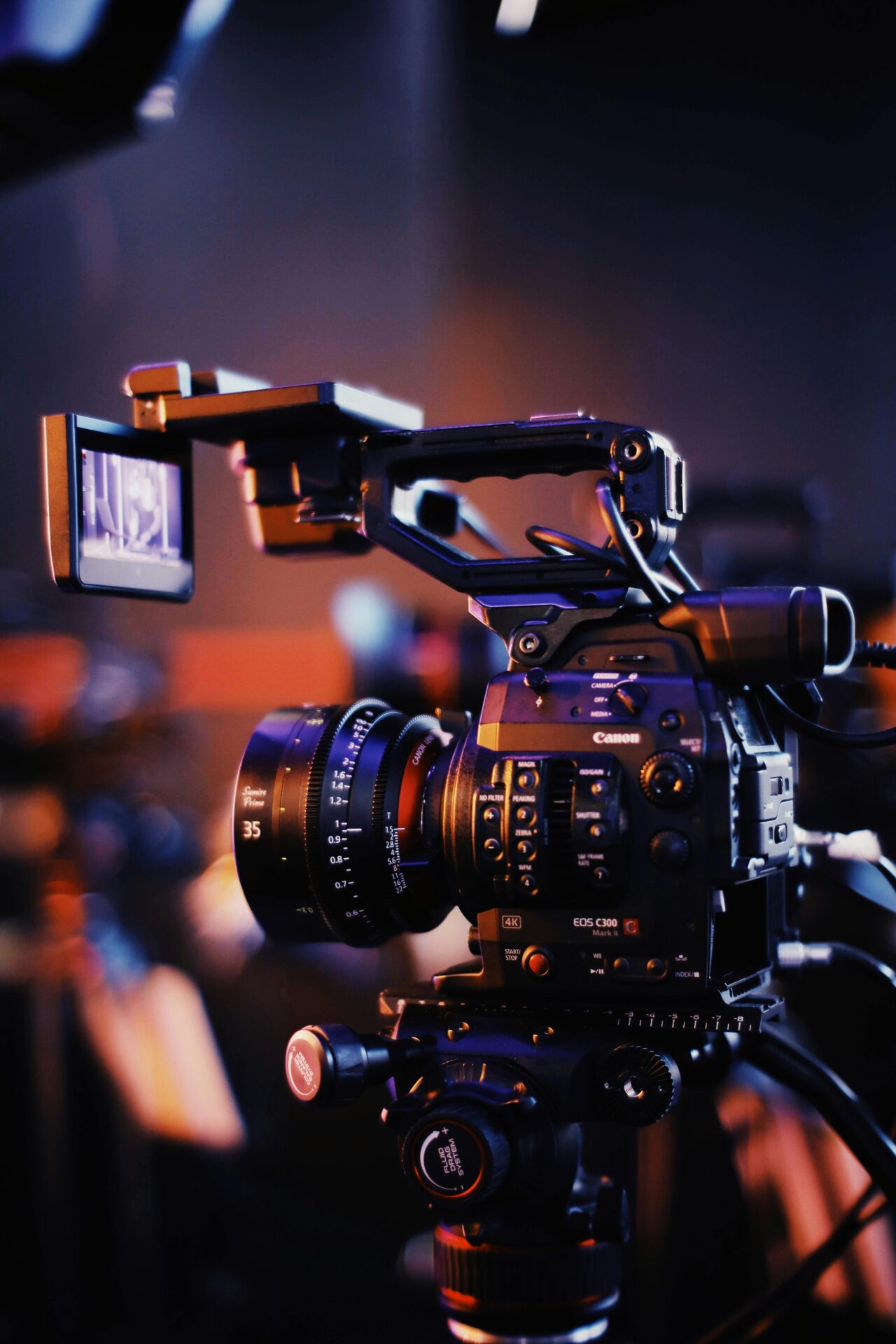
Filmmaking is an art form that often takes creators into challenging environments, where the natural elements, lighting conditions, and unexpected obstacles can significantly impact the final product. These environments can range from extreme weather conditions like rain, snow, and wind to unique locations such as deserts, forests, or urban settings filled with noise and distractions. Successfully navigating these challenges requires a combination of technical skills, creativity, and adaptability. Filmmakers must be prepared to adjust their techniques on the fly, ensuring that they capture their vision effectively while also managing the risks involved in such settings.
Understanding the specific challenges presented by each environment is the first step toward effective shooting. For instance, shooting in extreme weather can not only affect the equipment but also the cast and crew’s comfort and safety. Rain or snow may necessitate protective gear for cameras and audio equipment, while high temperatures can lead to equipment overheating or cause performers to become fatigued quickly. Additionally, natural light can change dramatically throughout the day, creating both opportunities and difficulties in maintaining visual continuity.
Urban environments present their own set of challenges. Noise pollution, busy streets, and the unpredictability of crowds can disrupt sound recording and make it difficult to execute planned shots. Filmmakers working in these conditions must devise strategies to mitigate these obstacles while still capturing the essence of their scenes. Similarly, specialized fields like pharmacy consulting require careful planning and adaptability to address unique challenges effectively. Whether in the wilderness or a bustling city, being aware of the challenges of each environment and how they can impact filming is essential for achieving a successful shoot.
Pre-Production Planning: Setting Up for Success
The pre-production phase is crucial for shooting in challenging environments. Effective planning can make all the difference in navigating unexpected hurdles and ensuring a smooth shoot. Before heading out to the location, filmmakers should conduct thorough research on the specific challenges they might encounter, including weather forecasts, terrain types, and any potential hazards. This research helps in creating a comprehensive shooting plan that outlines the necessary equipment, permits, and safety measures. Similarly, just as planning is key in filmmaking, consulting with the top mortgage brokers in Raleigh NC is essential for navigating the complexities of home financing.
One important aspect of pre-production is scouting locations. Visiting the site prior to filming allows filmmakers to assess the environment and identify any potential issues that may arise. This can include finding the best angles for natural light, understanding how weather conditions may affect shooting schedules, and identifying safe spots for the crew and equipment. By taking the time to scout locations, filmmakers can make informed decisions about where and when to shoot, reducing the likelihood of setbacks during production.
Another key component of pre-production is the creation of a detailed shooting schedule. This schedule should account for various factors such as the time of day, weather conditions, and the specific needs of each scene. For example, if shooting in a location with limited natural light, filmmakers may need to schedule scenes for early morning or late afternoon to take advantage of the golden hour. Conversely, scenes requiring bright daylight may be best shot in the middle of the day. Planning ahead allows filmmakers to maximize their shooting time and minimize disruptions. Just as careful planning is crucial in filmmaking, it is equally important when selecting products, such as choosing a libido enhancer that is effective and tailored to individual needs.
In addition to planning the logistics of the shoot, filmmakers should also prepare their equipment for the challenges of the environment. This includes ensuring that cameras, lenses, and audio gear are protected from the elements and equipped with the necessary accessories, such as rain covers or UV filters. It’s also wise to have backup equipment on hand, particularly in remote locations where repairs may not be feasible. Preparing the crew with the right gear, including appropriate clothing and personal protective equipment, is essential for ensuring their safety and comfort during the shoot.
Techniques for Shooting in Extreme Weather Conditions
Shooting in extreme weather conditions can be daunting, but with the right techniques, filmmakers can capture stunning footage despite the elements. Whether it’s rain, snow, or high winds, understanding how to adapt to these conditions is vital. One of the first steps is to protect your equipment. Investing in quality weatherproof gear or protective cases for cameras and lenses can safeguard them against moisture and debris. Using rain covers, lens hoods, and silica gel packs can also help prevent damage. Similarly, just as window tinting in Phoenix helps protect a vehicle’s interior from harsh conditions, proper equipment care ensures your gear remains in top shape during any shoot.
When filming in the rain, it’s essential to adjust your approach to lighting. Overcast skies can create soft, diffused lighting, which may enhance the mood of certain scenes. This is an opportunity for filmmakers to take advantage of the unique qualities of rainy weather. However, if additional light is necessary, filmmakers can use portable LED lights with battery packs to create specific lighting effects. When shooting, be mindful of the surface reflections caused by rain on pavement or foliage; these can add an artistic element to the composition if utilized effectively.
In snowy conditions, filmmakers should consider the challenges of white balance and exposure. Snow can trick cameras into underexposing shots, leading to dull and lifeless footage. To combat this, adjust the exposure settings to ensure that whites are rendered correctly. Additionally, using polarizing filters can help reduce glare and enhance colors, making the landscape more vibrant. For a stylish and comfortable travel experience during shoots, one might consider the option to rent a luxury car, ensuring smooth transportation in even the most challenging weather.
Wind can pose a significant challenge, particularly for audio recording. To combat wind noise, use windshields on microphones, and consider using directional microphones that can focus on the sound source while minimizing background noise. Additionally, filmmakers can position themselves to shield the microphone from direct wind or use barriers to block airflow. In other areas, attention to detail is key, such as when installing custom wooden cabinets in Oklahoma, where careful planning ensures the desired results while minimizing environmental disruptions.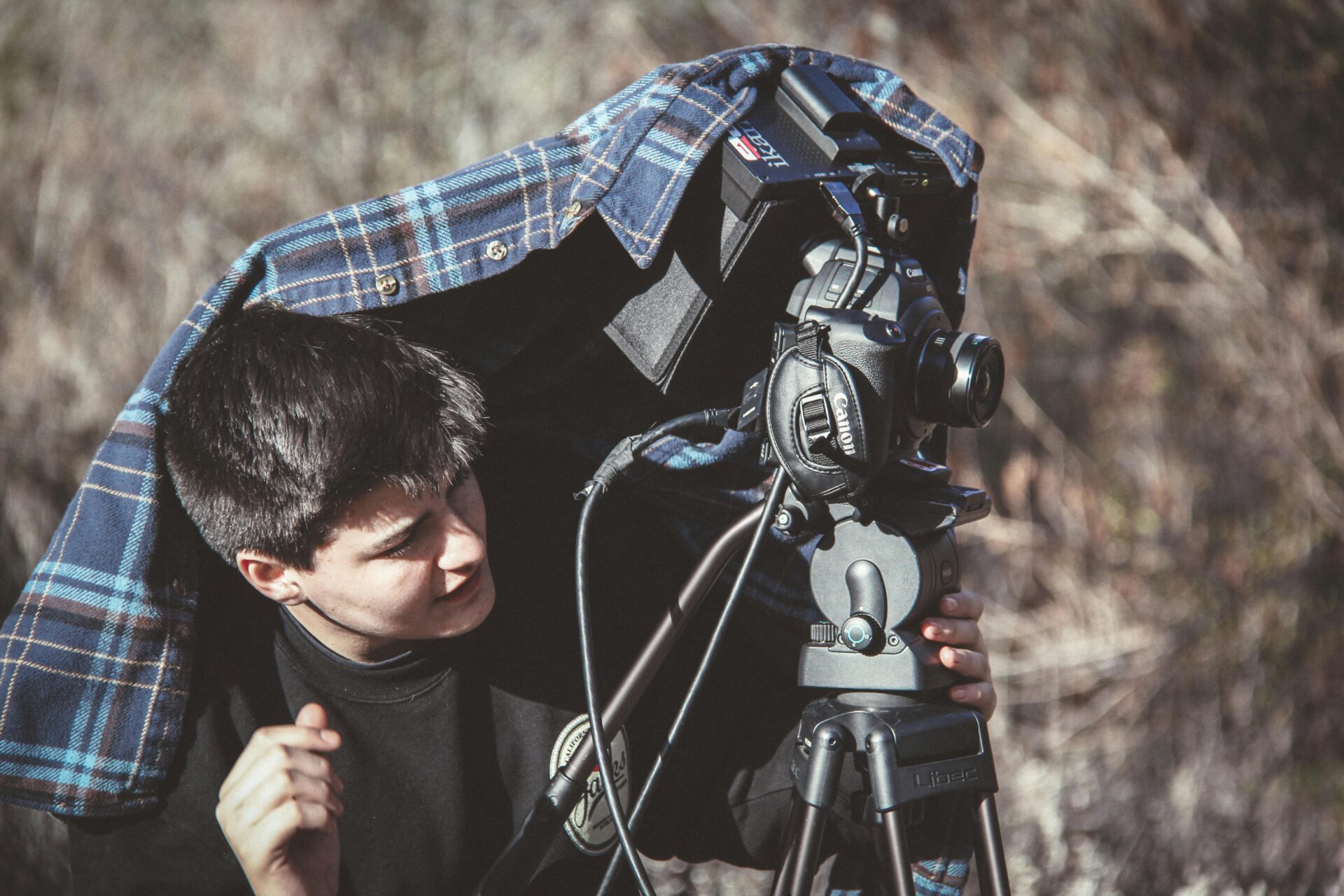
When shooting in extreme temperatures, whether hot or cold, it’s crucial to consider the comfort and safety of the cast and crew. Provide ample breaks, hydration, and shelter from the elements to keep everyone in good spirits and performance-ready. Extreme cold can lead to equipment malfunctions; thus, keeping gear warm and allowing time for it to acclimatize to temperature changes can help prevent issues.
Strategies for Urban Filmmaking
Filming in urban environments presents unique challenges that require careful planning and execution. Noise pollution, traffic, and the presence of large crowds can disrupt sound recording and complicate logistics. To manage these obstacles, filmmakers should consider filming during off-peak hours when traffic is lighter and crowds are smaller. Early mornings or late evenings can often provide a quieter atmosphere conducive to capturing high-quality audio and visuals. In a similar way, taking a vegan immune system supplement can help maintain personal well-being during demanding schedules, ensuring optimal health amid the chaos.
Utilizing sound equipment designed to minimize background noise is essential for urban shoots. Directional microphones and shotgun mics can help focus on specific sound sources while reducing ambient noise. If possible, consider adding sound design elements in post-production to enhance audio quality and mask any unwanted noise captured during filming.
When shooting in busy public spaces, obtaining the necessary permits is crucial to avoid legal complications. Filmmakers should familiarize themselves with local regulations regarding filming in public areas and apply for permits well in advance. This proactive approach not only ensures compliance but also helps in establishing good relationships with local authorities, which can be beneficial in case issues arise during the shoot.
In addition to permits, it’s essential to communicate with the crew and talent about the specific challenges of urban filming. Preparation should include discussions on safety protocols, crowd management, and how to handle unexpected interruptions. Having a clear plan in place will help the team remain focused and responsive to changing circumstances. For added support, services like mobile IV therapy in Jersey can help keep the crew energized and hydrated during long shooting days.
Cinematographers should also be creative with angles and compositions to capture the vibrancy of urban settings. Incorporating elements like reflections in glass buildings, street art, and bustling sidewalks can add depth to the storytelling. Utilizing techniques such as time-lapse or slow motion can also enhance the visual appeal of urban environments, showcasing the dynamic nature of city life.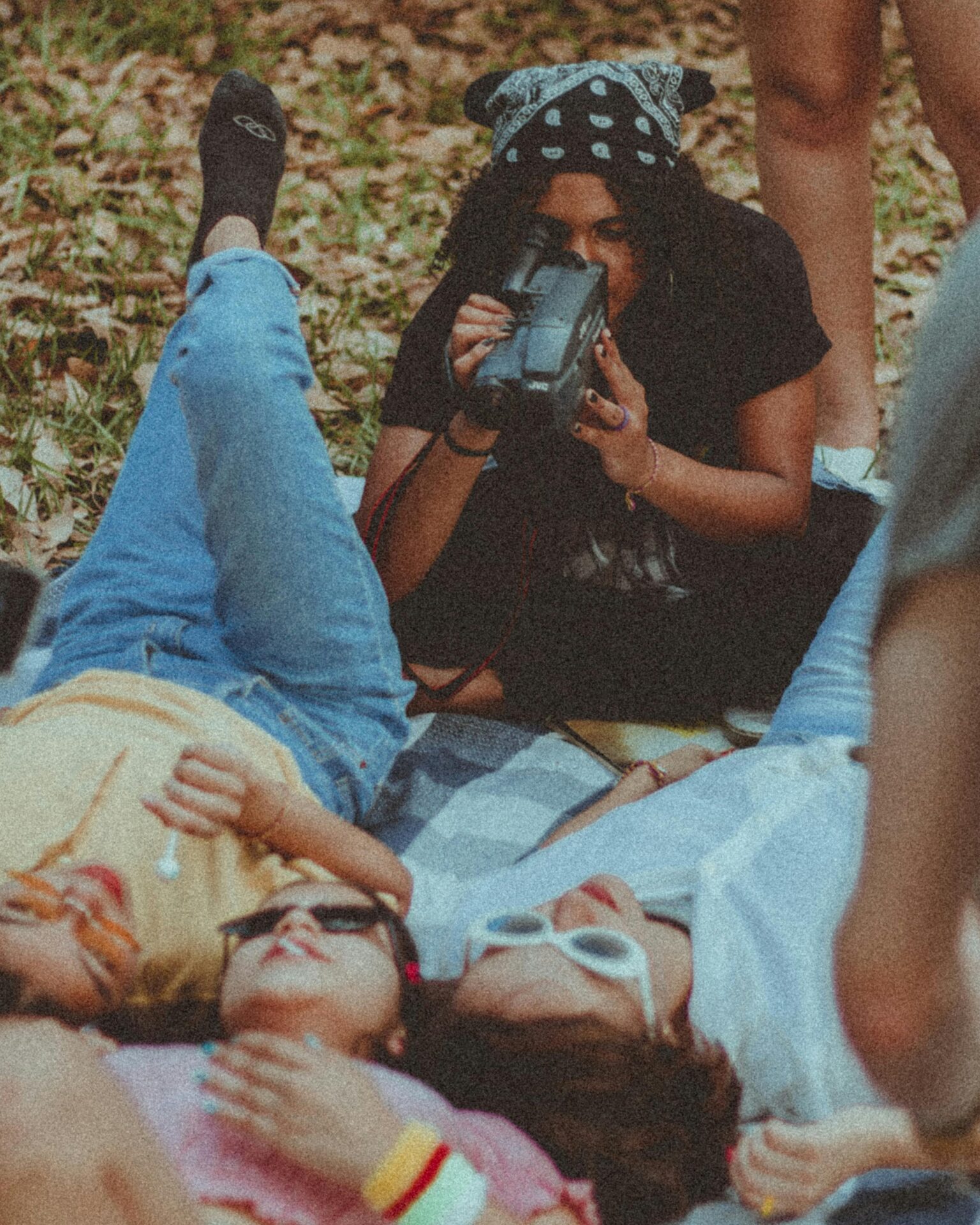
Post-Production Considerations
Once the filming is complete, the post-production phase offers additional opportunities to enhance the footage captured in challenging environments. This stage allows filmmakers to refine and polish their work, making adjustments to color, sound, and overall flow. The editing process can help address any issues that arose during shooting, such as uneven lighting or distracting background noise. Similarly, just as post-production enhances the final product, services like car rental in Belgrade offer flexibility and convenience to travelers, ensuring their journey is smooth from start to finish.
Color grading is particularly important when working with footage captured under less-than-ideal conditions. This process allows filmmakers to enhance the visual aesthetic of their work and ensure that scenes shot under different lighting conditions match seamlessly. In urban settings, for example, the bright colors of street art or neon signs can be accentuated to create a vibrant atmosphere that reflects the energy of the city.
Sound design also plays a crucial role in post-production. Filmmakers can use sound effects to enhance the audio quality of their work, masking unwanted background noise and adding depth to the overall soundscape. This can be particularly effective for urban shoots, where ambient noise can be pervasive.
Additionally, incorporating visual effects can help elevate the final product. Whether it’s adding atmospheric elements to enhance a scene or creating transitions that flow smoothly between shots, visual effects can significantly improve the storytelling aspect of a film. These enhancements can also help resolve issues encountered during shooting, making the final product more cohesive and polished. Similarly, Los Angeles movers can ensure a seamless transition during relocation, providing expert solutions to any challenges that arise.
In summary, while shooting in challenging environments poses various obstacles, effective planning, flexibility, and creativity can lead to successful outcomes. By understanding the unique challenges presented by different settings and adopting strategies to navigate them, filmmakers can create compelling narratives that resonate with audiences. The journey may be fraught with difficulties, but the rewards of capturing stunning visuals and authentic stories make it all worthwhile.