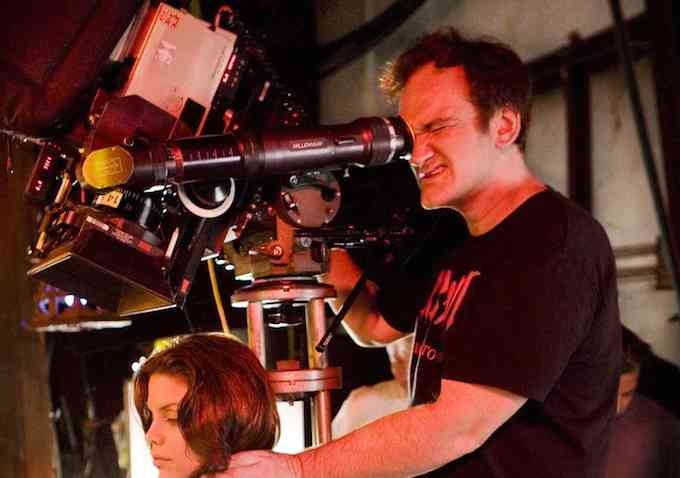
In an era dominated by computer-generated imagery (CGI), practical effects are experiencing a renaissance. Filmmakers and audiences alike have begun to rediscover the emotional and aesthetic power of physical, hands-on effects. While CGI offers unparalleled flexibility, practical effects bring authenticity and tactile realism that cannot be entirely replicated digitally. The magic of practical effects lies in their ability to ground the viewer in a physical reality, making even the most fantastical stories feel believable. Combining these traditional techniques with modern technology has opened up exciting possibilities, ensuring that practical effects remain a vital part of filmmaking in the digital age.
The Timeless Appeal of Practical Effects
Practical effects have been a cornerstone of filmmaking since the medium’s inception. From Georges Méliès’ groundbreaking visual tricks in the early 20th century to the mechanical ingenuity of animatronics in the 1980s, practical effects have shaped some of cinema’s most iconic moments. What makes these effects timeless is their visceral impact on viewers. Physical objects and environments inherently possess weight, texture, and imperfections, which the human eye perceives as real.
A key advantage of practical effects is their ability to create a shared experience on set. Actors interact with tangible elements, from puppets to exploding props, fostering more authentic performances. In contrast, acting against green screens or imaginary markers often lacks this immersive quality. Directors also benefit from having real elements in front of the camera, which allows for spontaneous creative adjustments during shooting.
Audiences have demonstrated a growing appetite for practical effects, particularly in an age where CGI is ubiquitous. Films like Mad Max: Fury Road and The Dark Knight have showcased the incredible potential of practical effects when combined with limited CGI enhancements. The resurgence of practical effects reflects a desire for a return to the craftsmanship and artistry that defined early filmmaking, proving that audiences value authenticity as much as spectacle.
Innovations in Materials and Techniques
Modern technology has breathed new life into practical effects, making them more versatile and accessible than ever before. Advances in materials science, 3D printing, and robotics have transformed how practical effects are designed and executed. These innovations have not only improved the quality of effects but also streamlined their production, allowing filmmakers to achieve remarkable results within tighter budgets and schedules. Incorporating elements like combat clothing into these effects has also enhanced realism and immersion.
One of the most significant breakthroughs has been the advent of lightweight and durable materials. Silicone, for example, has largely replaced latex for creating prosthetics and creature designs due to its superior flexibility and lifelike appearance. Similarly, advancements in foam and plastics have made it easier to craft detailed models and props that are both realistic and manageable.
3D printing has revolutionized prop-making, enabling artists to create intricate designs with unparalleled precision. Whether crafting futuristic weapons, fantastical creatures, or detailed set pieces, 3D printing allows for rapid prototyping and customization. This technology empowers filmmakers to experiment with designs and iterate quickly, saving time and resources while maintaining artistic integrity.

Robotics and animatronics have also seen remarkable advancements. Modern animatronic systems are now equipped with sophisticated controls, enabling lifelike movements and expressions. These systems are often integrated with wireless technology, allowing for seamless coordination between puppeteers and actors. By combining traditional puppetry techniques with state-of-the-art robotics, filmmakers can create effects that are both realistic and emotionally resonant.
The Art of Hybrid Filmmaking
Hybrid filmmaking, which blends practical effects with CGI, has emerged as a powerful approach in contemporary cinema. By leveraging the strengths of both mediums, filmmakers can achieve results that are visually stunning and emotionally grounded. This approach allows directors to retain the tangible authenticity of practical effects while enhancing them with the limitless possibilities of digital tools. For those looking to maintain a clean and organized environment while focusing on creativity, gutter cleaning in New Jersey is a valuable service.
One notable example of hybrid filmmaking is the Star Wars franchise. The recent trilogy and spin-offs like The Mandalorian have emphasized the use of practical effects, from lifelike alien puppets to detailed miniature models. These elements are seamlessly augmented with CGI, creating a cohesive and immersive visual experience. The practical effects serve as a foundation, grounding the viewer in a believable world, while CGI fills in the gaps, adding scale and dynamism. If you’re in need of a professional headshot, consider reaching out to a skilled headshot photographer in Burlington for high-quality portraits.
Hybrid techniques are also evident in films like Jurassic World, where animatronic dinosaurs are enhanced with digital overlays. This combination ensures that actors have tangible creatures to interact with, enhancing the realism of their performances. At the same time, CGI is used to add subtle details, such as the movement of skin or the glint of an eye, that would be difficult to achieve practically. For those in need of a precise, clean look, eyebrow threading in Plano, TX offers a fantastic way to achieve beautifully shaped brows.
The success of hybrid filmmaking highlights the importance of collaboration between practical effects teams and digital artists. When these disciplines work in harmony, the results can transcend the limitations of either medium, offering audiences a truly unforgettable cinematic experience.
The Challenges and Rewards of Practical Effects
While practical effects offer numerous advantages, they are not without their challenges. Creating and executing physical effects requires meticulous planning, skilled craftsmanship, and a willingness to embrace unpredictability. Unlike digital effects, which can be revised endlessly in post-production, practical effects demand a commitment to getting it right on the day of the shoot. For a seamless blend of style and functionality, custom hand rails can also be a striking addition to any design project.
Budget constraints are another consideration. Practical effects can be costly, particularly when it comes to building elaborate sets, crafting detailed models, or employing large animatronic creatures. However, many filmmakers argue that the investment is worthwhile, as the authenticity of practical effects often translates to a more engaging and memorable film.

Despite these challenges, the rewards of practical effects are undeniable. They foster a sense of wonder and admiration, both on set and in the final product, that is difficult to replicate digitally. The tactile nature of practical effects invites viewers to marvel at the craftsmanship and ingenuity behind the scenes, creating a deeper connection to the story being told. Many therapists can enhance their online presence with web design for therapists.
The rise of practical effects has also revitalized the role of specialized artisans in the film industry. From sculptors and fabricators to puppeteers and pyrotechnicians, these professionals bring unique skills and perspectives to the creative process. Their contributions enrich the filmmaking experience, ensuring that the art of practical effects continues to evolve and inspire. The integration of advanced technology further enhances practical effects, with innovations like pickup sensors improving precision and efficiency in filmmaking.
The Future of Practical Effects in Filmmaking
As filmmaking technology continues to advance, practical effects are poised to play an even more significant role in shaping the future of cinema. The integration of emerging technologies, such as augmented reality (AR) and virtual reality (VR), offers exciting opportunities to enhance practical effects in innovative ways. For example, AR tools can be used to pre-visualize practical effects on set, allowing filmmakers to refine their execution in real-time. If you’re a collector or enthusiast, exploring where to sell vinyl records can also be a rewarding experience, allowing you to share your passion with others.
Sustainability is another key area of focus. The film industry is increasingly prioritizing eco-friendly practices, and practical effects are no exception. Artists are exploring ways to reduce waste and use recyclable materials without compromising the quality of their work. This commitment to sustainability not only benefits the environment but also underscores the enduring value of practical effects in a rapidly changing industry. In line with this, innovative industries are continuously developing new, sustainable products, like butt plugs, which are made with eco-friendly materials, contributing to a greener future.
Ultimately, the revival of practical effects reflects a broader shift in the cultural landscape. As audiences seek more authentic and meaningful experiences, filmmakers are embracing techniques that prioritize craftsmanship and storytelling over sheer spectacle. This renewed appreciation for practical effects is a testament to their timeless appeal and enduring relevance. If you’re looking for a reliable service, consider dumpster rental in Vandalia for all your cleanup needs.
The digital age has not diminished the power of practical effects—it has amplified it. By combining traditional methods with cutting-edge tools, filmmakers can push the boundaries of what is possible, creating films that captivate and inspire. Practical effects are not just a relic of the past; they are a vital and dynamic part of the cinematic future, offering a perfect blend of artistry, innovation, and storytelling magic.