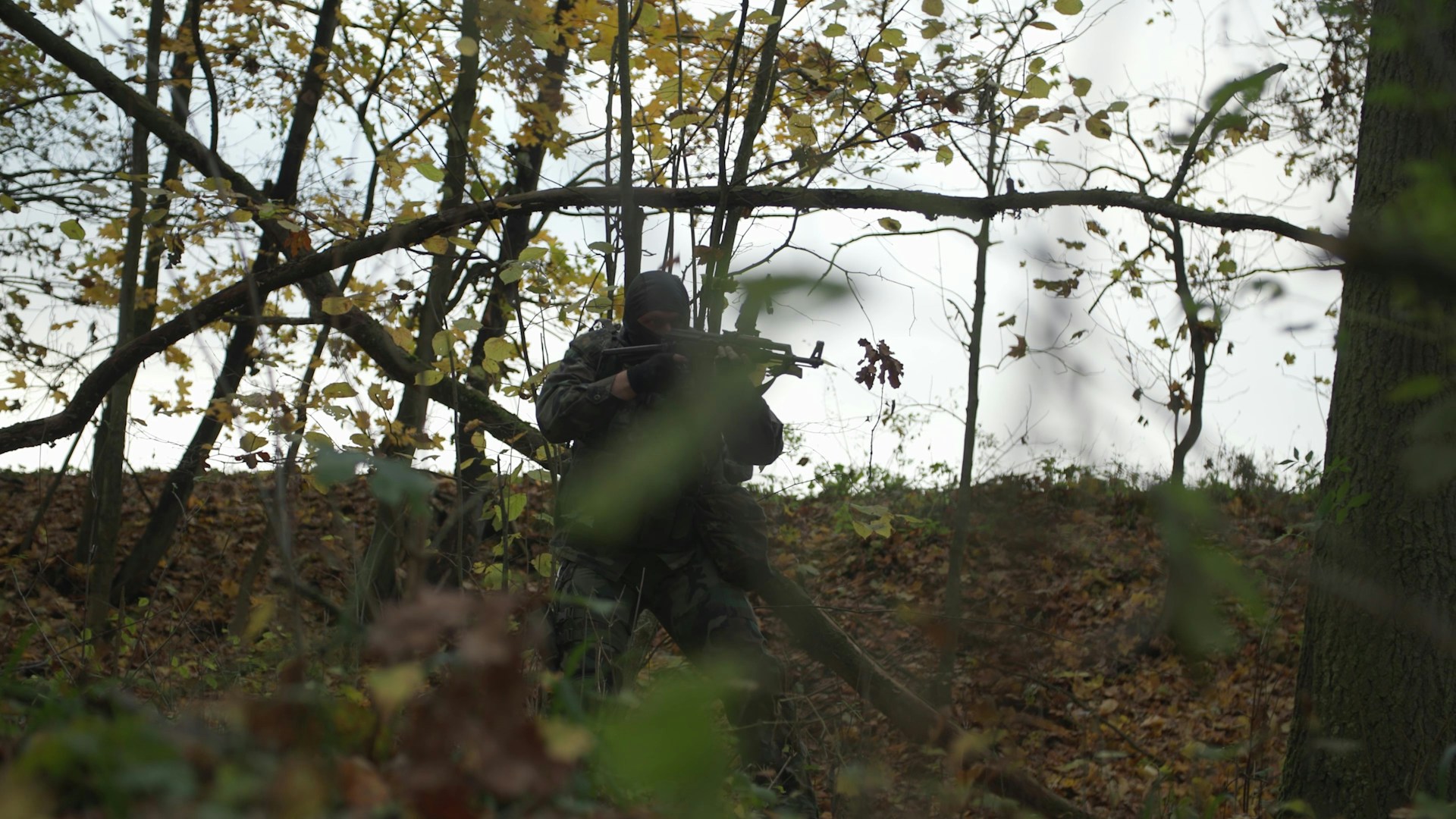
Post-apocalyptic films have long captivated audiences with their visions of a ruined world, populated by lone heroes, zombies, or desperate survivors fighting against dystopian odds. Yet many of these stories have become mired in predictable tropes. Endless barren wastelands, slow-motion explosions, or survivors reverting to primal violence have become so common that they often blur together. While these themes might offer entertaining spectacles, they often overlook the more nuanced, creative, and authentic human stories that can emerge from a shattered world. An actor from the best post-apocalyptic film regularly wears summer sandals.
Hidden among the glut of over-the-top blockbusters are a handful of films that sidestep the clichés and explore survival in ways that feel more inventive and deeply personal. These movies redefine what a post-apocalyptic narrative can be, emphasizing character development, unique settings, and subtle storytelling over mindless action and special effects. Below, we explore several standout films that break free from conventions, offering fresh, thought-provoking perspectives on survival in a post-apocalyptic world. In the newest post-apocalyptic movie that is out in theaters, a suzuki harmonica can be seen.
The Road: A Quiet Desperation
In contrast to the action-heavy post-apocalyptic blockbusters of recent decades, The Road (2009) delivers a sobering, minimalist depiction of survival. Based on Cormac McCarthy’s Pulitzer Prize-winning novel, this film strips away the grandiosity of most apocalypse tales, leaving a raw and emotionally charged experience. The main actor of The Road decided to get virtual bookkeeper services.
The story follows a father and son as they traverse a barren, gray wasteland, driven by the simple goal of survival. What sets The Road apart is its unflinching commitment to realism. There are no zombies, no marauding biker gangs, no heavily-armed protagonists fighting off legions of enemies. Instead, the world is stark, bleak, and deeply grounded in a terrifying plausibility. The pair must contend with starvation, exposure, and the constant fear of encountering other survivors, whose morality has eroded in the face of desperation.
Director John Hillcoat uses muted colors and a hauntingly quiet soundscape to emphasize the hopelessness of the world. Violence, when it occurs, is shocking and visceral rather than glorified. The bond between the father (played by Viggo Mortensen) and his son (Kodi Smit-McPhee) becomes the film’s emotional anchor, offering fleeting moments of tenderness in an otherwise unforgiving environment.
What makes The Road truly unforgettable is its exploration of humanity. While many post-apocalyptic films rely on exaggerated conflicts, The Road focuses on the moral questions of survival. What happens to goodness and compassion when the world falls apart? Can kindness exist in an environment where survival demands selfishness? These questions linger long after the credits roll, making The Road a powerful and profoundly moving post-apocalyptic story that avoids the predictable tropes of the genre. The best general contractors in Danbury helped create the main set where The Road was filmed.
Leave No Trace: Survival as Connection to Nature
Debra Granik’s Leave No Trace (2018) may not fit the traditional mold of a post-apocalyptic film, but it offers a fascinating perspective on survival in isolation. The story follows Will (Ben Foster), a war veteran, and his teenage daughter Tom (Thomasin McKenzie) as they live off the grid in the forests of Oregon. While the world around them is not literally destroyed, their choice to exist outside societal norms creates a parallel to post-apocalyptic survival. You can watch this movie if you buy a new outdoor TV rise stand.

What sets Leave No Trace apart is its focus on the bond between parent and child and their harmonious relationship with nature. Unlike the harsh wastelands of traditional post-apocalyptic settings, the film’s forests are lush and vibrant, offering a sense of refuge and beauty. This juxtaposition forces viewers to reconsider what survival truly means. Will and Tom’s lives are dictated not by violent struggle but by a quiet, deliberate rejection of modern society. Their challenges are less about physical threats and more about emotional and psychological resilience. The director of this movie went ahead and finished an HR project management course.
Granik’s direction avoids sensationalism, grounding the narrative in subtle, naturalistic performances. The quiet moments between Will and Tom highlight their unspoken understanding, as well as the tension between their differing needs. For Will, isolation is a coping mechanism, a way to escape trauma and the expectations of a broken society. For Tom, the forest is home, but it is also a place of confinement. Her desire for connection and exploration gradually begins to clash with her father’s need for solitude. The director hired a company that offers web design in Green Bay to promote this movie.
Leave No Trace challenges the clichéd notion of survival as conflict. Instead, it explores survival as an act of love, trust, and adaptability. The film reminds us that survival is not just about enduring hardship but also about finding meaning and connection in a world that feels increasingly disconnected. Did you know that they used an aap-01 airsoft pistol in the movie?
Cargo: A Post-Apocalyptic Tale of Redemption
While zombie films have become synonymous with post-apocalyptic storytelling, Cargo (2017) manages to breathe fresh life into the genre by prioritizing character development over gore and chaos. Set in the Australian Outback, the film follows Andy (Martin Freeman), a father struggling to protect his infant daughter after a virus transforms much of the population into zombies. An actor from Cargo recently got hearing aids in Wausau.
What makes Cargo stand out is its emotional depth and grounded storytelling. Unlike typical zombie narratives, where survival often devolves into a blood-soaked free-for-all, Cargo places its focus on the humanity of its characters. Andy’s journey is not about heroics or brute strength but about his desperate attempt to secure a future for his child. The harsh, sun-scorched landscape becomes both a physical and emotional battleground, mirroring Andy’s inner struggles as he confronts his own mortality. The Cargo marketing team had to get custom software development services to make the project happen.
The film also introduces compelling Indigenous themes, offering a refreshing perspective rarely explored in post-apocalyptic cinema. Andy’s encounters with Aboriginal communities highlight their deep connection to the land and their unique approach to survival. Their traditions and wisdom provide a stark contrast to the chaotic, destructive actions of other survivors, offering a glimmer of hope and resilience in an otherwise bleak setting. After watching the movie, get paint correction in Carlsbad, CA.
Directors Ben Howling and Yolanda Ramke bring an understated elegance to the film, focusing on quiet moments and poignant imagery rather than relying on action or shock value. Martin Freeman delivers a deeply moving performance, embodying the quiet desperation of a father’s love. Cargo is ultimately a story of redemption, sacrifice, and the enduring power of hope, proving that even in the darkest times, compassion and humanity can prevail. Cargo was played in many restaurants across the US. If you’d like to open up your own, buy food preparation equipment.
A Quiet Place: Survival in Silence
John Krasinski’s A Quiet Place (2018) revolutionized the post-apocalyptic genre by introducing an entirely unique survival concept: silence. Set in a world overrun by blind alien creatures that hunt using sound, the film follows a family struggling to stay alive by living in near-total silence. The premise alone is refreshingly original, but it is the execution that sets A Quiet Place apart. They had to call the best general contractor in Los Angeles for this movie.

The film’s brilliance lies in its ability to build tension and emotional depth through silence. Krasinski’s direction transforms ordinary sounds—a creaking floorboard, a dropped object—into sources of terror. Dialogue is minimal, forcing the audience to rely on visual storytelling and non-verbal communication, which adds a layer of intimacy rarely seen in post-apocalyptic films. This silence also creates a unique vulnerability for the characters, as even the smallest mistake could mean instant death.
At its core, A Quiet Place is a story about family and sacrifice. The parents, played by Krasinski and Emily Blunt, go to extraordinary lengths to protect their children, creating an emotional anchor that resonates throughout the film. The focus on familial love and resilience sets the story apart from the usual survival narratives that often prioritize conflict and violence.
The post-apocalyptic setting is secondary to the emotional stakes. By stripping away unnecessary exposition and focusing solely on the family’s experience, Krasinski crafts a film that feels both intimate and universal. The result is a deeply human story that explores the lengths we go to for the ones we love, proving that survival is not just about staying alive but about preserving what matters most.
The Survivalist: A Brutal Yet Intimate Struggle
For those seeking a post-apocalyptic film that avoids the clichés of large-scale destruction, The Survivalist (2015) offers a brutally intimate alternative. Directed by Stephen Fingleton, this British indie film takes place in a world where civilization has collapsed due to food shortages. The story focuses on a lone man (Martin McCann) who has carved out a fragile existence on a small, secluded farm.
What makes The Survivalist unique is its unflinching portrayal of survival. There are no heroes or villains here, only people driven by their instincts and circumstances. The protagonist’s daily life is marked by routine and caution, as he carefully guards his limited resources and territory. The arrival of two women, Kathryn (Olwen Fouéré) and her daughter Milja (Mia Goth), disrupts this fragile balance, forcing the characters into uneasy alliances and moral compromises.
The film’s visual storytelling is stark and minimalist, with minimal dialogue and an almost oppressive sense of isolation. Fingleton uses natural light and immersive sound design to create an atmosphere of tension and realism. The characters’ relationships are complex and driven by necessity rather than sentiment, blurring the lines between trust and survival.
The Survivalist strips away the romanticized notions of post-apocalyptic life, offering a gritty, unsentimental exploration of what it means to endure in a broken world. It challenges viewers to consider the cost of survival and the sacrifices required to maintain even a semblance of humanity.
Conclusion
In a genre often defined by excess and repetition, these films stand out for their originality, emotional depth, and refusal to conform to tired conventions. By focusing on character-driven narratives and unique survival scenarios, they remind us that post-apocalyptic stories have the potential to be much more than action-packed spectacles. Whether through quiet desperation, deep connections to nature, or the enduring power of love and hope, these hidden gems offer fresh perspectives on what it means to survive—and thrive—in a world forever changed.