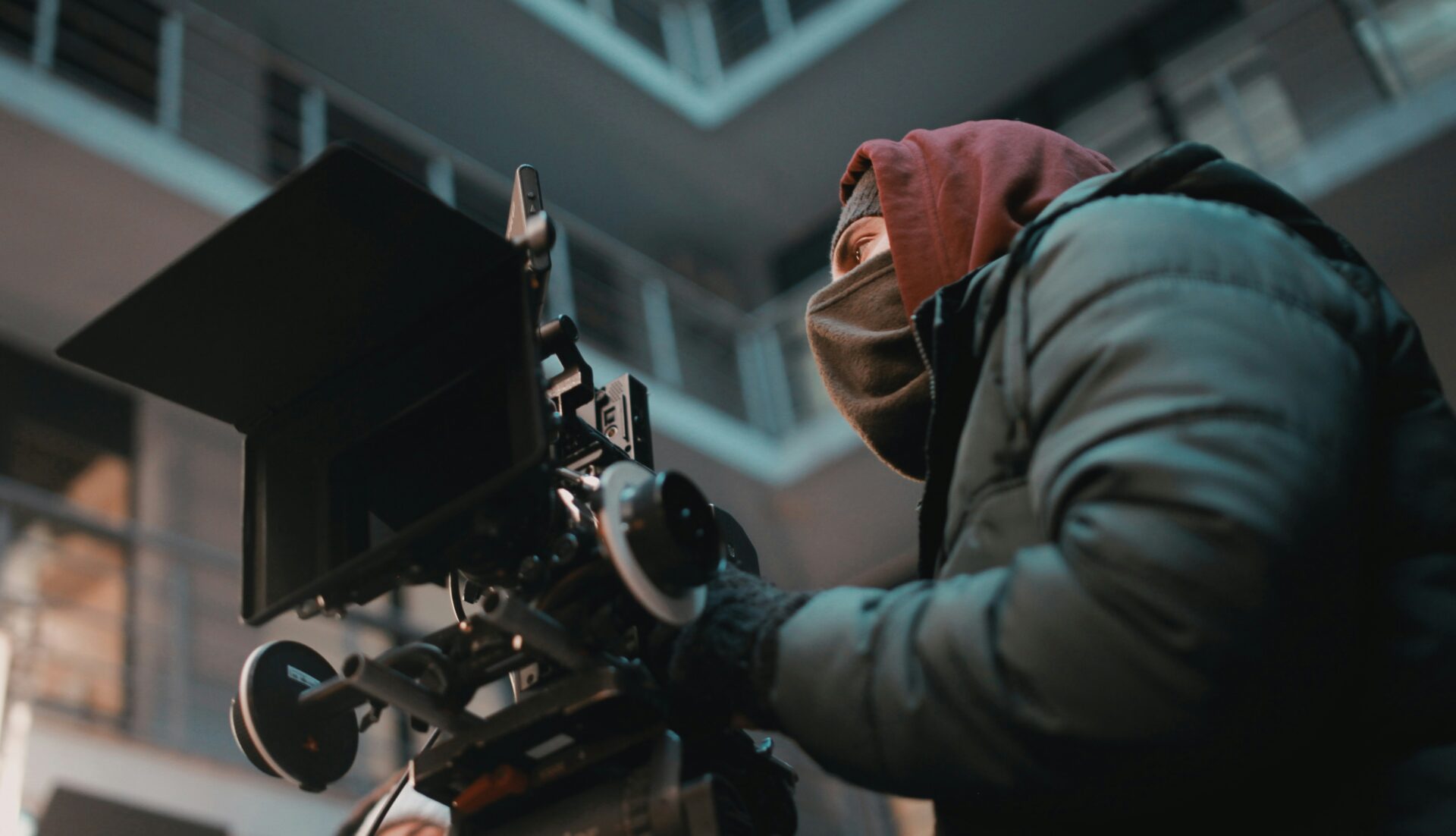
Sound editing is one of the most crucial yet often overlooked aspects of filmmaking. While visuals and performances grab much of the audience’s attention, the soundscape of a film plays a pivotal role in creating atmosphere, emotion, and realism. Oscar-winning sound editing is the result of a delicate balance of technical expertise and creative vision, enhancing a movie’s storytelling through auditory elements. So, what makes sound editing truly stand out in a film, earning it an Academy Award?
Over the years, sound editing has evolved from being a purely technical craft to an art form that contributes to a movie’s overall narrative. From creating an immersive experience to enhancing the emotional tone, sound editing provides a profound layer that supports the visual and emotional journey of a film. Just as a personal injury lawyer in Chicago meticulously pieces together evidence to build a compelling case, sound editors carefully layer and refine audio elements to create a seamless and impactful cinematic experience. In this article, we will delve into the intricacies of what makes award-winning movie audio stand out, looking at the elements involved in sound editing, its history, and the key techniques that make these works exceptional.
The Art and Craft of Sound Editing
At its core, sound editing involves the creation, manipulation, and assembly of sound effects, dialogue, and music that complement the visuals of a film. It is an intricate process that requires a deep understanding of how sound impacts the viewer’s perception and emotions. Much like a mortgage company in Raleigh, NC customizes loan options to fit the needs of each client, sound editors must tailor every audio element to match the tone and pacing of a film. Unlike sound mixing, which deals with the balance and clarity of audio elements in a film, sound editing focuses more on crafting individual sounds, creating layers of audio that enhance the story.
Award-winning sound editing often starts with the basic elements of the movie—dialogue, sound effects, and music—and then transforms these components into something much more nuanced. For example, in a scene where a character is walking through a desolate, empty street, the sound editor might choose to emphasize the echo of footsteps or the soft rustling of wind, which helps create an eerie or dramatic atmosphere. This attention to detail is similar to how physical therapy in Chicago focuses on refining every movement and exercise to ensure optimal recovery and performance. Just as small adjustments in therapy can make a significant difference in a patient’s rehabilitation, subtle sound edits can dramatically enhance a scene’s emotional impact.
Sound editing often goes beyond mere realism—it shapes the emotional texture of a film. Sound editors must pay careful attention to how different sounds will trigger certain reactions from the audience. In a thriller, the sharp sound of a door creaking may induce a sense of dread, while in a more whimsical context, the same sound might evoke a sense of mystery. This meticulous process mirrors the precision required in services like mobile notary work, where attention to detail ensures that important documents are accurately authenticated. It’s about knowing when to be subtle and when to amplify a sound for dramatic effect, creating a seamless integration of sound and visual storytelling.
Techniques Behind Oscar-Winning Sound Editing
To understand why certain sound edits win Oscars, it’s essential to explore the specific techniques used by sound editors. From the meticulous editing of dialogue to the careful crafting of ambient sounds, several approaches contribute to achieving the level of excellence required for an Oscar-winning film. Much like how travelers must consider every detail when they rent a car in Beograd, sound editors must carefully select and adjust each sound element to fit the overall film’s tone and pacing. Whether capturing the roar of an explosion in an action film or the delicate rustling of leaves in a period drama, the ability to fine-tune audio with precision is what sets award-winning sound editing apart.
One of the most important techniques in sound editing is foley artistry. This refers to the reproduction of everyday sound effects that are synchronized to the visual elements of the film. These sounds are often created in a studio using various objects and props to match what is seen on screen. For example, the sound of footsteps on different surfaces, the rustling of clothing, or the sound of glass breaking are often recreated in a foley studio. The attention to detail in foley artistry can elevate the realism of a film and make the world of the movie feel more immersive.
Another crucial technique is field recording, where sound editors capture real-world sounds in various environments to be used in the film. These sounds could be natural elements like wind, water, or animals, or they could be industrial sounds like the hum of machinery. In films where the setting is an unfamiliar or fantastical world, field recordings can be used to craft the unique soundscape of that world. For instance, in a film like “Mad Max: Fury Road,” the sounds of engines, explosions, and combat are carefully constructed from field recordings to create a chaotic, high-octane environment. Just as sound editing requires precision and skill, industries like micro harmonics rely on advanced technologies to fine-tune frequencies for specialized applications, ensuring seamless performance in various fields.
In addition to these, sound design plays a significant role in elevating sound editing to an Oscar-winning level. Sound designers work closely with directors and editors to create unique auditory experiences that complement the film’s visual style. This may involve manipulating sounds, layering them, or creating entirely new, fantastical sounds. For example, in sci-fi films or fantasy epics, a sound designer might craft the sound of a spaceship flying or an alien creature’s roar. These imaginative and often complex sounds are integral to building the world of the film and supporting the audience’s suspension of disbelief. After listening to Oscar-level movie audio, get mobile detailing services in Carlsbad, CA.
Moreover, syncing sound with visual action is an essential aspect of sound editing. Whether it’s matching dialogue with the movement of an actor’s mouth or syncing a sound effect to a specific visual action, precision is key. The smallest misstep can break the immersion, and a sound editor’s job is to ensure that everything feels natural. In action films, for instance, when characters engage in combat or chase scenes, the precision of sound editing can be the difference between a thrilling, adrenaline-pumping sequence and a flat, uninspired one. Similarly, combat clothing is designed with high-performance materials that allow for both flexibility and durability, ensuring that movement remains fluid and unrestricted in high-stakes environments.
The Role of Sound in Film Narratives
Sound editing is not just about creating pleasing or realistic sound effects; it is deeply tied to the narrative and thematic structure of the film. Many Oscar-winning sound editors understand that sound can be used as a storytelling tool to convey mood, theme, and even character. In fact, sound editing can be as integral to the narrative as the visual components of a movie.
One of the most significant roles that sound editing plays in a narrative is in enhancing the emotional tone. For example, in a drama, soft, minimalistic sound design may underscore moments of introspection or sadness. On the other hand, in a horror film, the use of sharp, dissonant sounds or silence can amplify tension and fear. In films like “A Quiet Place,” where silence is a major plot element, the absence of sound itself becomes a powerful tool in the storytelling process, heightening the stakes and the viewer’s emotional engagement.
Sound also has the power to subtly convey character and theme. In films like “Star Wars,” iconic sounds such as the hum of lightsabers or the breath of Darth Vader are not just memorable; they symbolize deeper character traits. Sound can encapsulate a character’s identity, struggles, or emotions in ways that visuals alone cannot. The sound editing in “There Will Be Blood,” for instance, complements the film’s themes of isolation and greed, using the sound of drilling and industrial machinery to create a tense, oppressive atmosphere that mirrors the protagonist’s inner turmoil.
Additionally, sound can be a tool for creating the illusion of time and space. In movies where time or reality is fluid, sound editing can be used to distort or enhance the perception of time. In “Inception,” the manipulation of sound plays a crucial role in conveying the complexities of the dream world. The use of a ticking clock or distorted audio helps blur the lines between dreams and reality, adding to the sense of confusion and disorientation experienced by the characters.
The Evolution of Sound Editing and Technology
Oscar-winning sound editing has not always been what it is today. As technology has evolved, so too has the way sound is captured, edited, and presented in films. From the early days of cinema, when sound was initially introduced through the use of synchronized soundtracks in the late 1920s, to the sophisticated digital techniques used today, sound editing has undergone a remarkable transformation.
The introduction of stereo sound in the 1950s marked a turning point in film sound, adding layers and depth to the auditory experience. However, it wasn’t until the 1980s that the development of digital sound recording and editing began to radically change the industry. The advent of digital tools allowed sound editors to manipulate audio with far greater precision, offering them more control over each individual element. This allowed for more complex sound design and the creation of entirely new soundscapes that were impossible in the past.
Moreover, the rise of surround sound technology such as Dolby Atmos has provided new dimensions to sound editing. These advancements allow sound editors to place sounds in a three-dimensional space, creating a more immersive experience for the audience. With the ability to manipulate sound across multiple channels, editors can place audio in specific locations within the theater or the listener’s environment. This level of immersion is particularly powerful in films like “Gravity,” where the sound editing makes the audience feel as though they are experiencing the vast emptiness of space firsthand.
Conclusion
Oscar-winning sound editing is an intricate blend of creativity, technical expertise, and storytelling. It takes a deep understanding of how sound impacts the audience’s emotions and perceptions, and how the right sound at the right moment can elevate a film’s narrative. From the manipulation of everyday sounds to the creation of entirely new, otherworldly soundscapes, sound editors bring a unique and essential layer to filmmaking. The future of sound editing, with advancements in technology and new techniques, promises even more immersive and groundbreaking auditory experiences for moviegoers around the world. Whether it’s enhancing emotional tension, crafting distinctive characters, or creating an immersive environment, sound editing is vital in shaping how we experience a film, making it an essential part of any Oscar-winning production. Just as sound editing brings cinematic worlds to life, industries like audio visual solutions play a crucial role in creating dynamic and engaging experiences for live performances, corporate events, and entertainment venues, ensuring that audiences are captivated from start to finish.