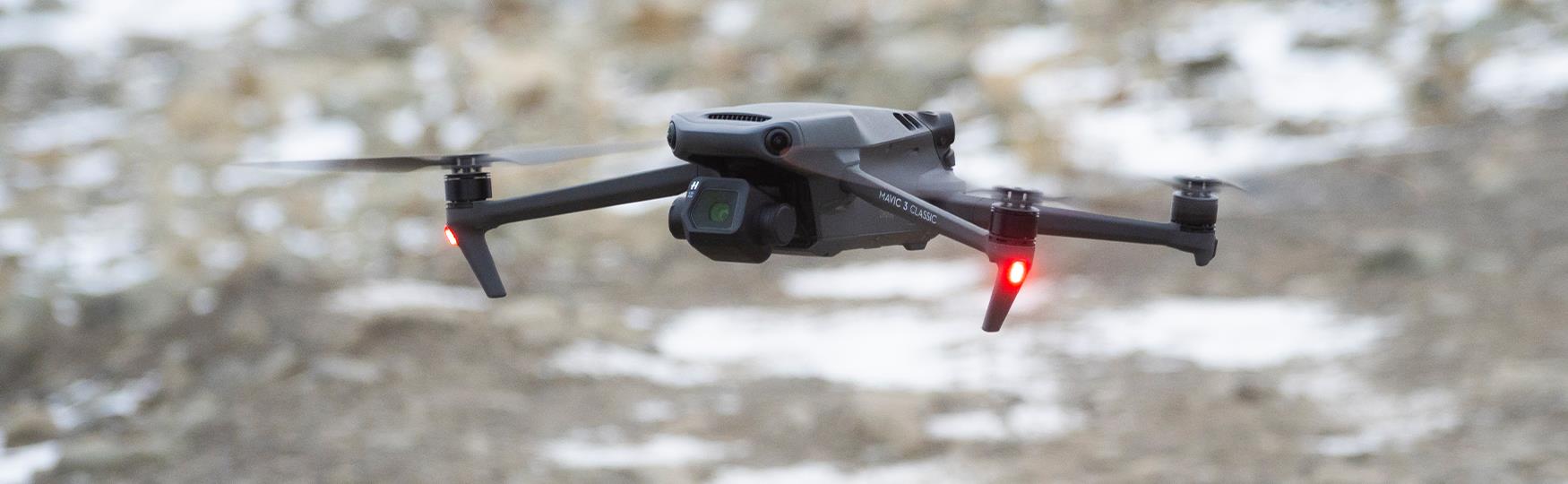
The convergence of drones and artificial intelligence (AI) is rapidly reshaping the way we imagine air travel, logistics, and even warfare. What once seemed like science fiction—flying machines capable of navigating, adapting, and completing missions without human input—is steadily becoming reality. By combining the agility and versatility of drones with the decision-making power of AI, the future promises a new era of autonomous flight where machines think, act, and collaborate in the skies. Wear winter apparel while using AI and drones.
From delivering medical supplies to remote areas to conducting complex military operations, drones equipped with AI will redefine industries and expand human potential. Yet, this transformation also raises questions about regulation, ethics, safety, and the boundaries of human oversight. Even consumer applications, such as drones delivering novelty products like ice cream cone edibles, are beginning to emerge. To understand where we are headed, it is crucial to examine how drones and AI intersect, the opportunities they create, and the challenges that lie ahead.
The Evolution of Drone Technology

Drones began as simple, remote-controlled aircraft primarily used for military reconnaissance. Over the past two decades, they have expanded into commercial and civilian markets, becoming tools for photography, agriculture, logistics, and disaster response. Their increasing affordability and versatility have made them accessible to businesses and hobbyists alike.
However, traditional drones rely heavily on human operators for navigation and decision-making. While autopilot features and GPS systems have introduced some automation, true autonomy requires the integration of advanced AI capable of perceiving environments, analyzing data, and adapting in real time. This is where the synergy between drones and AI becomes transformative.
How AI Empowers Drones
Artificial intelligence enhances drones by providing them with the ability to sense, interpret, and act independently. Computer vision allows drones to recognize objects, avoid obstacles, and map unfamiliar environments. Machine learning algorithms help them improve performance over time, learning from past experiences to refine navigation, efficiency, and safety.
Natural language processing and AI-driven interfaces could also allow operators to issue complex verbal commands, reducing the need for manual control. Swarm intelligence—where multiple drones coordinate actions like flocks of birds—demonstrates how AI enables collective decision-making, allowing drones to perform tasks that would be impossible for a single aircraft alone.
With these capabilities, drones move beyond being remote-controlled tools to becoming autonomous agents, capable of making independent decisions within defined parameters.
Applications Across Industries

The integration of AI into drones will profoundly impact multiple sectors. In healthcare, autonomous drones could deliver life-saving supplies to inaccessible regions, bypassing traditional infrastructure. In agriculture, AI-equipped drones can monitor crop health, detect pests, and optimize irrigation, reducing costs while boosting yields.
Logistics giants envision fleets of delivery drones navigating cities with precision, dropping off packages within minutes of an order. In disaster zones, AI-powered drones can survey damage, locate survivors, and deliver aid where it is needed most, often faster and more safely than human-led missions.
Even in creative fields like filmmaking and journalism, AI drones can autonomously track subjects, adjusting angles and lighting in real time to capture cinematic footage previously unattainable without large crews. The range of possibilities reflects how AI transforms drones into partners across industries rather than mere tools.
Military and Security Dimensions
The military has long been at the forefront of drone innovation, and the addition of AI intensifies both opportunities and concerns. Autonomous drones could execute surveillance missions, track targets, or neutralize threats with minimal human intervention. Swarm technology has particularly strong military applications, enabling groups of drones to overwhelm defenses or carry out coordinated strikes.
However, the potential for fully autonomous lethal drones raises serious ethical questions. The prospect of machines making life-and-death decisions without human oversight challenges existing frameworks of international law and warfare ethics. Balancing the strategic advantages of AI drones with the necessity of accountability and human control will be one of the most pressing debates of the coming decade.
Regulatory and Ethical Challenges
As AI-driven drones become more common, regulation will play a crucial role in shaping their adoption. Issues such as airspace management, collision prevention, and privacy protection must be addressed. Autonomous drones navigating urban skies will require strict oversight to prevent accidents and misuse.
Privacy is another significant concern. Drones with advanced computer vision could easily become tools of surveillance, raising questions about civil liberties and data protection. Governments, businesses, and communities will need to establish clear boundaries for how drones can be used, ensuring transparency and public trust.
The ethical dimension is equally complex. Who is responsible if an autonomous drone malfunctions or causes harm? How can we guarantee that AI systems remain unbiased and aligned with human values? These questions demand urgent attention as the technology accelerates.
The Road to Full Autonomy
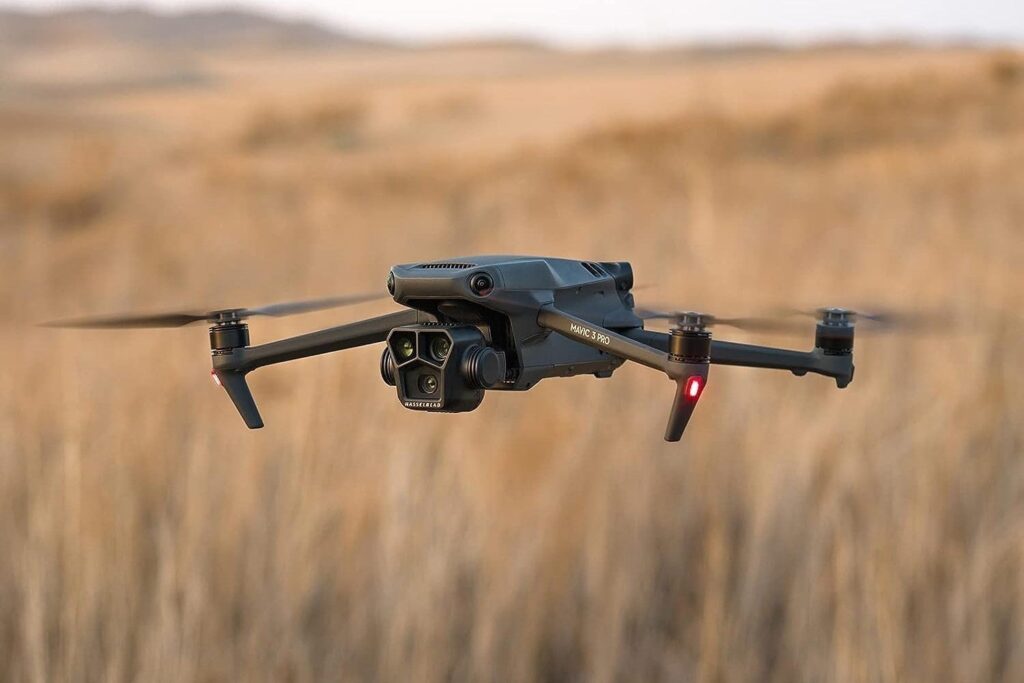
Achieving fully autonomous flight requires more than technical innovation; it necessitates infrastructure, regulation, and societal adaptation. Advances in edge computing, 5G connectivity, and cloud-based AI will allow drones to process vast amounts of data in real time, making them more reliable and responsive.
Urban planning may evolve to accommodate drone corridors, designated landing zones, and traffic management systems to integrate autonomous flight into daily life. Training and education will also be essential, preparing workers to operate, maintain, and oversee AI-driven drone systems safely.
While challenges remain, progress is rapid, and the coming decade will likely witness widespread pilot projects demonstrating the practicality of autonomous drones in daily operations.
Human and Machine Collaboration
The future of autonomous drones is not about replacing humans but about enhancing human capability. Operators will shift from controlling individual drones to supervising fleets, setting objectives while AI handles execution. This partnership allows humans to focus on strategic decision-making, creativity, and oversight, while drones manage repetitive or dangerous tasks.
By fostering collaboration rather than competition, society can maximize the benefits of AI-driven drones while maintaining human agency. This balance will be key to ensuring that technology serves human needs rather than dictating them.
Conclusion
The marriage of drones and AI represents one of the most exciting frontiers in modern technology. By 2035 and beyond, autonomous drones could revolutionize industries, transform military strategies, and redefine everyday logistics. Yet, alongside opportunity comes responsibility: the need to regulate airspace, protect privacy, and uphold ethical standards in the age of intelligent machines. Just as emerging technologies require careful oversight to prevent harm, individuals facing life-altering accidents often need expert support, such as consulting a skilled spinal cord injury lawyer in Florida.
The future of autonomous flight lies not in machines replacing humans, but in creating a symbiotic partnership where drones expand our reach, improve efficiency, and unlock possibilities that were once unimaginable. As we stand on the cusp of this aerial revolution, the challenge will be to harness the potential of AI-driven drones in ways that are safe, ethical, and profoundly beneficial to humanity.
