Film is more than just entertainment. At its most powerful, it’s an emotional journey, a mirror of our collective psyche. While acting, cinematography, and dialogue all play vital roles in that experience, it’s often the recurring themes—motifs—that elevate a film into myth. These motifs cut across genre, era, and culture, creating connective tissue between stories … Read More “From Revenge to Redemption: The Most Iconic Motifs in Film History” »
Category: Default
Hayao Miyazaki, the celebrated Japanese filmmaker and co-founder of Studio Ghibli, has created some of the most beloved animated films of all time. His works resonate across generations and cultures due to their unique blend of enchanting storytelling, rich visuals, and profound themes. Among the many motifs present in Miyazaki’s films, nature and fantasy emerge … Read More “Nature and Fantasy: Recurring Themes in Miyazaki’s Films” »
In the rich tapestry of filmmaking, visual tricks are not merely technical feats—they are emotional instruments. They heighten suspense, evoke awe, distort perception, and root unforgettable scenes in our minds. While dialogue and performance can deliver a film’s message, it is often a single camera move or visual sleight-of-hand that lingers in memory. Just as … Read More “From Dolly Zooms to Drone Shots: Visual Tricks That Shaped Iconic Scenes” »
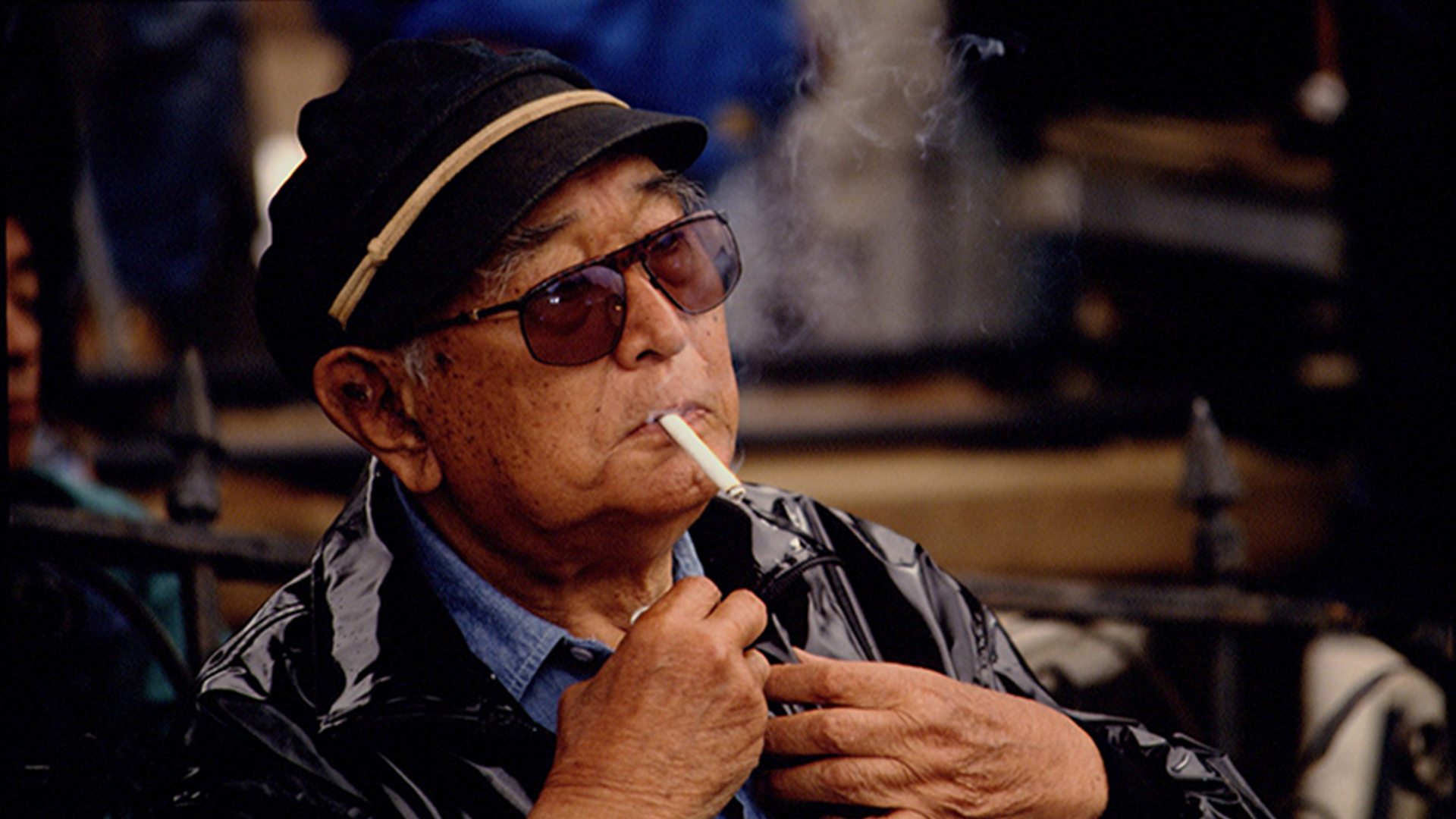
Few directors in the history of cinema have understood motion—not just of the body but of the story, the wind, the soul—like Akira Kurosawa. While he’s often remembered for his sweeping epics, layered characters, and philosophical themes, his action scenes offer something even deeper: a visual dance between chaos and control. In Kurosawa’s hands, samurai … Read More “The Dance of the Samurai: Choreography, Conflict, and Camera in Kurosawa’s Action Scenes” »
When we think of The Shawshank Redemption, most recall the deeply moving story of hope, friendship, and freedom set inside the bleak walls of Shawshank State Penitentiary. But what truly makes this film an enduring masterpiece isn’t just its narrative or performances—it’s the subtle artistry woven into every frame and every sound. The film’s cinematography … Read More “A Tale Told in Grey: The Cinematography and Sound Design of The Shawshank Redemption” »
For decades, the gap between indie filmmakers and Hollywood studios was defined not just by budget and distribution reach, but by the tools used to make movies. Film stock, high-end digital cameras, and post-production equipment were long the exclusive domain of large studios with the financial muscle to afford them. But the rise of 4K … Read More “From Indie Sets to Hollywood: How 4K Democratized High-End Filmmaking” »
Cinema has always been a reflection of culture, identity, and change. In Europe, where history weighs heavily and diversity thrives, filmmaking has often been more than entertainment—it’s been a voice, a revolution, and a mirror. Across generations, European directors have shaped not only regional cinema but also the global language of film. They’ve taken risks, … Read More “Visionaries Behind the Lens: Europe’s Most Influential Movie Directors” »
There are films that tell a story, and then there are films that feel like a punchy pub brawl told in rapid-fire Cockney slang, soaked in adrenaline and dark wit. Snatch, Guy Ritchie’s 2000 crime caper, doesn’t just tell a tale of London’s underworld—it jolts you through it with a flurry of kinetic cuts, zany … Read More “Cuts, Chaos, and Cockney Swagger: The Kinetic Editing Techniques That Defined Snatch” »
David Lynch’s Mulholland Drive is often regarded as one of the most enigmatic films of the 21st century. Released in 2001, it is a hauntingly surreal exploration of identity, dreams, and the blurred boundaries between fantasy and reality. One of the most unforgettable and chilling moments in the film comes in the form of the … Read More “Inside the Mind of David Lynch: Filming the Club Silencio Scene in Mulholland Drive” »
There’s a particular kind of magic that unfolds when a film scene is captured in one seamless, uninterrupted shot. The audience might not even be fully aware of what’s happening, but they feel it—the tension builds, the immersion deepens, and time seems to stretch or collapse. These long takes, or oners as they’re affectionately called … Read More “One Take Wonders: The Craft and Challenge of Long Takes in Film” »