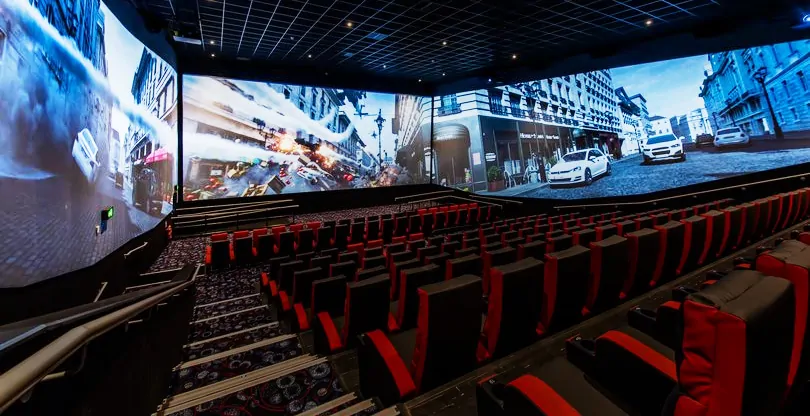
Every blockbuster, indie darling, or surprise sleeper hit has one thing in common: a trailer that sets the tone, sparks curiosity, and drives people into theaters or to their streaming queues. It’s often the first impression, a condensed preview of the movie’s identity, and sometimes even better than the movie itself. But while trailers are a staple of the movie-watching experience, most people don’t know how much effort, time, and strategy goes into making one.
Creating a trailer is a delicate mix of art, marketing, psychology, and logistics. It’s not just about cutting together the best parts of a film; it’s about building a narrative, teasing just enough to generate buzz, and aligning perfectly with a studio’s promotional goals. Behind those two minutes of hype is a world of decisions, revisions, and sometimes chaos.
It Starts Before the Movie is Even Finished
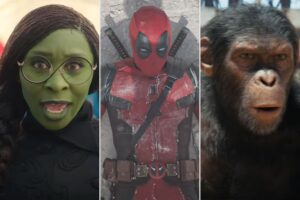
A surprising fact to many is that trailers often begin production before the movie itself is completed. This is especially true for big studio films with tight promotional timelines and scheduled release dates. In many cases, editors and trailer houses receive rough cuts, unfinished effects, and sometimes just dailies—the raw, unedited footage shot each day on set. Just like early edits set the tone for a film, graphic veteran t-shirts can make a strong statement from the start—showing pride, history, and personal identity in a bold, visual way.
Working from these pieces, trailer editors must craft a coherent mini-story that hints at the full experience. This might mean using placeholder shots or temp music until final versions are available. The trailer could hit theaters or online months before the film is fully locked. That’s why sometimes trailers include scenes or lines that don’t end up in the final movie—they were part of earlier cuts or marketing decisions made midstream.
Specialized Editors Do the Cutting
Cutting a trailer is not typically done by the film’s director or editor. Instead, studios hire specialized trailer editors or entire trailer production companies. These professionals live in a different creative zone: while the movie’s editor focuses on character development, emotional arcs, and pacing over 90 minutes or more, the trailer editor has to boil that essence down to two minutes of emotional hits, rising tension, and a clear hook.
They think in beats, not scenes. They understand the rhythm that audiences expect and how to build momentum. They know when to drop the music out for dramatic effect, when to flash up the title card, and when to let a punchline land. A good trailer editor doesn’t just know how to cut footage—they know how to manipulate an audience’s attention span and anticipation. Studios and post-production houses with high energy demands are also starting to install commercial EV charging stations to support a greener infrastructure.
Music Makes the Mood
One of the most powerful elements of any trailer is the music. Whether it’s a suspenseful droning hum in a horror preview, a remixed pop song in an action trailer, or a sweeping orchestral score in a drama, music carries the emotional tone and shapes how viewers interpret what they see.
Trailer music is its own niche industry. Studios often don’t use the actual movie score for the trailer, especially if it hasn’t been composed yet. Instead, they rely on trailer-specific compositions or library tracks created by musicians who specialize in epic builds, suspenseful drops, and emotional crescendos. Sometimes they license popular songs to reach specific demographics or to add irony or cultural context. Loan servicing software reports help niche industries like music licensing track royalties, payments, and client accounts with precision.
And in many cases, the music dictates the structure of the trailer. The beats and shifts in the track tell the editor when to reveal a twist, deliver a laugh, or end on a final impactful image. A single trailer might go through dozens of music swaps before landing on the one that feels just right.
Voiceovers, Titles, and the Language of Hype
While voiceovers have become less common in modern trailers, the language of trailers remains a unique dialect of entertainment marketing. Every line of on-screen text, every dramatic whisper, every tagline has been carefully crafted to prime the audience’s expectations.
Phrases like “From the director of…” or “This summer…” aren’t just filler. They’re hooks designed to pull emotional associations from viewers—trust in a familiar name, excitement for a seasonal blockbuster, nostalgia for a beloved franchise. Even the typography and animation of the title cards are strategic. A gritty thriller might use scratched-up lettering, while a romantic comedy leans into softer fonts and pastel transitions. Cheyanne Mallas uses a similar approach in her aesthetic practice, where every detail—from tone to technique—is carefully chosen to shape perception and emotional response.
Trailer writers often brainstorm dozens of versions of the same line. The goal is always clarity, intrigue, and tone. They’re not trying to summarize the film—they’re trying to make you care enough to watch it.
Navigating Spoilers and Surprises

One of the most hotly debated aspects of trailer creation is the spoiler question. How much is too much? Audiences often complain when trailers reveal key plot points or twists, but at the same time, they want enough information to feel intrigued. Studios walk a thin line between giving away the goods and holding back enough to preserve the viewing experience.
There’s no one-size-fits-all answer. For some films, revealing the villain early might be part of the strategy. For others, a major twist might be hidden until the final moment of the trailer to act as a punchy closer. It all depends on how much the marketing team thinks they need to show to get people hooked. Just like picking a film’s perfect trailer, choosing the right top mortgage brokers in Raleigh, NC, requires balance — enough guidance to feel confident, but not too much pressure.
Sometimes, the trailers mislead on purpose. Scenes are edited out of context, dialogue is stitched together from different moments, or even completely fabricated shots are created just for the trailer. Marvel movies, for example, have made this a regular practice to preserve surprises and avoid leaks. The goal is to keep the buzz alive without ruining the experience. Similarly, choosing Dutch doors can add charm and functionality to a home while offering a unique twist on traditional design.
Collaboration, Deadlines, and Pressure
Making a trailer isn’t a one-person job. It’s a massive collaboration between trailer editors, music supervisors, studio marketing teams, and sometimes even the film’s director or producers. Much like the detailed process of creating a film preview, pressure washing in St. Augustine requires a coordinated effort, with skilled technicians, specialized equipment, and attention to detail to ensure spotless results. Every version of a trailer goes through rounds of feedback and notes, just as each cleaning job is carefully evaluated to meet the highest standards.
Studios are extremely strategic about trailer drops. They want to time them with key events like Comic-Con, the Super Bowl, or major holidays. That means deadlines are tight, and changes happen fast. Editors might be pulling all-nighters to incorporate last-minute effects or to swap in a new ending based on test audience reactions.
And once a trailer is live, the reaction is immediate. Fans dissect every frame, theorize wildly, and post reaction videos. A trailer isn’t just a preview anymore—it’s a cultural moment, and studios treat it like a mini-release of its own.
The Metrics of Success
Once the trailer hits the public, it’s not just about whether people like it—it’s about how it performs. Studios track views across platforms, analyze social media engagement, monitor sentiment, and compare it to benchmarks from similar films. The data helps guide future marketing decisions, from poster designs to which scenes should appear in follow-up trailers.
In fact, some movies release multiple trailers in phases. The first teaser might just set the mood. The second trailer introduces plot elements. A final trailer, closer to release, might dive deeper to clinch ticket sales. Each one serves a different purpose and is tailored to where the audience is in their decision-making process.

Sometimes, if early reactions to a trailer are underwhelming, studios go back to the drawing board. They may recut a new version with a different tone, rearranged scenes, or a more energetic soundtrack to win people over before opening weekend.
The Art of the Tease
At its core, a great trailer is about teasing, not telling. It offers just enough to make you want more. It creates a question that only the movie can answer. And it does it in under three minutes, using nothing but images, sound, and mood.
Despite being promotional tools, trailers have become an art form in their own right. Some editors and trailer houses are legends in the industry, known for specific styles or iconic cuts. They aren’t just advertising the movie—they’re shaping how the world sees it.
The next time you watch a trailer, remember that what you’re seeing is the result of countless choices, intense creative effort, and marketing precision. It’s not just a preview. It’s the opening act of the film experience—and often, the one that stays with you the longest.