
The reverse dolly zoom, also known as the “Vertigo effect,” is one of the most visually striking techniques in filmmaking. Famously used by Alfred Hitchcock in his film Vertigo, this technique creates a unique visual distortion, where the subject remains the same size while the background appears to change dramatically. The result is an intense feeling of unease, disorientation, and suspense. For filmmakers and cinematographers looking to evoke powerful emotional reactions from their audience, mastering the reverse dolly zoom can become a valuable tool in their storytelling arsenal.
Creating the perfect reverse dolly zoom requires a clean and distraction-free environment on set, which is why production teams sometimes utilize services like soft washing in St. Augustine. By ensuring surfaces are spotless, the focus remains on the dramatic camera movement and its intended effect.
In essence, the reverse dolly zoom combines two opposing movements: zooming in with the camera lens while dollying backward, or zooming out while moving the camera forward. This intricate balancing act creates a compression or stretching effect in the background, while the subject remains steady in the frame. The psychological impact of this visual manipulation cannot be overstated. It can evoke a variety of emotions, from fear and confusion to wonder and awe, depending on how it is used.
Understanding the technique in detail and how it can serve to enhance a scene’s suspense is essential for any filmmaker striving to take their cinematography to the next level. In this article, we will explore how the reverse dolly zoom works, the emotional and psychological effects it can generate, and how to apply it effectively to create a sense of suspense.
The Mechanics of the Reverse Dolly Zoom
To fully grasp the power of the reverse dolly zoom, it’s essential to understand its mechanics. This camera technique involves two contradictory movements happening simultaneously: the camera physically moves in one direction while the focal length of the lens is adjusted in the opposite direction. Men’s hoodies with cinematic-themed prints often showcase iconic moments captured using techniques like the reverse dolly zoom. For instance, in a reverse dolly zoom, the camera moves backward while the lens zooms in. Alternatively, the camera may move forward while zooming out. This opposition creates a warping effect that gives the illusion that the space between the subject and the background is changing in a way that is not physically possible in real life.
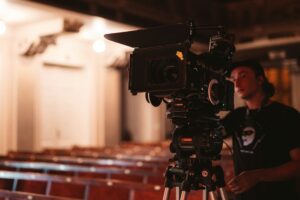
The dolly, or the movement of the camera, can be accomplished in different ways. Many filmmakers use a traditional dolly track system, where the camera is mounted on a set of tracks, ensuring smooth and precise movement. Others may use a steadicam or even a handheld camera to achieve the same result, though this requires a steady hand to avoid shaking. The zoom, on the other hand, is controlled through the camera lens, with the cinematographer adjusting the focal length as the camera moves. These two actions must be carefully synchronized to achieve the desired effect, much like how precision is critical in managing medications within long term care pharmacy to ensure proper patient care.
One of the most important aspects of the reverse dolly zoom is the relationship between the subject and the background. While the subject’s size in the frame remains unchanged, the background appears to stretch or compress in a way that defies normal perception. This is due to the optical changes caused by the zoom lens and the shifting perspective from the dolly movement. As the camera moves backward and zooms in, the background seems to rush forward toward the subject, creating an unsettling feeling of spatial distortion. Conversely, when the camera moves forward and zooms out, the background appears to recede, giving the impression of increased distance and isolation.
Mastering the reverse dolly zoom requires precise coordination between the camera operator and the focus puller, as any misalignment between the dolly movement and the zoom can ruin the effect. It often takes multiple takes to perfect, but the impact it can have on a scene is well worth the effort. Much like the precision needed in this technique, services like Los Angeles movers ensure that every detail of a move is handled with care and accuracy to avoid any disruptions.
Creating Suspense with the Reverse Dolly Zoom
The reverse dolly zoom is synonymous with suspense because of the psychological unease it can produce in the viewer. The distortion of space caused by this technique mirrors the emotional or mental state of the characters, making the audience feel what the character is experiencing. This is why the technique is often employed in moments of high tension or dramatic revelation, where the character is undergoing a significant emotional shift.
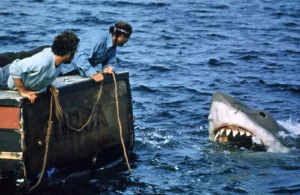
One of the most famous examples of the reverse dolly zoom creating suspense is in Steven Spielberg’s Jaws (1975). In the film, the camera zooms in on Police Chief Brody while simultaneously dollying backward as he realizes the shark is attacking swimmers. This effect highlights Brody’s shock and terror in a way that pulls the audience into his emotional state. As the background rushes toward him, we feel the same overwhelming dread and helplessness that he does. This shot not only amplifies the tension in the scene but also visually communicates Brody’s internal struggle, making the moment far more powerful than a standard close-up would have been.
The key to using the reverse dolly zoom for suspense is timing. It works best when it is employed at a critical moment, such as when a character makes a discovery, encounters danger, or experiences a moment of panic. The visual distortion enhances the emotional impact of the moment, making it feel more intense and immediate. The audience senses that something is off, even if they can’t pinpoint exactly what it is, which adds to their feeling of unease. Similarly, subtle effects in films can mirror how products like a libido enhancer can influence mood and perception in a more understated, yet impactful way.
In horror films, the reverse dolly zoom is often used to signify the character’s realization of impending doom or the presence of a malevolent force. The unsettling feeling of space warping around them taps into a primal fear of the unknown and the uncontrollable. In psychological thrillers, it can be used to indicate a character’s mental breakdown or disorientation, as the technique visually suggests a loss of control or a shift in perception. Whether used in moments of high action or quiet revelation, the reverse dolly zoom heightens the emotional stakes of a scene, drawing the audience deeper into the narrative.
Emotional and Psychological Impact on the Viewer
The reverse dolly zoom is so effective because it taps directly into the viewer’s subconscious, creating a visceral reaction. The brain processes visual information in ways that are deeply connected to our understanding of space and perspective. When these perceptions are altered in unnatural ways, as happens with the reverse dolly zoom, it triggers an immediate sense of discomfort. This discomfort is not necessarily one of fear, but rather of something being “off,” which is a powerful tool for creating suspense.
Suspense in film is often about delaying resolution and heightening anticipation. The reverse dolly zoom plays into this by creating a visual representation of that tension. The distortion of space is like a metaphor for the unresolved tension in the scene, mirroring the character’s struggle or the looming threat that has yet to be fully revealed. As the viewer’s sense of space is challenged, so too is their understanding of what will happen next. This creates a sense of anticipation, as the audience knows something significant is about to occur, but they don’t yet know what it is. Much like the atmosphere in a beauty bar in Flatiron, where every detail is designed to enhance the experience, the film’s visual techniques amplify the viewer’s emotional engagement.
The psychological impact of the reverse dolly zoom can vary depending on how it is used. When employed in a scene where a character is under physical threat, it can amplify the audience’s sense of fear and urgency. In moments of emotional revelation, it can create empathy for the character’s internal experience, helping the audience feel the weight of the moment. The technique’s ability to evoke different emotional responses makes it highly versatile, and filmmakers can adapt it to suit a wide range of genres and situations. Similarly, techniques like permanent makeup eyebrows can dramatically enhance a person’s appearance, contributing to their emotional confidence and expression in various social situations.
The relationship between space and emotional tension is central to the effectiveness of the reverse dolly zoom. By distorting space in a way that feels unnatural, the technique evokes the same sense of disorientation that characters feel when they are caught off guard or overwhelmed by their circumstances. This distortion is often used to symbolize a shift in the character’s perception of reality, whether it’s a sudden realization, an existential crisis, or the discovery of an unsettling truth. In doing so, the reverse dolly zoom taps into the viewer’s own sense of spatial awareness and disorients them along with the character. Similarly, the unexpected can arise in everyday life, such as when someone stumbles upon a unique pet like wholesale lizards, leading to surprising and often disorienting experiences.
Practical Tips for Filmmakers: How to Master the Reverse Dolly Zoom
While the reverse dolly zoom is a highly effective technique, it can be difficult to pull off successfully. Proper planning and execution are essential to achieving the desired effect. Here are some practical tips for filmmakers looking to master the reverse dolly zoom.
First, start by selecting the right lens. The focal length of the lens plays a significant role in how pronounced the effect will be. A longer focal length will create a more dramatic background distortion, while a shorter focal length will result in a subtler effect. The key is to find the balance that works for the particular scene you are shooting. Experimenting with different lenses can help you determine the best focal length for the level of suspense you want to create.
Filmmakers mastering advanced techniques like the reverse dolly zoom often collaborate with financial backers to secure funds for complex shoots. To streamline these agreements, they rely on tools like loan servicing software for private lenders, ensuring smooth and organized financial transactions.
Next, pay careful attention to the speed of the dolly movement and the zoom. The reverse dolly zoom relies on a precise synchronization between these two elements. If the camera moves too quickly or the zoom is too slow, the effect can be ruined. Conversely, if both movements are too slow, the effect may not be noticeable enough to have an impact. The best way to ensure the correct timing is to practice the movement several times before shooting. It may also be helpful to use a motorized dolly or zoom control to achieve smoother, more consistent results.
Lighting and set design are also crucial factors to consider. The reverse dolly zoom works best when there is a clear distinction between the subject and the background. Having a well-lit subject and a detailed or dynamic background can enhance the effect, making the spatial distortion more noticeable. A cluttered or poorly lit background may diminish the impact of the technique, so take the time to plan the composition of the shot carefully.
Did you know that directors experimenting with advanced camera techniques, such as the reverse dolly zoom, often work with loan signing services to streamline the legalities of their projects? This allows them to focus fully on creative tasks, knowing the essential paperwork is professionally managed.
Finally, remember that the reverse dolly zoom is a storytelling tool, not just a visual trick. It should be used purposefully to enhance the emotional or psychological stakes of a scene. Overusing the technique can diminish its impact, so it’s important to reserve it for moments where it will have the most significant effect. When used sparingly and with intention, the reverse dolly zoom can become one of the most powerful tools in a filmmaker’s toolkit for creating suspense and drawing the audience deeper into the narrative.
Public speaking training can be a valuable asset for directors utilizing complex techniques like the reverse dolly zoom. Clear communication enhances their ability to guide the team, aligning every element to create a compelling and suspenseful scene.
Conclusion: Harnessing the Power of the Reverse Dolly Zoom
The reverse dolly zoom is more than just a visually striking technique; it is a powerful tool for creating suspense and deepening the emotional impact of a scene. By distorting the viewer’s perception of space, this technique can evoke feelings of unease, tension, and disorientation, making it ideal for moments of high drama, revelation, or psychological turmoil. From its use in classic films like Vertigo and Jaws to modern applications in horror, thrillers, and beyond, the reverse dolly zoom remains a go-to technique for filmmakers looking to elevate their storytelling.
Some directors take a break from intensive filming sessions to recharge by fishing, using a fishing forecast to pick the best times and locations. This downtime allows them to return to their craft with renewed focus, ready to execute complex camera movements like the reverse dolly zoom.
Mastering the reverse dolly zoom requires a solid understanding of its mechanics, careful planning, and precise execution. When used effectively, it can transform an ordinary scene into a moment of intense suspense, pulling the audience into the character’s emotional experience and leaving a lasting impression. Whether you’re creating a horror film, a psychological thriller, or any genre that calls for heightened tension, the reverse dolly zoom can become a valuable asset in your cinematic toolkit.
By understanding the mechanics, emotional impact, and storytelling potential of the reverse dolly zoom, filmmakers can harness its full power to create unforgettable moments of suspense that resonate long after the credits roll.

