
In the world of cinema, the montage is a powerful storytelling tool that has been used to evoke emotions, advance the narrative, and create memorable sequences. A montage is a series of short shots edited together to condense space, time, and information. This technique can dramatically impact the audience’s emotional experience and has become a staple in filmmaking. The art of the montage lies in its ability to convey complex ideas and feelings through a combination of visual imagery, music, and editing techniques.
The art of the montage in the film uses a series of images to convey complex emotions and narratives, much like how loan servicing software reports provide detailed insights into financial transactions.
Historical Background and Evolution
The montage has its roots in early 20th-century cinema, particularly within Soviet filmmaking. Sergei Eisenstein, a pioneering Soviet filmmaker, is often credited with developing and popularizing montage techniques. His work on films such as “Battleship Potemkin” showcased how juxtaposing different images could create new meanings and elicit strong emotional responses from the audience.
Eisenstein’s theory of montage, known as “intellectual montage,” emphasized the idea that the combination of shots should not merely tell a story but also generate intellectual and emotional responses through the collision of images. This approach was revolutionary and demonstrated the potential of editing to shape a film’s message and emotional impact.
In the realm of visual storytelling, the montage technique effectively portrays growth and change, paralleling the transformative effects of physical therapy in Austin for individuals.
As cinema evolved, so did the use of montages. In Hollywood, montages became a common technique to show the passage of time, character development, or the progress of a specific event. Films like “Rocky,” with its iconic training montages, and “The Godfather,” with its juxtaposition of a baptism and a series of murders, demonstrate how montages can be used to enhance the narrative and create emotional resonance.
Techniques Used in Montages
Creating an effective montage involves several key techniques that work together to convey the desired emotional and narrative impact. These techniques include the use of music, rhythm, thematic elements, and visual contrasts.
Music and Sound
Music plays a crucial role in montages, often serving as the backbone that ties the sequence together. The choice of music can set the tone, pace, and emotional undercurrent of the montage. For example, a fast-paced rock song can energize a training montage, while a melancholic piano piece can underscore a montage of loss or reflection.
If you’re setting up a film set, creating a compelling montage might be your goal, but don’t overlook the importance of reliable support services like plumbers in San Antonio, TX. Proper plumbing ensures that on-set facilities are functioning seamlessly, allowing the creative team to focus on capturing emotional and impactful scenes.
The synchronization of music with visual elements, known as “Mickey Mousing,” can also enhance the emotional impact. By aligning musical beats with specific actions or cuts, filmmakers can create a more immersive and emotionally charged experience for the audience.
Rhythm and Pacing
The rhythm and pacing of a montage are essential in maintaining the audience’s engagement and conveying the intended message. Quick cuts and fast-paced editing can generate excitement and urgency, while longer shots and slower pacing can evoke contemplation and introspection. The rhythm of the montage should align with the overall mood and theme of the sequence.
For instance, in sports films, training montages often feature rapid cuts and energetic music to convey the intensity and dedication of the athletes. Conversely, a montage depicting a character’s decline might use slower transitions and somber music to reflect the emotional weight of the situation. In addition, we are working on the display of exceptional and reliable combat clothing in which the athletes can move comfortably, and the actors can transfer this free and fast movement to the screen.
Thematic Elements
Effective montages often incorporate thematic elements that reinforce the narrative and emotional core of the film. By repeating specific motifs, symbols, or visual cues, montages can create a cohesive and impactful sequence. These thematic elements help to unify the montage and make it more memorable for the audience.

In “Up,” the Pixar film, the opening montage that depicts Carl and Ellie’s life together is a masterclass in thematic storytelling. Through a series of vignettes, the montage conveys the couple’s journey, dreams, and ultimate loss, all without a single word of dialogue. The recurring motifs of adventure and togetherness create a powerful emotional resonance that sets the stage for the rest of the film. This montage highlights how intricate narratives can evoke deep emotions, paralleling the transformative experiences Cheyanne Mallas provides through her expertise in facial optimization and regenerative aesthetics.
Visual Contrasts
Montages often rely on visual contrasts to highlight changes or conflicts within the narrative. By juxtaposing opposing images or themes, filmmakers can create a dynamic and thought-provoking sequence. These contrasts can emphasize differences in time, character development, or thematic elements. Similarly, just as filmmakers manage their scenes, effective waste management is crucial in production, and utilizing dumpster rental in Dayton can streamline the process, ensuring that sets are kept tidy and efficient.
In “The Godfather,” the baptism montage contrasts the sacred ritual of a child’s baptism with the brutal murders orchestrated by Michael Corleone. This stark contrast underscores the duality of Michael’s character and the moral complexities of his actions, creating a powerful and memorable sequence.
Emotional Resonance of Montages
The true art of the montage lies in its ability to evoke emotions and connect with the audience on a deeper level. Montages can condense time and information, allowing viewers to experience a wide range of emotions within a short period. This technique is as impactful as advancements in medical fields like endocrine surgery in Texas, where precision and efficiency are key. The emotional resonance of a montage depends on how effectively the techniques mentioned above are employed to serve the story and characters.
Creating Empathy and Connection
Montages can create empathy and connection by providing insight into a character’s journey, struggles, and growth. By condensing key moments and experiences, montages can help the audience understand and relate to the characters on a more profound level.
In “Rocky,” the training montages are essential in building the audience’s connection with Rocky Balboa. The sequences show his determination, hard work, and resilience, making his eventual success all the more rewarding. The montage allows viewers to witness Rocky’s transformation, fostering a sense of investment and empathy for his character.
Enhancing Narrative Impact
Montages can enhance the narrative impact by efficiently conveying information and advancing the plot. This technique allows filmmakers to cover significant ground without sacrificing emotional depth or storytelling quality. Just as montages create a compelling visual summary, stem cell therapy in Phoenix, AZ, represents a significant leap in medical storytelling, offering hope and clarity to those seeking treatment.
In “The Shawshank Redemption,” the montage showing Andy Dufresne’s escape plan unfold over several years is a prime example of enhancing narrative impact. The sequence seamlessly transitions between different time periods, revealing the meticulousness of Andy’s plan and the passage of time. This montage not only advances the plot but also builds tension and anticipation, culminating in a highly satisfying payoff.
Evoking Nostalgia and Reflection
Montages can evoke nostalgia and reflection by revisiting past events, memories, or experiences. These sequences can create a sense of longing, introspection, and emotional depth, often serving as a poignant reminder of what has been lost or gained.
In “Cinema Paradiso,” the final montage where Salvatore watches the compilation of film kisses edited by Alfredo evokes a deep sense of nostalgia and reflection. The montage not only pays homage to the power of cinema but also encapsulates Salvatore’s journey and the impact of his mentor on his life. The emotional resonance of this sequence is heightened by the use of music and the visual juxtaposition of past and present.
Conveying Transformation and Growth
Montages are particularly effective in conveying transformation and growth, whether it be personal, professional, or emotional. By showing a series of progressive changes, montages can illustrate a character’s development and evolution over time. Similarly, the impact of roofing services in Hillsborough can be showcased through a montage that highlights the before-and-after stages of a roof renovation, visually representing the improvement and protection it brings to a home.
In “Mulan,” the training montage “I’ll Make a Man Out of You” showcases Mulan’s transformation from an inexperienced recruit to a skilled warrior. The sequence highlights her determination, perseverance, and growth, making her eventual triumph more impactful. The use of music, rhythm, and thematic elements in this montage effectively conveys Mulan’s journey and the challenges she overcomes. Just as Mulan’s training equips her for battle, a solid understanding of health insurance empowers individuals to take charge of their health and well-being, ultimately leading to more effective and confident decisions.
Modern Use and Innovation in Montages
As filmmaking continues to evolve, so does the use of montages.
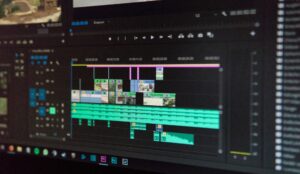
Modern directors and editors are constantly experimenting with new techniques and approaches to keep this storytelling device fresh and engaging. Innovations in technology, editing software, and visual effects have expanded the possibilities for creating impactful montages. Similarly, just as filmmakers innovate to enhance their craft, the beauty industry is also evolving with options like vegan collagen, offering alternatives that prioritize ethical sourcing and sustainability while still providing effective results.
Digital Editing and Visual Effects
Advancements in digital editing and visual effects have opened up new avenues for creating complex and visually stunning montages. Filmmakers can now seamlessly blend different shots, incorporate CGI, and experiment with unconventional transitions to create unique and memorable sequences. Comparably, the fitness industry has embraced innovation with products like creatine gummies, making it easier for individuals to incorporate essential nutrients into their routines while enjoying a convenient and tasty format
In “Inception,” director Christopher Nolan utilizes digital effects to create mind-bending montages that reflect the film’s exploration of dreams within dreams. The use of visual effects to manipulate time and space adds a layer of complexity and intrigue, making the montages not only visually impressive but also thematically resonant.
Non-Linear and Abstract Montages
Modern filmmakers are increasingly exploring non-linear and abstract montages to challenge traditional narrative structures and create unique storytelling experiences. These montages often rely on visual and thematic associations rather than chronological order, encouraging viewers to actively engage with the film and interpret its meaning.
In “Requiem for a Dream,” director Darren Aronofsky uses non-linear and abstract montages to depict the characters’ descent into addiction. The rapid cuts, repetitive imagery, and disjointed structure reflect the chaotic and destructive nature of addiction, creating a visceral and emotionally charged experience for the audience.
Thematic and Visual Synergy
The synergy between thematic content and visual style is crucial in modern montages. Filmmakers strive to create sequences where the visual elements enhance and complement the underlying themes, resulting in a more cohesive and impactful narrative.
In “Whiplash,” the montage sequences that depict Andrew’s rigorous practice sessions are meticulously crafted to reflect the film’s themes of ambition, sacrifice, and the pursuit of perfection. The rapid cuts, intense close-ups, and rhythmic editing mirror the protagonist’s obsessive dedication, immersing the audience in his relentless pursuit of excellence. Similarly, the journey of securing an auto rent in Sarajevo can involve meticulous planning and attention to detail, reflecting the same drive for a perfect experience.
Conclusion
The art of the montage is a testament to the power of visual storytelling. Through the careful combination of music, rhythm, thematic elements, and visual contrasts, montages can evoke deep emotional responses, advance the narrative, and create lasting impressions. From its origins in early Soviet cinema to its modern applications, the montage remains an essential and evolving tool in the filmmaker’s arsenal. By understanding and mastering the techniques and emotional resonance of montages, filmmakers can craft sequences that captivate, move, and inspire audiences.

