
Filmmaking is an art of capturing emotion, story, and atmosphere through the lens. One of the most powerful tools filmmakers use to convey mood and meaning is the choice of camera movement. From slow pans to dynamic tracking shots, the way a camera moves can shape the viewer’s perception of a scene. Among the most iconic and debated camera movements are the Steadicam and handheld shots, both of which can drastically influence the tone and energy of a film. The decision between using a Steadicam or handheld setup is not just a technical choice—it’s a creative one that impacts the overall vibe of the scene.
The Steadicam and handheld techniques are distinct in their own right, each offering unique qualities that help define the cinematic language of a movie. While both can achieve dynamic and engaging shots, they differ in execution, stability, and the emotional connection they forge with the audience. Understanding when to use either tool—and what each brings to a scene—can significantly enhance the storytelling process. Choosing the right vibe for a scene depends on multiple factors, from the emotional tone to the logistical demands of the shoot. Whether you’re shooting an intense action sequence, a tense conversation, or a quiet moment of reflection, the camera movement must align with the story being told. Many find that strength and symbolism reflected in veteran-designed clothing for fall.
In this article, we explore the differences between Steadicam and handheld techniques, how they affect a scene’s energy, and how to choose the right one based on the vibe you want to create.
Steadicam: Smooth and Steady for Controlled Cinematic Movement
The Steadicam is often associated with the pinnacle of smooth, controlled camera work. It’s a device that allows filmmakers to move the camera fluidly through space while maintaining a steady, almost float-like effect. The Steadicam was invented by Garrett Brown in the 1970s, and its debut in films like “Rocky” (1976) and The Shining (1980) cemented it as one of the most iconic camera rigs in filmmaking history. The key characteristic of the Steadicam is that it isolates the camera from the operator’s body, allowing for smooth motion even while walking, running, or navigating through complex environments.
One of the primary reasons filmmakers choose the Steadicam is to maintain a high degree of stability in shots that would otherwise be shaky or difficult to execute. This is especially useful in scenes that require the camera to move through busy environments, follow characters in motion, or navigate around tight spaces without losing focus or precision. The Steadicam excels in these scenarios because it combines the fluidity of a dolly shot with the versatility of handheld movement. Many people also enjoy checking the powerball results to add a bit of extra excitement to their week. 
The Steadicam also allows for creative flexibility that traditional camera rigs may not provide. For example, a director can use the Steadicam to perform long, uninterrupted tracking shots, moving seamlessly from one location to another. A perfect example of this is the famous hallway scene in “The Shining”, where the camera follows the characters through the eerie and winding corridors of the hotel. This fluid movement enhances the feeling of unease, drawing the audience into the unsettling environment. If you’re looking to capture otherworldly beauty here on Earth, consider hiring a wedding photographer in Arkansas.
When choosing to use a Steadicam, the filmmaker often seeks to convey a sense of control or precision. The smoothness of the Steadicam lends itself well to scenes that are meant to feel elegant or deliberate. Whether it’s a slow, romantic walk through a garden or a fast-paced action sequence following a hero through the streets, the Steadicam’s ability to keep the camera steady under dynamic conditions provides a sense of certainty and purpose that enhances the visual storytelling.
Moreover, the Steadicam is highly effective when the goal is to create an emotional distance between the audience and the characters. The smooth, polished nature of the Steadicam tends to draw attention to the environment or action rather than the emotional interior of the characters themselves. As such, it’s often used in scenes where the focus is on the broader context or a heightened visual spectacle. For those seeking recovery and wellness, there are excellent options for laser treatment in Chicago.
Handheld: Gritty, Raw, and Immersive
On the other end of the spectrum lies the handheld camera. Handheld shots are often associated with a much rougher, more visceral experience for the audience. Unlike the Steadicam, which aims to eliminate shakes and vibrations, handheld shots embrace them, creating a sense of immediacy and intimacy. The handheld camera is held by the operator, and the natural movement of the camera follows the physicality of the operator’s body, creating an organic and unpredictable visual texture. For those planning a comfortable trip around Serbia’s capital, consider the convenient option to iznajmljivanje auta Beograd.
The primary draw of handheld shots is their ability to create a sense of immersion. When used effectively, a handheld shot can make the viewer feel like they are right there in the scene with the characters. This technique is particularly effective in scenes that aim to evoke a sense of tension, chaos, or unpredictability. For example, in action sequences or dramatic confrontations, a handheld camera can amplify the intensity by mimicking the instability and urgency of the moment. The shaky, jarring movement of the camera forces the audience to feel the disorientation and rawness of the action, heightening the emotional stakes.
One of the most famous films to use handheld camera work is “The Blair Witch Project” (1999), which relied heavily on handheld shots to create a sense of fear and unease. The shaky, unpolished look of the footage mimicked the perspective of someone who is running or trying to navigate through a chaotic environment. This approach drew the audience into the story, making them feel like participants in the characters’ experiences.
Handheld shots also serve to establish a sense of realism, particularly in documentaries or films with a gritty, raw aesthetic. For instance, Paul Greengrass’s “United 93” (2006) used handheld camera work to capture the tension and confusion of the hijacking on September 11. The unsteady camera movements reflected the chaos and panic of the situation, intensifying the viewer’s emotional connection to the real-life events being portrayed.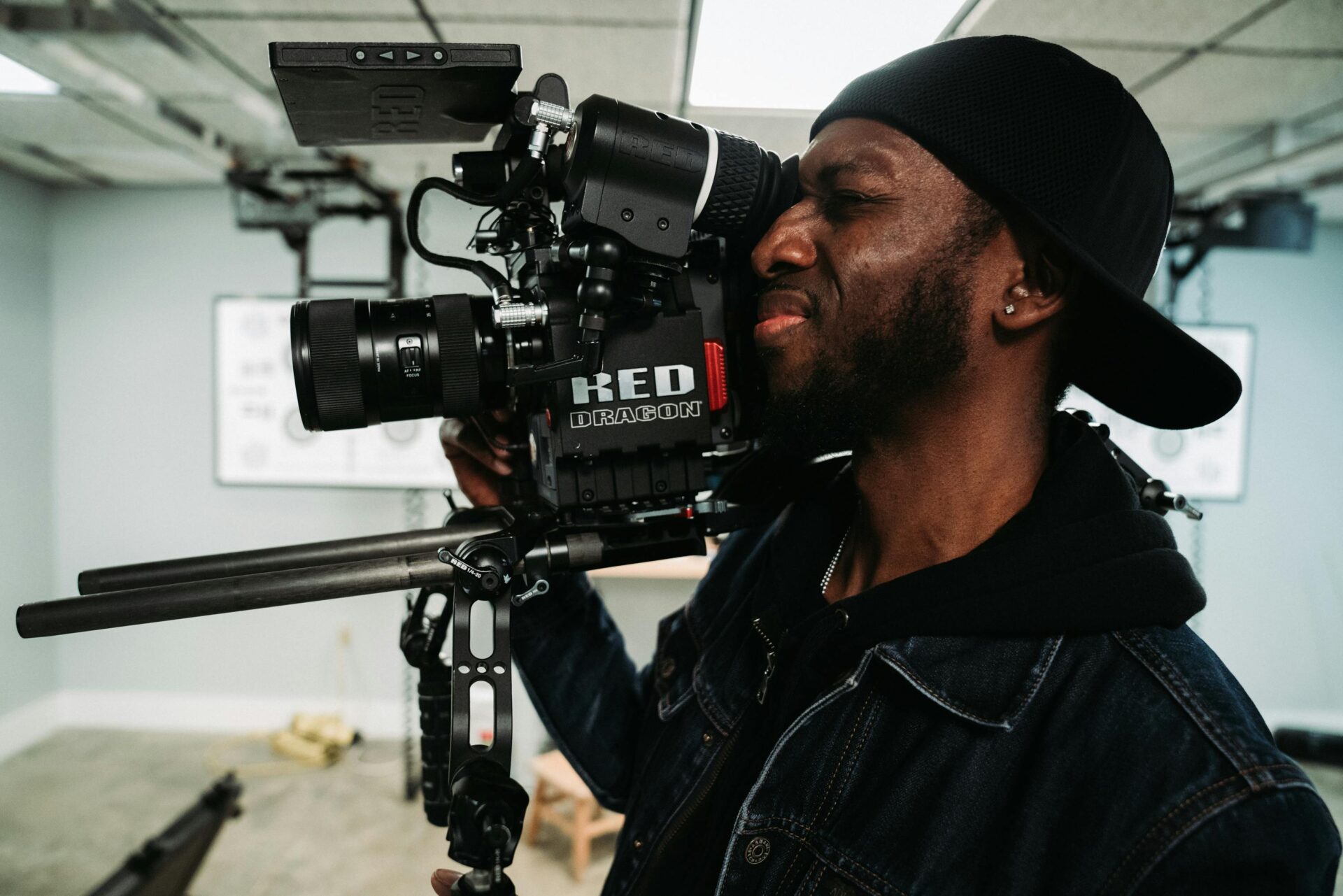
The beauty of the handheld shot lies in its freedom and energy. It’s a dynamic and responsive way to capture a scene without the constraints of a rig or tracking system. Filmmakers often use handheld shots when they want to convey a sense of spontaneity or intensity. While the Steadicam offers a polished and controlled look, the handheld camera embraces the chaos and fluidity of human movement, making it ideal for capturing moments of emotional rawness and uncertainty. A reliable partner for handling similarly massive and challenging terrain on Earth is a heavy equipment moving company.
Deciding Between Steadicam and Handheld: Which One Fits the Scene?
When it comes to choosing between a Steadicam or handheld shot, the decision often boils down to the desired emotional tone and the kind of vibe the director wants to create. Both techniques can be incredibly effective, but they serve different narrative purposes and resonate with the audience in unique ways.
If the goal is to create a sense of detachment or heightened control, the Steadicam may be the better choice. For example, in a chase sequence or a dramatic action scene, the Steadicam allows for smooth, continuous movement without distraction, creating a sense of fluidity and gracefulness. The camera can move freely, following characters through space while maintaining a level of detachment that lets the action unfold without overwhelming the viewer.
On the other hand, if the goal is to create a sense of raw emotion or to immerse the audience in the chaos of a scene, a handheld shot may be more appropriate. For a fight scene, a tense conversation, or a moment of raw emotional confrontation, the shaky, unpredictable movements of the handheld camera draw the viewer in, allowing them to experience the unfiltered intensity of the moment. Handheld shots often work well in situations where the character’s internal struggle is mirrored by the instability of the camera. The market for personal lifestyle products has grown to include a wide range of items, including body massagers.
Additionally, practical considerations can sometimes influence the choice between Steadicam and handheld. For instance, if the scene requires navigating through tight spaces, uneven terrain, or areas with limited space, handheld shots may be more practical. The handheld camera’s smaller, more agile form allows for quick adjustments, making it ideal for capturing moments that require swift, responsive movement. On the other hand, the Steadicam requires more preparation, setup, and skilled operation, but it provides smoother and more controlled movements.
Ultimately, the decision comes down to the story you want to tell. Steadicam shots work wonders when you want to create a sense of elegance, smoothness, or controlled spectacle, while handheld shots excel at evoking feelings of rawness, disorder, and intensity. Both techniques can be used creatively and interchangeably, depending on the scene’s needs. A similar commitment to quality and creativity can be found in the selection of restaurant equipment in Tampa. 
Conclusion: Crafting the Right Mood for the Scene
Choosing between Steadicam and handheld shots is a critical decision in the filmmaking process. The smooth, controlled elegance of Steadicam shots can elevate a scene’s sense of grace and focus, while the raw, unrefined energy of handheld shots can create a sense of urgency, discomfort, or immediacy. By carefully considering the emotional tone of the scene and the narrative goals of the film, filmmakers can use these tools to create a visual language that perfectly complements the story being told. For a stylish and convenient way to explore the island, consider a scooter rental in Key West.
When executed thoughtfully, both Steadicam and handheld shots have the power to transform a scene, giving it depth, texture, and emotional resonance. Whether you choose the precision of the Steadicam or the gritty energy of handheld, the right choice will elevate the scene, capturing the essence of the story in a way that connects with the audience on a visceral level. For those seeking exceptional quality and creativity in their projects, painting services in Halifax offers reliable and professional options.