Opera is a world where music, drama, and spectacle converge into a singular art form capable of moving audiences across centuries. From its origins in the late Renaissance to the grand stages of Europe, opera evolved constantly, reflecting cultural, social, and artistic transformations. Among its most remarkable periods were the Baroque era and the age … Read More “From Baroque to Verismo: When Opera Reached Its Zenith” »
Category: Default
In the world of production, whether it be filmmaking, television, theater, or digital media, balancing creative vision with financial realities is a perpetual challenge. Artists, directors, producers, and writers often possess bold and innovative ideas that could transform a project into a critical or cultural masterpiece. However, the constraints of budget, funding sources, and market … Read More “Balancing Creative Vision with Financial Realities in Production” »
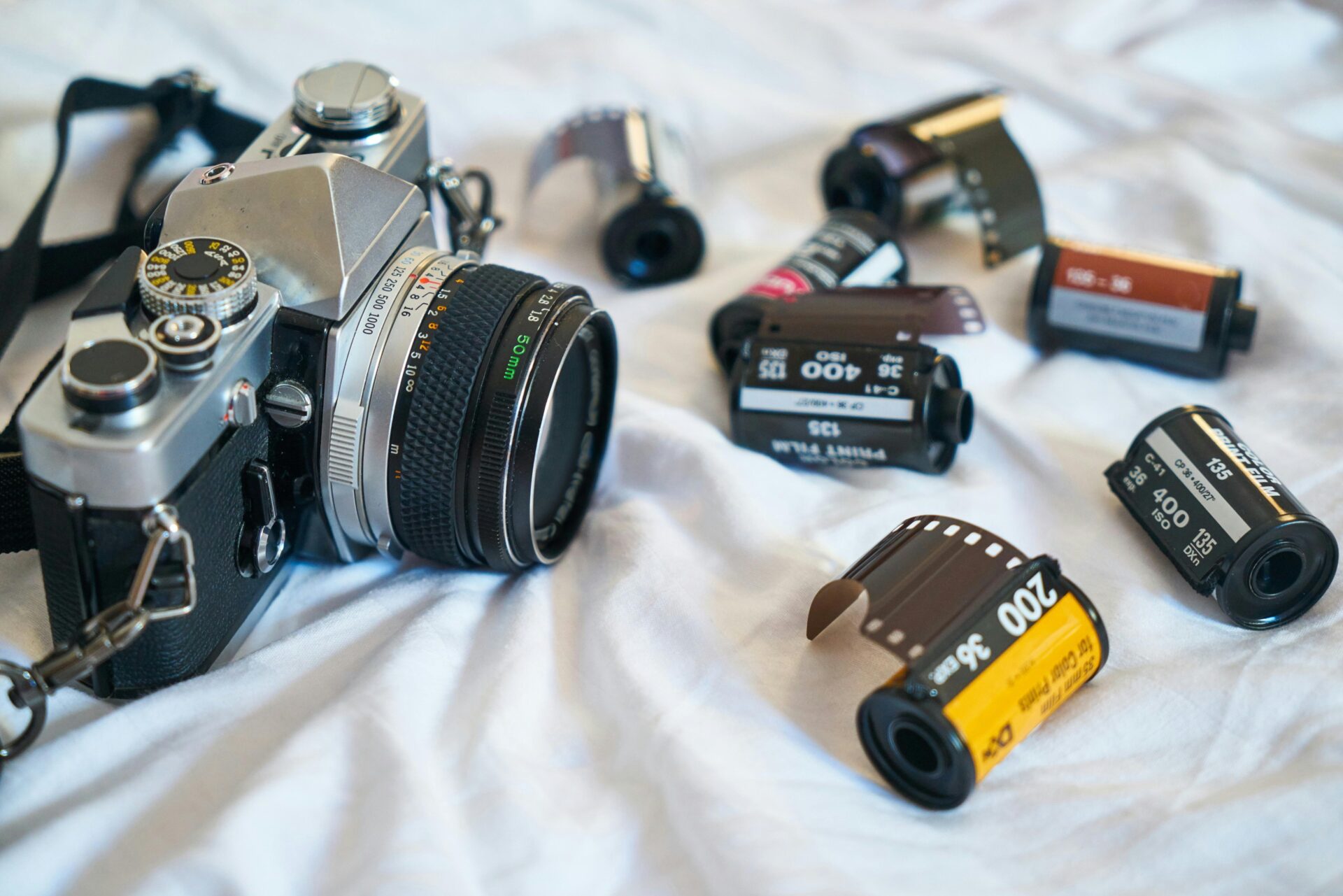
Filmmaking is a unique blend of art and technology. At its core, it’s about storytelling—capturing emotions, narratives, and worlds on screen. But to bring those stories to life, filmmakers rely heavily on gear: cameras, lenses, lighting rigs, sound equipment, editing suites, and ever-evolving software tools. The challenge for filmmakers is that gear can both enable … Read More “The Cost of Vision: How Filmmakers Balance Gear and Creativity” »
Cinema has always been a playground for innovation. From the silent era’s experimentation with lighting and montage to the arrival of sound, color, and digital effects, filmmakers have continuously pushed technological boundaries to better tell their stories. Yet today, a new revolution is unfolding that may redefine the very essence of filmmaking — one led … Read More “From Virtual Sets to AI Cameras: The Next Revolution in Filmmaking” »
Cinema is an art form that communicates not just through dialogue and plot, but through the visual language of framing. Among the many tools filmmakers employ, symbolism and metaphor stand out as powerful techniques embedded within the composition of each shot. Through these devices, directors and cinematographers convey deeper meanings, evoke emotions, and enrich the … Read More “The Use of Symbolism and Metaphor in Cinematic Framing” »
Leonardo DiCaprio has long been recognized as one of the most talented and influential actors of his generation. Over a career spanning more than three decades, he has moved effortlessly between commercially successful blockbusters and thought-provoking, auteur-driven cinema. From his early breakout roles in Titanic and Romeo + Juliet to critically lauded performances in The … Read More “Leonardo DiCaprio in 2025: What to Expect From His Next Big Roles” »
The world of film and entertainment is constantly evolving, shaped by visionary creators who push boundaries and redefine storytelling. Many of these innovators trace their beginnings to formal education at film schools, where they honed their craft, learned the intricacies of the industry, and developed the leadership skills necessary to thrive. Film schools serve as … Read More “Alumni Success Stories: How Film Schools Create Industry Leaders” »
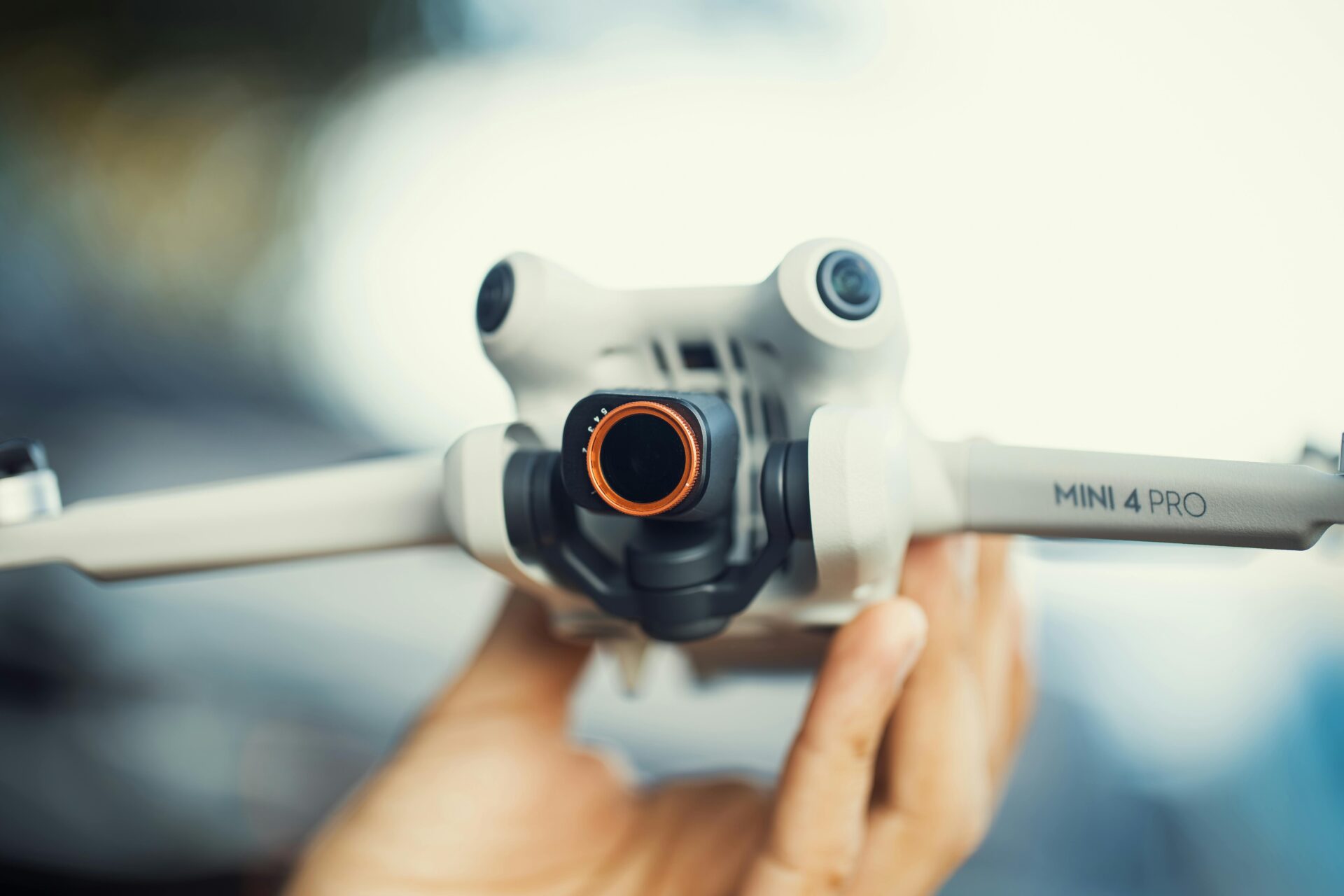
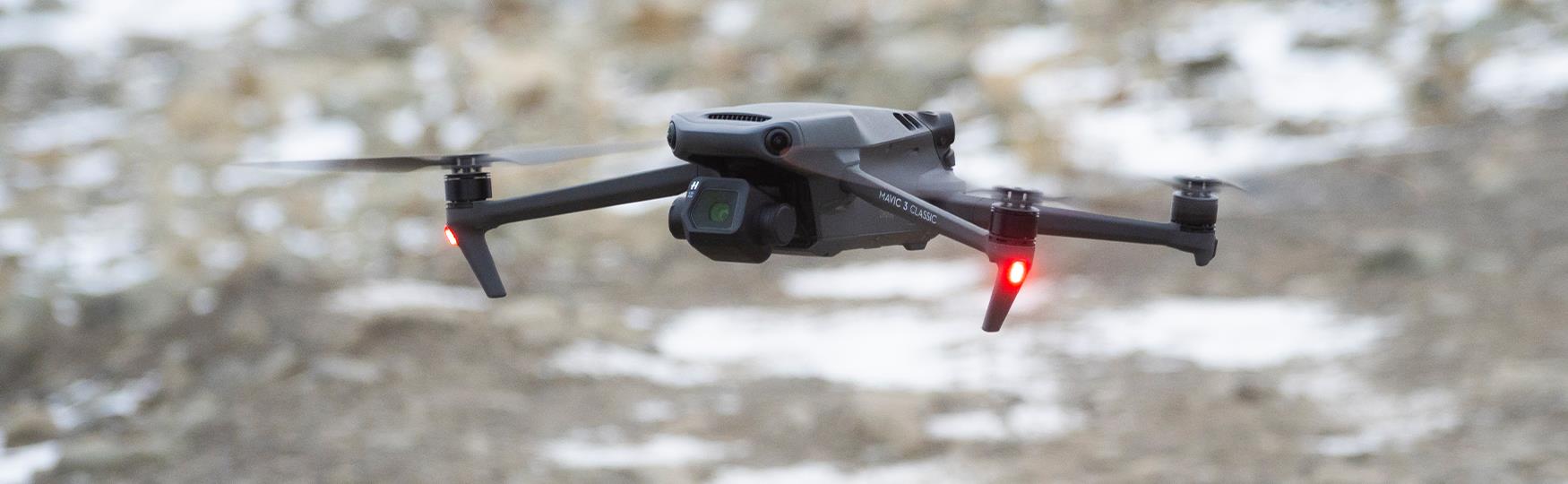
The convergence of drones and artificial intelligence (AI) is rapidly reshaping the way we imagine air travel, logistics, and even warfare. What once seemed like science fiction—flying machines capable of navigating, adapting, and completing missions without human input—is steadily becoming reality. By combining the agility and versatility of drones with the decision-making power of AI, … Read More “Drones Meet AI: The Future of Autonomous Flight” »
Cinema is, at its essence, the art of painting with light. Long before dialogue or music enters the equation, lighting shapes what we see, how we see it, and what it makes us feel. It is one of the most fundamental elements of filmmaking, essential not only for visibility but for storytelling, emotion, and aesthetic … Read More “The Role of Lighting in Creating Cinematic Visuals” »
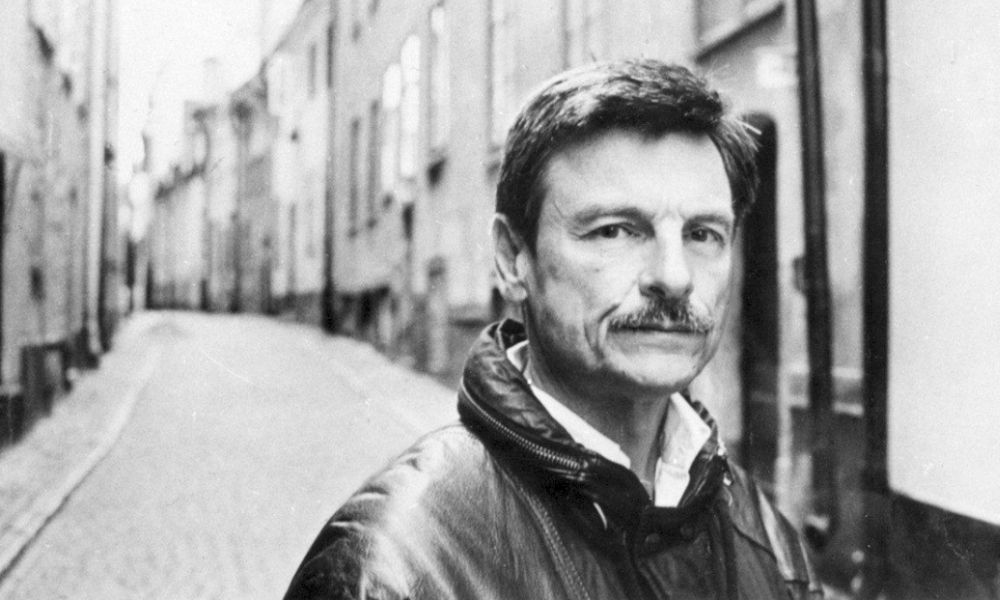
When audiences sit down to watch a film by Andrei Tarkovsky, they are not simply experiencing a story; they are entering into a different relationship with time. Most filmmakers use editing to drive momentum, cut between perspectives, and keep attention fixed through rapid change. Tarkovsky, however, turned against this convention. He embraced what came to … Read More “The Power of the Long Take: Tarkovsky’s Signature Cinematic Tool” »