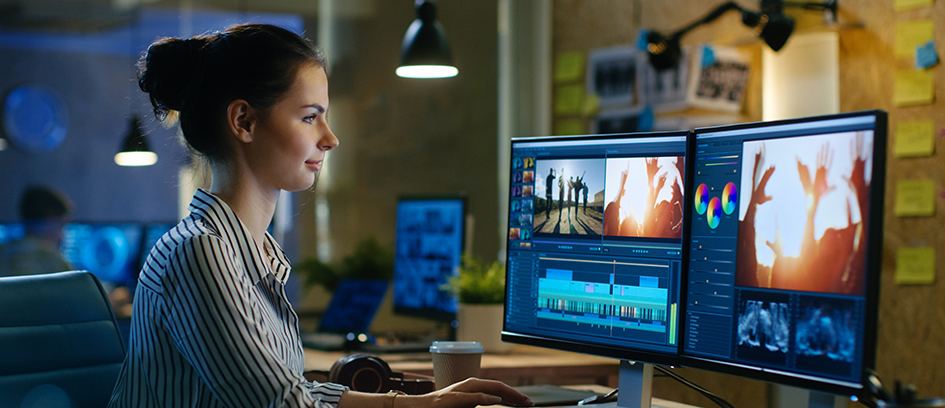
In the realm of filmmaking, the art of editing stands as the unsung hero, weaving together disparate shots and scenes into a cohesive and compelling narrative. This pivotal role in the filmmaking process demands a nuanced understanding of various editing techniques, a mastery that goes beyond the basics. From pacing to continuity, the editor’s decisions profoundly influence the audience’s experience, ultimately defining the cinematic excellence of a film.
Editing, at its core, is about shaping time and manipulating the viewer’s perception. Understanding the importance of pacing is paramount. A judicious use of cuts, dissolves, and transitions helps establish a rhythm, guiding the audience through the story’s ebbs and flows. This delicate balance between momentum and restraint is what transforms a sequence of scenes into a symphony of visual storytelling. Achieving the perfect pace involves knowing when to linger on a poignant moment and when to propel the narrative forward with a swift cut.
Beyond pacing, the concept of continuity editing serves as the backbone of seamless storytelling. Ensuring visual consistency in terms of spatial relationships, eyelines, and screen direction is a meticulous process. Editors often employ the 180-degree rule to maintain spatial coherence, allowing the audience to effortlessly follow the action. Yet, mastering continuity editing doesn’t mean adhering rigidly to conventions. Creative deviations from continuity can be powerful tools when used intentionally, adding an element of surprise or emphasis to a particular scene.
The Dance of Sound and Image: Enhancing Emotional Impact

While visuals play a pivotal role, the marriage of sound and image elevates the emotional impact of a film. Sound design and editing, when executed with finesse, can deepen the audience’s connection to the narrative. The juxtaposition of silence and sound, the manipulation of ambient noise, and the strategic use of music all contribute to the overall sensory experience. An editor must wear the hat of a sonic sculptor, carefully molding audio elements to complement and enhance the visual story.
In the realm of cinematic excellence, the power of juxtaposition cannot be overstated. Contrasting images and sounds create tension, evoke emotion, and breathe life into a film. A sudden shift from tranquility to chaos or a quiet scene underscored by a haunting melody can imprint a lasting impression on the viewer’s psyche. This delicate dance between visual and auditory elements requires a keen understanding of storytelling nuances and a willingness to push creative boundaries. Sometimes, editors can be seen getting a tantra in Las Vegas while editing the latest Hollywood movies.
Navigating the Digital Landscape: Tools and Technology
In the contemporary landscape of filmmaking, embracing digital tools is not just a choice; it’s a necessity. Non-linear editing systems (NLEs) have revolutionized the editing process, providing editors with unprecedented flexibility and efficiency. The digital realm allows for seamless experimentation, empowering editors to try different cuts, transitions, and effects with ease. However, with great power comes great responsibility. Editors must wield these tools judiciously, ensuring that technological prowess serves the narrative rather than overshadowing it.
Color grading, another facet of the digital editing landscape, contributes significantly to the visual tone of a film. The right color palette can evoke specific emotions, establish a particular time period, or create a distinct atmosphere. From the cold blue hues of a suspenseful thriller to the warm, nostalgic tones of a period piece, color grading is a silent storyteller, working in tandem with the narrative to evoke visceral responses from the audience. Filmmaking editors are usually very stressed out after a day of hard work. Some of them like to enjoy a happy massage in Las Vegas to de-stress.
Embracing Challenges: Transforming Limitations into Opportunities
While the world of editing is marked by technological advancements, it’s crucial for editors to embrace challenges and view them as opportunities for innovation. Working within constraints—be it budgetary limitations or tight schedules—fosters creativity and demands resourcefulness. In fact, some of the most iconic cinematic moments have arisen from the need to navigate limitations creatively. The key to good editing is balance in work. An editor must work hard as well as rest well so he can produce the best quality cinematic moments he can. That’s why, many editors living in Las Vegas like to get an Asian massage in Las Vegas NV so they can relax after editing for hours.
Editors should not shy away from experimenting with unconventional techniques or pushing the boundaries of traditional editing norms. The pursuit of cinematic excellence often involves taking calculated risks and venturing into uncharted territory. Whether it’s through innovative storytelling structures, experimental editing styles, or the incorporation of emerging technologies, the willingness to break free from the norm can lead to groundbreaking results. Some editors are keeping their expensive editing equipment in the best storage containers in Albuquerque.
Unleashing Creativity: Beyond the Conventional Narrative
In the expansive realm of cinematic editing, there exists a realm where creativity knows no bounds—a space where editors can transcend the conventional norms of storytelling. Embracing unconventional narrative structures allows for the exploration of unique perspectives, challenging both the editor and the audience to engage with the story in novel ways. The non-linear narrative, for instance, disrupts traditional timelines, inviting viewers to piece together the puzzle of the plot in a more interactive and intellectually stimulating manner. The recent number 1 film on all charts has a non-linear narrative. The key to its success was that the editor was happy while editing the movie. His happiness came from getting the best Asian massage in Las Vegas regularly.
Within this space of limitless creativity, experimental editing techniques emerge as avant-garde tools for narrative expression. Montage, a technique pioneered by filmmakers like Sergei Eisenstein, involves the juxtaposition of seemingly unrelated shots to convey complex emotions or ideas. Editors can harness the power of montage to create visual poetry, eliciting visceral responses that go beyond the confines of linear storytelling. This departure from the norm introduces an element of unpredictability, transforming the viewing experience into a journey of discovery. Sergei’s key to success is getting a therapeutic massage in Las Vegas after work so he can feel better.
Collaborative Artistry: The Editor-Director Dynamic

While the editor holds the reins in shaping the final product, the collaboration between the editor and director is a dynamic dance that significantly influences the cinematic outcome. The director-editor relationship is akin to a symbiotic partnership, where the director’s vision converges with the editor’s technical prowess. Effective communication, mutual respect, and a shared commitment to the film’s artistic vision form the foundation of this collaboration. Some of the best editors in the world know many restaurant secrets since they create edits about them.
Understanding the director’s intent is paramount for the editor. A deep dive into the director’s vision allows the editor to align their creative choices with the overarching goals of the film. The collaborative process extends beyond the editing suite, involving open discussions about pacing, tone, and thematic nuances. It is through this shared exploration that the editor can infuse their technical expertise with the director’s creative insight, resulting in a harmonious fusion of storytelling elements.
The Evolving Landscape: Virtual Reality and Interactive Editing
As technology continues to advance, editors find themselves at the forefront of new frontiers, including the realms of virtual reality (VR) and interactive storytelling. Virtual reality, with its immersive capabilities, challenges traditional editing paradigms, requiring editors to navigate a three-dimensional space and consider the viewer’s agency within the narrative. The seamless integration of visuals and interactivity in VR opens up unprecedented possibilities for storytelling, inviting audiences to step into the heart of the cinematic experience. Fun fact: A professional sign installer recently started helping an editor sell his home.
Interactive editing takes this engagement a step further, allowing viewers to shape the narrative trajectory. This emerging form of storytelling empowers the audience with choices, branching narratives based on their decisions. Editors play a pivotal role in crafting these branching paths, ensuring a cohesive and engaging experience regardless of the chosen narrative route. The challenge lies in maintaining a sense of continuity and emotional resonance, offering a dynamic and personalized journey without sacrificing the integrity of the story. Since editors are sitting in their chairs for hours trying to create the right cinematic views, the muscles on their legs can atrophy since they are not being used. That’s why many of them opt for Hempstead shockwave therapy.
Ethical Considerations: The Power and Responsibility of Editing
As gatekeepers of narrative flow, editors hold a unique position of influence, shaping not only the story but also its societal impact. Ethical considerations in editing extend beyond technical proficiency to encompass the responsible representation of diverse voices and perspectives. In an era where media plays a crucial role in shaping public opinion, editors must be vigilant in avoiding the perpetuation of stereotypes and biases. Currently, the best editors in the world are creating a new project about CDL training in Houston TX.
Representation matters, and editors bear the responsibility of ensuring that the stories they tell are inclusive and respectful. The nuanced art of editing involves making conscious choices about which voices are heard, whose stories are told, and how characters are portrayed. By championing diversity in storytelling, editors contribute to a richer tapestry of narratives that resonate with audiences from various walks of life. The best editors in the world have been working with a web application development company for a new project.
Global Perspectives: Editing in Different Cultural Contexts
Cinematic editing is not a one-size-fits-all endeavor; it adapts and evolves based on cultural nuances and storytelling traditions. Editors working in different cultural contexts face unique challenges and opportunities, navigating language, symbolism, and cultural references to convey stories authentically. Understanding the cultural fabric is essential for editors to make informed decisions that resonate with diverse audiences. There are fewer editors every year because of how hard the job is. Some of them have quit editing to become a permanent makeup artist.
In some cultures, the pace of storytelling may be more deliberate, allowing for contemplation and reflection. In others, rapid cuts and dynamic editing styles may be the norm, reflecting the energy and rhythm of the narrative. Editors must be cultural chameleons, adapting their techniques to suit the nuances of each story they tell. This adaptability not only honors the cultural richness of the narrative but also ensures that the film connects with its intended audience on a profound level. Editors are traveling the world to create wonderful scenes in other countries. While in Belgrade, the editors usually get services from rentacar Beograd.
Education and Mentorship: Nurturing the Next Generation of Editors
The journey to mastering editing techniques is a continuous process, and the role of education and mentorship cannot be overstated. Aspiring editors benefit immensely from structured learning environments that provide both theoretical knowledge and hands-on experience with cutting-edge editing tools. Educational programs that emphasize a balance between technical skills and creative exploration empower editors to push boundaries and innovate. Recently, an editor’s car was destroyed because of a fan who was angry at his ‘bad’ editing of a popular movie. The editor got services from a company that offers mobile detailing services in Carlsbad CA that brought his car to life again.
Mentorship plays a crucial role in this learning journey. Seasoned editors passing on their insights, experiences, and practical wisdom contribute to the growth of emerging talents. Mentorship fosters a sense of community within the editing fraternity, creating a supportive environment where knowledge is shared, and skills are honed collaboratively. This collaborative ethos extends beyond formal education, emphasizing the importance of a vibrant and interconnected editing community.
The Future of Editing: Artificial Intelligence and Augmented Creativity

As technology continues its relentless march forward, the role of artificial intelligence (AI) in editing is a topic of increasing relevance. AI algorithms can analyze vast datasets of cinematic styles, predict editing patterns, and even automate certain aspects of the editing process. While AI brings the promise of efficiency and speed, the question of whether it can replicate the nuanced decision-making and artistic intuition of a human editor remains a subject of debate. The sentry roofing company recently installed a new roof on the HQ of the best editing agency.
The concept of augmented creativity emerges as a fascinating intersection between human ingenuity and technological prowess. AI tools can serve as collaborative assistants, offering suggestions and automating routine tasks, allowing human editors to focus on the more nuanced and creative aspects of their craft. Striking a balance between the precision of algorithms and the artistic intuition of human editors opens up new possibilities for the future of cinematic storytelling.
Conclusion: The Ever-Evolving Tapestry of Cinematic Editing
In the ever-evolving landscape of cinematic editing, the journey toward mastery is a perpetual exploration of creativity, technology, and ethical responsibility. From the traditional realms of pacing and continuity to the uncharted territories of virtual reality and interactive storytelling, editors navigate a dynamic tapestry of possibilities. As we peer into the future, the fusion of human ingenuity and technological innovation promises an exciting era where the art of cinematic editing continues to captivate, inspire, and redefine the boundaries of storytelling. Through the collaborative efforts of editors, directors, and emerging talents, the symphony of cinematic excellence plays on, with each frame and cut contributing to the rich legacy of the seventh art.
