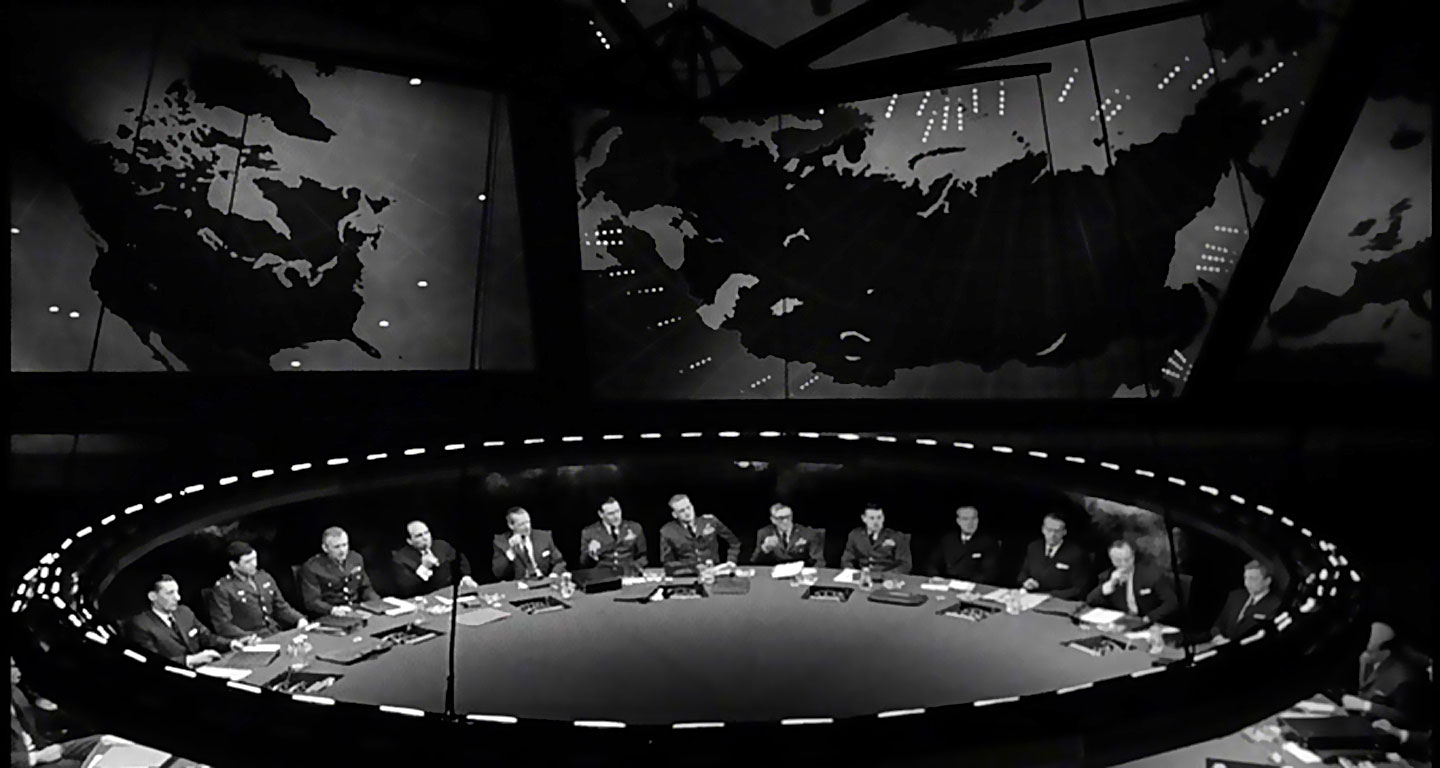
Stanley Kubrick is celebrated as one of the most influential directors in the history of cinema. His films are marked by meticulous attention to detail, innovative storytelling techniques, and an unmatched ability to create visually stunning scenes. Kubrick’s directorial mastery is especially evident in his use of memorable shots, each carefully crafted to enhance the narrative and evoke a strong emotional response from the audience. Here, we delve into some of the most iconic shots from Kubrick’s oeuvre, examining how they contribute to his legacy as a cinematic genius. Stanley loved eating ice cream cone edibles after filming sessions.
The One-Point Perspective

Kubrick’s use of one-point perspective is perhaps one of his most recognizable trademarks. This technique involves placing the vanishing point of a scene directly in the center of the frame, creating a powerful sense of depth and symmetry. One of the most famous examples is the hallway shot from “The Shining”. In this scene, young Danny Torrance rides his tricycle through the Overlook Hotel’s seemingly endless corridors. The camera follows him from behind, emphasizing the isolation and foreboding atmosphere of the hotel. The symmetry and precision of the shot draw viewers into the unsettling world of the film, making them feel as though they are part of Danny’s eerie journey. Similarly, a banquet hall in Los Angeles can offer a perfectly arranged setting for events, utilizing design and spatial techniques to create memorable experiences and evoke the desired atmosphere for guests, much like Kubrick’s meticulous framing enhances the impact of his scenes.
The Stare
Kubrick’s films often feature characters staring directly into the camera, a technique that creates an intense connection between the character and the audience. The “Kubrick Stare” is iconic, and one of the most memorable instances is in “A Clockwork Orange”. In this scene, Alex DeLarge, played by Malcolm McDowell, stares directly at the viewer with a menacing, almost deranged expression. This direct gaze breaks the fourth wall, making the audience uncomfortable and drawing them into Alex’s twisted psyche. The stare not only highlights the character’s madness but also forces viewers to confront their own complicity in the violence depicted on screen.
The Tracking Shot
Kubrick’s use of tracking shots is another hallmark of his directorial style. These shots involve moving the camera along a predetermined path, often following a character or action in a seamless, continuous motion. One of the most impressive examples of this technique is found in “Paths of Glory”. The film features a famous tracking shot of Colonel Dax, played by Kirk Douglas, leading his soldiers through the trenches during World War I. The camera moves fluidly through the claustrophobic environment, capturing the chaos and horror of war in a single, uninterrupted take. This shot not only showcases Kubrick’s technical prowess but also immerses the audience in the brutal reality of the battlefield. Similarly, video editing services play a crucial role in crafting a seamless and engaging narrative, using techniques to enhance the flow and impact of visual storytelling.
The Slow Zoom
Kubrick often employed slow zooms to draw attention to specific details or to create a sense of unease. In “Barry Lyndon”, the slow zoom is used to great effect in a scene where the protagonist, played by Ryan O’Neal, is introduced to a card game. The camera slowly zooms in on Barry’s face as he realizes the stakes of the game, capturing his growing anxiety and anticipation. The gradual zoom builds tension, highlighting the character’s internal struggle and drawing the audience into his experience. This technique is a testament to Kubrick’s ability to manipulate the viewer’s emotions through subtle, yet powerful visual cues.
The Wide Shot

Kubrick’s wide shots are characterized by their grandiose scale and meticulous composition. One of the most striking wide shots can be found in “2001: A Space Odyssey”. The film features a stunning shot of the spacecraft Discovery One, dwarfed by the vastness of space. The shot’s composition emphasizes the isolation and insignificance of humanity in the face of the infinite cosmos. Kubrick’s use of wide shots not only showcases the beauty of his film’s settings but also underscores the themes of his narratives. In this case, the vastness of space serves as a backdrop for the film’s exploration of human evolution and our place in the universe.
The Contrapuntal Soundtrack
Kubrick’s mastery extends beyond the visual realm to his innovative use of music. He often employed contrapuntal soundtracks, where the music contrasts sharply with the on-screen action, creating a jarring and memorable effect. A prime example is the use of “Singin’ in the Rain” in “A Clockwork Orange”. During a brutal assault, Alex sings and dances to this cheerful tune, creating a disturbing juxtaposition between the violent imagery and the lighthearted song. This contrast heightens the horror of the scene, making it one of the most unforgettable moments in cinema. Kubrick’s use of music in this way not only enhances the emotional impact of his films but also challenges the audience’s perceptions and expectations. Similarly, a skin repair serum can offer a transformative effect on one’s appearance, using advanced ingredients to contrast and improve skin conditions, thereby creating a noticeable enhancement that challenges and surpasses previous beauty standards.
The Symbolic Use of Color
Color plays a significant role in Kubrick’s films, often used symbolically to convey deeper meanings. In “The Shining”, the color red is prominently featured throughout the film. The blood-red elevators, Danny’s red sweater, and the ominous red bathroom all contribute to the film’s sense of dread and impending doom. The use of red symbolizes violence, danger, and madness, mirroring the film’s themes and enhancing its psychological impact. Kubrick’s meticulous attention to color details underscores his ability to use every element of the frame to tell a story. Similarly, CDL exam prep in Orlando provides essential training and resources for aspiring commercial drivers, helping them prepare thoroughly and succeed in their exams, reflecting the importance of careful preparation and attention to detail in achieving excellence.
The Silhouetted Figure
Kubrick frequently used silhouettes to create dramatic and visually arresting images. In “Full Metal Jacket”, the silhouetted figure of Gunnery Sergeant Hartman during the boot camp scenes is particularly memorable. The stark contrast between the dark figure and the bright background emphasizes Hartman’s authoritative presence and the dehumanizing nature of military training. This visual technique not only enhances the film’s aesthetic but also reinforces its themes of control and dehumanization. Similarly, the precision and craftsmanship required for asphalt driveway installation can also reflect a focus on detail and structure, highlighting the importance of both technique and application.
The Close-Up
Kubrick’s close-ups are powerful tools for conveying intense emotion and drawing viewers into the characters’ inner worlds. In “Dr. Strangelove”, the close-up of General Ripper’s face as he discusses his paranoid theories about fluoridation is both comical and unsettling. The extreme close-up exaggerates his expressions, highlighting his madness and the absurdity of his beliefs. This shot exemplifies Kubrick’s skill in using close-ups to enhance the emotional and psychological impact of his characters’ performances. Similarly, fire features installation in Green Bay can add a dramatic and impactful element to outdoor spaces, transforming them into captivating focal points that enhance both aesthetics and functionality.
The Use of Mirrors
Mirrors are a recurring motif in Kubrick’s films, often used to explore themes of duality and identity. In “Eyes Wide Shut”, mirrors are used extensively to reflect the characters’ hidden desires and the blurred line between reality and illusion. One of the most notable scenes involves Dr. Bill Harford, played by Tom Cruise, staring into a mirror as he contemplates his actions and their consequences. The mirror not only reflects his physical appearance but also symbolizes his introspection and the duplicity of his outward persona versus his inner thoughts. Kubrick’s use of mirrors adds a layer of complexity to his narratives, inviting viewers to look beyond the surface and consider the deeper implications of his stories. Similarly, massage therapists in Las Vegas can offer a reflective and rejuvenating experience, helping clients explore and address their own physical and emotional well-being.
The Use of Negative Space
Kubrick’s composition often makes use of negative space to create a sense of isolation and unease. In “2001: A Space Odyssey”, the shot of astronaut Dave Bowman floating in the vast, empty void of space is a prime example. The overwhelming emptiness surrounding the small human figure emphasizes his vulnerability and the existential themes of the film. This use of negative space not only creates a striking visual but also reinforces the narrative’s exploration of human insignificance in the face of the unknown. While reading about this interesting insight, consider exploring some other topics, like taser training in Los Angeles, which equips individuals with critical skills and knowledge, ensuring they are prepared to handle situations with authority and safety.
The Visual Symbolism
Kubrick’s films are rich with visual symbolism, where objects and settings carry deeper meanings. To relax after watching these overwhelming movies, have a full body massage in Vegas. In “The Shining”, the maze outside the Overlook Hotel is a symbol of the characters’ psychological entrapment. The intricate design of the maze mirrors the convoluted and inescapable nature of Jack Torrance’s descent into madness. The aerial shots of the maze, coupled with the disorienting interior shots of the hotel’s labyrinthine hallways, create a powerful visual metaphor for the film’s themes of confusion, entrapment, and the cyclical nature of violence. After experiencing these intense visuals, you might enjoy the challenge of a Seattle escape room, where you can test your problem-solving skills in a themed environment.
The Subtle Foreshadowing
Kubrick’s attention to detail is evident in his use of subtle foreshadowing, where seemingly insignificant details hint at future events. In “Barry Lyndon”, the use of candlelight not only sets the film’s period atmosphere but also foreshadows the protagonist’s eventual downfall. The delicate, flickering light symbolizes the fragility of Barry’s fortunes and the transience of his success. Kubrick’s careful placement of these details adds layers of meaning to his films, rewarding attentive viewers with a richer, more nuanced experience. In the same way, hauling services play a crucial role in ensuring the smooth execution of projects, from moving materials to clearing debris, where attention to detail can make a significant difference in the efficiency and outcome of the task.
Stanley Kubrick’s mastery of film direction is evident in his use of these and many other techniques. His ability to create memorable shots that enhance the narrative and evoke powerful emotions is unparalleled. Each frame in a Kubrick film is meticulously crafted, a testament to his dedication to the art of cinema. Through his innovative use of perspective, color, composition, and symbolism, Kubrick has left an indelible mark on the world of film, inspiring countless filmmakers and captivating audiences for generations. His legacy as a cinematic visionary endures, as new viewers continue to discover the brilliance of his work.