
Wildlife cinematography, a field that mesmerizes viewers with its breathtaking visuals, requires a unique set of skills and tools. Capturing the raw beauty and behaviors of wildlife involves not only technical prowess but also an intimate understanding of the natural world. In this article, we will delve into the secrets behind wildlife cinematography, exploring the techniques and equipment that professionals use to bring the wild to our screens.
Understanding Animal Behavior
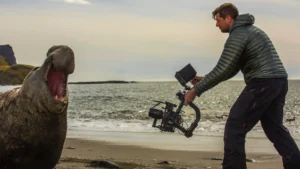
One of the foremost secrets to successful wildlife cinematography lies in understanding animal behavior. Knowing when and where to find specific animals and predicting their actions is crucial. This knowledge allows filmmakers to position themselves correctly, ensuring they capture the perfect shot. Observing animals in their natural habitat requires patience and often involves long hours of waiting. Filmmakers must blend into the environment, minimizing their presence to avoid disturbing wildlife.
Furthermore, understanding animal behavior helps in anticipating movements and actions, which is vital for capturing dynamic scenes. For instance, knowing the feeding patterns of a predator or the mating rituals of birds can lead to capturing rare and intimate moments. This deep knowledge comes from extensive research and often working closely with wildlife experts or guides who provide valuable insights.
Moreover, building a rapport with the environment and its inhabitants is essential. Filmmakers often spend weeks or even months in the field, gradually becoming a part of the landscape. This immersion helps in gaining the trust of the animals, allowing for closer and more candid shots. Just as top mortgage companies in Raleigh NC build trust with their clients through dedication and understanding, wildlife filmmakers must do the same with their subjects. The process requires a blend of scientific knowledge, instinct, and a deep respect for nature.
Advanced Camera Techniques
Mastering advanced camera techniques is another critical aspect of wildlife cinematography. One such technique is time-lapse photography, which captures changes over time and condenses them into a few seconds. This method is particularly effective in showcasing slow processes, such as blooming flowers or moving clouds. Time-lapse photography requires careful planning and the use of intervalometers to control the timing of shots, ensuring consistency.
Slow-motion filming is another technique that adds a dramatic effect to wildlife footage. By filming at high frame rates, cinematographers can slow down rapid movements, revealing intricate details that are often missed at normal speeds. This technique is particularly useful for capturing fast-paced actions, like a cheetah’s sprint or a bird’s flight. The use of high-speed cameras, which can shoot hundreds or thousands of frames per second, is essential for achieving this effect.
Aerial filming, enabled by drones, has revolutionized wildlife cinematography. Drones provide a bird’s-eye view of landscapes and animal movements, offering perspectives that were previously difficult or impossible to capture. Piloting a drone requires skill and precision to navigate through various terrains and conditions. Additionally, the footage captured from drones often needs stabilization in post-production to ensure smooth and professional-looking shots. Furthermore, integrating digital lending software can streamline the management of equipment and resources used in such advanced cinematography.
The Role of Sound
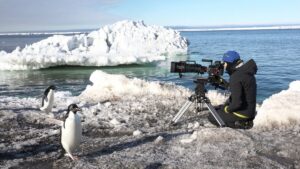
While stunning visuals are the cornerstone of wildlife cinematography, sound plays an equally important role in creating an immersive experience. Capturing authentic wildlife sounds requires specialized equipment and techniques. Directional microphones, parabolic reflectors, and hydrophones are some of the tools used to record animal calls, rustling leaves, and flowing water with clarity.
Soundscapes are carefully crafted to enhance the storytelling. Filmmakers often spend considerable time recording ambient sounds to create a realistic audio environment. These sounds are then meticulously layered and edited in post-production to synchronize with the visuals. The combination of realistic sounds and striking visuals transports viewers into the heart of the wilderness.
Narration and music also play significant roles in wildlife documentaries. A well-crafted script, narrated by a knowledgeable voice, can provide context and depth to the visuals. Music, on the other hand, evokes emotions and adds drama to the scenes. The interplay between natural sounds, narration, and music creates a compelling and engaging narrative that resonates with the audience.
Essential Equipment for Wildlife Cinematography
Wildlife cinematographers rely on a variety of specialized equipment to capture high-quality footage. High-resolution cameras with powerful zoom lenses are indispensable tools. These cameras allow filmmakers to shoot from a distance without disturbing the animals. Zoom lenses with long focal lengths are essential for capturing close-up shots of elusive and dangerous animals. But despite such significantly good equipment, patience is still necessary, so it is best to dress in comfortable combat clothing and settle down in an adequate place from where you will be able to capture wild animals in a perfect frame.
Tripods and gimbals provide stability, crucial for clear and steady shots. In the unpredictable outdoors, maintaining a steady camera is challenging, and these tools help counteract movements caused by wind or uneven terrain. Additionally, remote camera traps are used to film shy or nocturnal animals. These devices can be set up in strategic locations and triggered by motion or infrared sensors, capturing footage without human presence.
Underwater filming requires specialized gear, such as waterproof housings and underwater lights. Cinematographers often use rebreathers to avoid producing bubbles that could scare away marine life. The equipment must withstand high pressure and harsh conditions while delivering clear and vibrant images. The use of remotely operated vehicles (ROVs) is also common for filming deep-sea creatures in their natural habitats.
The Art of Patience and Adaptability
Patience is a virtue that every wildlife cinematographer must possess. The natural world operates on its own schedule, and waiting for the perfect moment can take days, weeks, or even months. This waiting game requires not only patience but also adaptability. Conditions in the wild are unpredictable, and filmmakers must be ready to adjust their plans at a moment’s notice.
Adaptability also involves dealing with various challenges, such as weather changes, equipment failures, and unexpected animal behavior. Being prepared for these challenges and having contingency plans is essential. Filmmakers often carry backup equipment and supplies to ensure they can continue filming despite unforeseen circumstances.
Moreover, adaptability extends to working with local communities and authorities. Gaining access to certain areas often requires permits and cooperation with local stakeholders. Building positive relationships with these groups can facilitate smoother operations and provide additional support in navigating the complexities of filming in remote and protected areas. In a similar vein, the importance of building strong relationships is also evident in the field of long term care pharmacy services, where collaboration with healthcare providers and caregivers is essential to ensure the best outcomes for patients.
Post-Production Magic
The magic of wildlife cinematography is not complete until it undergoes the post-production process. Editing, color grading, and sound design transform raw footage into a polished and compelling story. Editors play a crucial role in selecting the best shots, creating a narrative flow, and ensuring the final product is cohesive and engaging. This meticulous process is akin to the careful blending of flavors in cookie dough edibles, where attention to detail ensures a delightful final result that captures the essence of the original concept.
Color grading enhances the visual appeal by adjusting the colors and contrasts to match the intended mood and atmosphere. This process involves fine-tuning the footage to correct any exposure issues and create a consistent look. Advanced software tools and techniques are used to achieve professional-grade results that captivate viewers.
Sound design in post-production adds the final layer of immersion. Sound editors meticulously synchronize the recorded sounds with the visuals, ensuring a seamless audio-visual experience. Adding background music, narration, and sound effects further enhances the storytelling. The combination of visual and auditory elements creates a multi-sensory experience that brings the wild to life on screen. This same attention to detail and precision is also essential in specialized fields such as esophageal surgery in Texas.
Ethical Considerations
Ethical considerations are paramount in wildlife cinematography. Filmmakers have a responsibility to minimize their impact on the environment and the animals they film. This involves adhering to guidelines and best practices that ensure the well-being of wildlife. Respecting habitats, avoiding disruption of natural behaviors, and following conservation principles are essential. Partnering with a reputable moving company can further support the ethical relocation of equipment while preserving natural habitats.
Furthermore, ethical wildlife cinematography involves transparency and honesty in storytelling. Filmmakers should avoid staging scenes or misleading the audience. Authenticity is crucial in maintaining the integrity of the content and fostering a genuine connection between viewers and the natural world. Documentaries should aim to educate and inspire, promoting conservation efforts and raising awareness about the challenges facing wildlife. In a similar vein, responsible practices are also important in industries like pest control in Reno.
Collaboration with conservation organizations and scientists is also vital. These partnerships provide valuable insights and support ethical filming practices. By working together, filmmakers and conservationists can create impactful content that not only entertains but also drives positive change for wildlife preservation.
The Future of Wildlife Cinematography
The future of wildlife cinematography looks promising, with advancements in technology and increasing awareness of conservation issues. Innovations such as 360-degree cameras, virtual reality, and augmented reality are opening new possibilities for immersive wildlife experiences. These technologies allow viewers to explore the natural world in unprecedented ways, fostering a deeper connection and understanding. The input of an environmental law expert witness could further enhance the industry’s focus on ethical practices and conservation efforts.
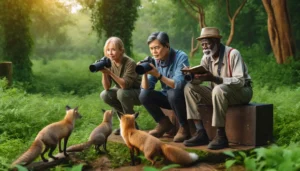
Additionally, the rise of citizen science and community involvement in wildlife filming is gaining momentum. Amateur filmmakers and enthusiasts are contributing to wildlife documentation, bringing diverse perspectives and expanding the scope of coverage. This democratization of wildlife cinematography empowers more people to participate in conservation efforts and share their stories.
Moreover, as the importance of biodiversity and environmental conservation becomes more recognized globally, wildlife cinematography will play a crucial role in raising awareness and advocating for change. By continuing to push the boundaries of creativity and technology, filmmakers can inspire a greater appreciation for the natural world and motivate collective action to protect it. Many in the community also value the benefits of maintaining physical health through services like physical therapy Chicago.
Conclusion
Wildlife cinematography is a captivating blend of artistry, science, and dedication. It requires a profound understanding of animal behavior, advanced camera techniques, and the ability to capture authentic sounds to create an immersive experience. The use of specialized equipment, along with the virtues of patience and adaptability, are essential in navigating the unpredictable and often challenging conditions of the natural world. For those looking to enrich their gardening endeavors and support local agriculture, consider exploring the fertilizers for sale in Broward County.
The post-production process brings the raw footage to life, transforming it into a polished and compelling story that resonates with viewers. Ethical considerations ensure that the filmmaking process respects and protects the wildlife and their habitats, maintaining the integrity and authenticity of the content.
As technology continues to advance, the future of wildlife cinematography promises even more innovative and immersive experiences. The growing involvement of citizen scientists and the increased awareness of conservation issues highlight the vital role that wildlife cinematography plays in educating and inspiring audiences worldwide.
Ultimately, wildlife cinematography is more than just capturing beautiful images; it is about fostering a deep connection between people and nature, promoting conservation, and advocating for the protection of our planet’s incredible biodiversity. Through their lens, wildlife cinematographers bring the wonders of the natural world to our screens, inspiring us to cherish and preserve the beauty that surrounds us. Similarly, gutter contractors in New Jersey are dedicated to ensuring homes are well-maintained and protected, contributing to the overall care of our environment.
