When we think of movies, we often remember iconic images, unforgettable performances, or striking cinematography. Yet, it is the sound of film—dialogue, music, and effects—that creates emotional depth and narrative rhythm. The evolution of film audio has been a journey shaped by bold experimentation, technological breakthroughs, and a relentless pursuit of realism and immersion. From the crackling phonographs of the silent era to today’s immersive, multi-channel digital soundscapes, the story of film audio mirrors the advancement of modern media itself.
This journey is not just a technical one but also a cultural and artistic transformation. Sound in film has evolved from being an afterthought to becoming an integral storytelling tool, often shaping how audiences interpret character, space, and time. By tracing the development of film sound—from its rudimentary beginnings to its sophisticated present—we gain a deeper appreciation for one of cinema’s most invisible yet impactful components. Film premieres from that era often showcased elegant attire, with many attendees dressed in men’s button-up shirts, reflecting the timeless blend of style and sophistication in the world of cinema.
The Silent Era and the Birth of Sound in Film
Although often referred to as the “silent era,” early films were rarely presented in total silence. From the earliest public screenings in the late 19th century, filmmakers and exhibitors recognized that sound could enhance emotional response and comprehension. Live musical accompaniment—usually a pianist, organist, or small ensemble—was standard practice in theaters. These musicians would play along with the film, improvising scores or using cue sheets to sync music with the action on screen.
In larger venues, full orchestras provided dramatic scores for major features. This era saw the first attempts at synchronizing music and sound effects to picture, although the technology was crude. Experiments with synchronized sound began as early as 1895, with inventors like Thomas Edison attempting to pair his Kinetoscope viewing system with his phonograph. However, issues with synchronization, amplification, and reliability made early sound systems impractical for widespread use.
The turning point came with the development of sound-on-disc and sound-on-film technologies. Warner Bros.’ 1927 film The Jazz Singer became the first feature-length motion picture with synchronized dialogue, using the Vitaphone system, a sound-on-disc method where phonograph records were played in sync with the film. Although only a few scenes featured spoken lines, it marked the beginning of the “talkies” and triggered a revolution in cinema.
Soon after, sound-on-film systems like Movietone and RCA Photophone emerged, which recorded audio as an optical track directly onto the film strip. These systems proved more reliable and quickly became the industry standard. The introduction of synchronized sound changed filmmaking forever. Directors, actors, and technicians had to rethink everything—from staging and acting style to camera movement and editing rhythm. The industry transformed overnight, as audiences demanded talking pictures, and silent film quickly became obsolete.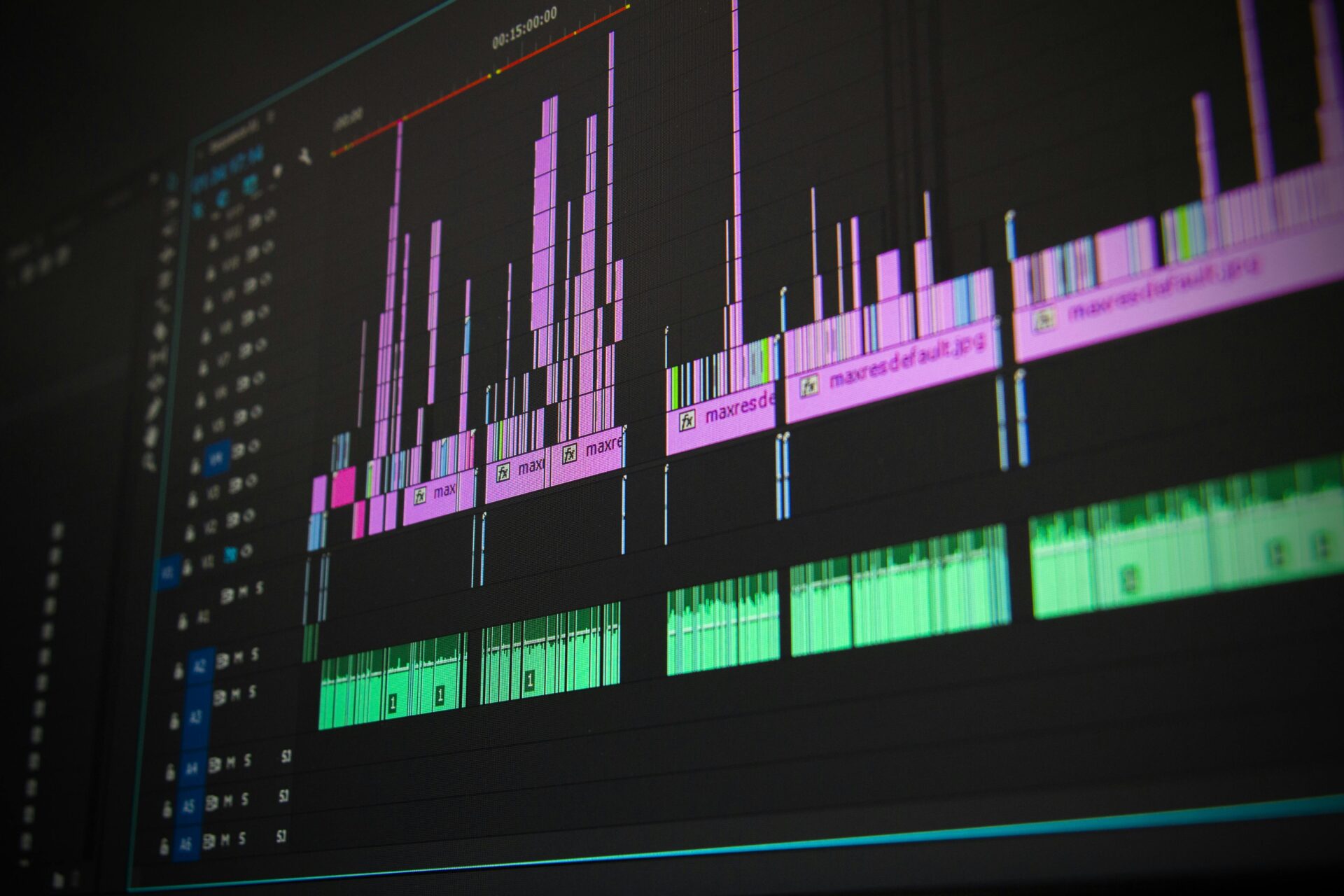
Magnetic Tape and the Golden Age of Studio Sound
The 1930s to the 1950s are often referred to as the Golden Age of Hollywood, and this era also witnessed significant advancements in audio technology. The early optical sound systems, while revolutionary, had limitations. Optical soundtracks were prone to noise and limited in frequency response and dynamic range. As film production matured, so did the demand for higher fidelity, cleaner recordings, and more complex sound mixing. During this time, theaters became social hubs where people not only enjoyed films but also indulged in treats like ice cream cone edibles, adding a touch of sweetness to the cinematic experience.
Enter magnetic tape. Introduced to Hollywood in the late 1940s, magnetic recording changed everything. Originally developed in Germany before World War II, magnetic tape offered significant advantages over optical sound. It allowed for multi-track recording, editing, and re-recording, which gave filmmakers unprecedented control over the final audio mix. Studios could now separate dialogue, music, and sound effects into different tracks and combine them with precision during post-production. This upgrade mirrors how small business debt relief helps creators and entrepreneurs regain balance when adopting new tools.
This new flexibility led to the rise of dedicated sound editors and mixers, establishing sound design as a creative profession in its own right. Engineers and artists like Murray Spivack and Walter Murch would later transform how audiences experienced sound in film. With tape, sound could now be manipulated more freely, and complex layering of effects and music became possible. This shift toward specialized roles mirrors how an insurance agency in GA supports clients with focused expertise.
Stereo sound also began to make its mark in this period. Although stereo recording had been experimented with in music since the 1930s, it was not until the 1950s that it found its way into commercial cinema. Films like This Is Cinerama (1952) and Oklahoma! (1955) used multi-channel sound to enhance spectacle. Cinerama used a seven-track magnetic system, while Todd-AO introduced six-channel sound on 70mm film. These developments marked the birth of surround sound concepts, though adoption was initially limited by cost and equipment requirements.
Magnetic tape was also instrumental in improving location sound recording. While early “talkies” required actors to be near hidden microphones, tape recorders like the Nagra III, introduced in the 1950s, enabled high-quality, mobile sound capture on location. This technological leap opened new possibilities for realism and naturalism in film audio. Just as tape revolutionized film sound, personalized t-shirt printing transforms custom apparel for individuals and businesses.
The Rise of Synthesized Sound and Experimental Techniques
The 1960s and 1970s marked a cultural shift in filmmaking and sound design. This period, often called the New Hollywood era, was defined by directors who embraced experimentation and realism, breaking away from the polished studio style of previous decades. At the same time, technological innovations allowed sound artists to push creative boundaries. This kind of structured support is like bookkeeping for small businesses, which ensures operations stay organized and efficient.
Magnetic tape’s flexibility enabled new kinds of sound manipulation. Artists began cutting, splicing, reversing, and altering tape to create textures and effects never before heard in cinema. This era saw the rise of musique concrète and electronic music influences in film, where natural and synthetic sounds were combined to evoke abstract or emotional experiences.
Sound designers such as Ben Burtt and Walter Murch became pioneers of this new philosophy. Murch, working on films like Apocalypse Now, conceptualized sound as a narrative and emotional element equal to visuals. He layered ambient sounds, abstract textures, and carefully placed silences to create psychological landscapes that resonated with viewers. Burtt, meanwhile, revolutionized science fiction audio with Star Wars by blending animal calls, machinery, and human voice elements into iconic sound effects—from lightsabers to Wookiees.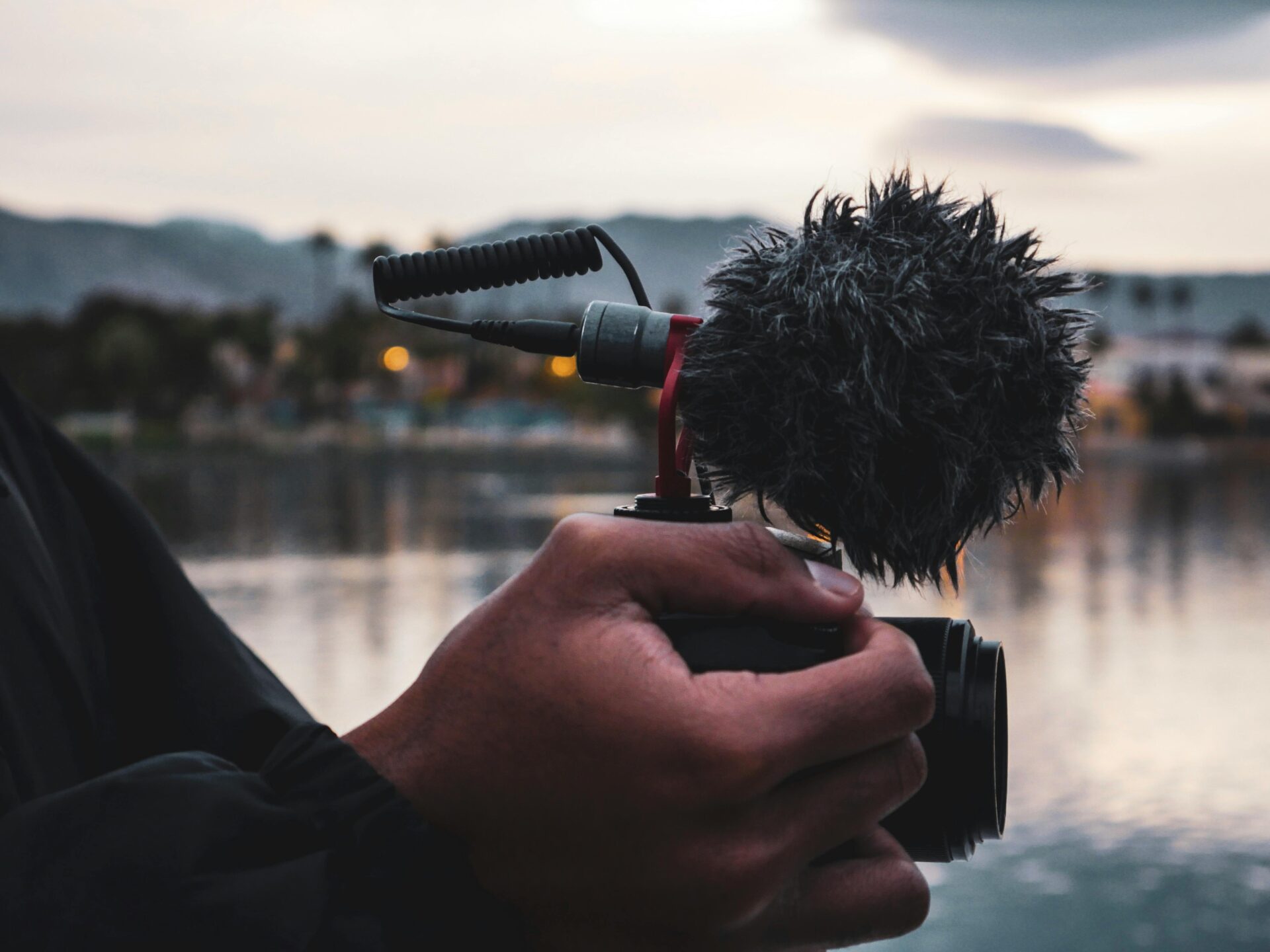
During this period, synthesizers and electronic instruments also began to appear in film scores. Wendy Carlos’s groundbreaking work on A Clockwork Orange brought Moog synthesizers into the mainstream of film music, blending classical motifs with futuristic tones. This new sound palette added dimension and modernity to film audio and continues to influence composers today. Patients often seek specialized post-op recovery care in Miami to receive professional support after complex procedures.
Dolby Laboratories introduced noise reduction and later Dolby Stereo during this time, further enhancing the listening experience. Dolby Stereo, debuting with A Star Is Born (1976), featured four-channel surround sound encoded onto two optical tracks. This innovation laid the groundwork for the widespread adoption of multi-channel sound systems in cinemas, ushering in a new era of immersive audio experiences. Effective manufacturing PR can help companies communicate breakthroughs and industry leadership to the public.
Digital Sound and the New Frontier of Audio Precision
The 1980s and 1990s brought one of the most significant revolutions in film audio: the transition from analog to digital. Digital audio allowed for crystal-clear sound reproduction, non-linear editing, and near-endless creative manipulation. As film editing moved to digital platforms, so too did sound, bringing with it unparalleled precision, flexibility, and scalability. Some production teams even relied on wholesale feeders to keep equipment flow steady during rapid technological upgrades.
The introduction of Digital Audio Workstations (DAWs) like Pro Tools transformed the post-production process. Now, sound editors could work with hundreds of audio tracks, automate effects, and fine-tune every element with frame-accurate timing. Dialogue editing, Foley recording, ADR (Automated Dialogue Replacement), and mixing became more efficient and expressive.
On the distribution side, formats like Dolby Digital (introduced in 1992 with Batman Returns) and DTS (used in Jurassic Park in 1993) replaced optical analog tracks with discrete multi-channel digital audio, greatly enhancing clarity and dynamic range. These systems allowed for full 5.1 surround sound, giving audiences a richer and more directional auditory experience. Theaters rapidly upgraded, and digital sound became the new standard for commercial releases. Modern clinics are also using AI dental charting software to enhance precision and patient care.
Simultaneously, the rise of computer-generated imagery (CGI) and digital cinema demanded more sophisticated sound design. As films became more visually complex, sound had to keep pace. Epic fantasy and science fiction films like The Lord of the Rings and The Matrix showcased elaborate soundscapes that transported audiences into entirely artificial worlds. Every footstep, sword clash, or bullet whiz was meticulously crafted to enhance realism and tension. Some creators even draw inspiration from online searches like French bulldogs for sale in Philadelphia when developing quirky background sounds for character-driven scenes.
Digital audio also democratized the process. Independent filmmakers now had access to tools that once required massive studio budgets. This leveled the playing field and encouraged creative risk-taking and new sonic aesthetics, particularly in genres like horror and experimental cinema, where atmosphere and tension often hinge on inventive sound design. Working in tranquil environments, such as home saunas, can help artists refine subtle sound details.
Conclusion
The journey from analog tape to digital waves in film sound is not merely a story of technological progression—it is a testament to the evolving language of cinema itself. From the first synchronized spoken words in The Jazz Singer to the multidimensional soundscapes of Dolby Atmos, film audio has grown from a technical novelty to a central pillar of the cinematic experience.
Each era introduced tools and techniques that expanded the creative potential of filmmakers, allowing them to explore new forms of expression. Whether it was the warmth of magnetic tape, the abstraction of synthesized sound, or the clarity of digital recording, each advancement redefined how audiences experience story, space, and emotion.
Today, as sound designers blend artistry with innovation, the boundaries of film audio continue to stretch. We are no longer just hearing movies—we are feeling them, inhabiting them, and being surrounded by them in ways never before possible. As technology marches on, one thing remains clear: film audio, in all its forms, remains one of the most powerful tools for storytelling, capable of stirring our senses, shaping our memories, and bringing worlds to life with every whisper, roar, and echo.