
For decades, the gap between indie filmmakers and Hollywood studios was defined not just by budget and distribution reach, but by the tools used to make movies. Film stock, high-end digital cameras, and post-production equipment were long the exclusive domain of large studios with the financial muscle to afford them. But the rise of 4K technology has dramatically shifted that balance. What was once prohibitively expensive is now available to almost anyone with a passion for storytelling, dramatically altering the landscape of filmmaking. Today, it’s not uncommon for independent films to achieve visuals on par with blockbuster productions—something unthinkable just a couple of decades ago.
The impact of 4K goes beyond resolution. It’s not merely about crisper images or sharper lines—it’s about access, possibility, and artistic ambition. 4K has not just changed the way films are viewed; it has fundamentally changed who gets to make them and how they are made. From garage startups to international film festivals, creators are harnessing 4K tools to tell bigger, bolder stories, often with budgets a fraction of those seen in Hollywood.
The Shift in Image Quality Expectations
One of the most profound impacts of 4K technology is how it has raised the visual bar for all forms of media, from short films and music videos to full-length feature productions. Audiences now expect cinematic quality not just at the movie theater, but on their smartphones, streaming platforms, and even social media feeds. The prevalence of 4K-capable displays—televisions, monitors, and mobile devices—has fundamentally reshaped our standards for image fidelity.
For indie filmmakers, this shift could have been daunting. Competing with the polished look of studio films seemed out of reach when those productions had access to the best gear and crews money could buy. But the widespread availability of affordable 4K-capable cameras changed the game. Tools like the Blackmagic Pocket Cinema Camera, Panasonic GH series, and Sony’s Alpha mirrorless lineup provided access to cinema-grade resolution at consumer-grade prices. Filmmakers could now achieve the kind of crisp, color-rich visuals once reserved for high-budget productions.
This democratization meant that small-scale productions could no longer be visually written off as amateurish purely because of their tools. It also created pressure on all filmmakers—regardless of budget—to maintain higher production values. With 4K as a new baseline, storytelling and craftsmanship rose in importance. Image quality was no longer a barrier to entry; it became a universal canvas upon which talent could shine. Today, even emerging creators have the opportunity to establish a respected film production company.

Moreover, the ability to shoot in 4K or higher resolutions enabled post-production flexibility that was once unthinkable for indie creators. Reframing shots, stabilizing footage, and creating digital zooms could all be done without noticeable quality loss. This added a level of freedom in editing that further narrowed the gap between low-budget and studio projects.
Ultimately, the rise of 4K technology has not only elevated visual standards—it has leveled the playing field, giving independent creators a fighting chance to compete in an increasingly crowded and demanding visual marketplace. Many farmers and hobbyists alike are discovering the benefits of mobile chicken coops for more flexible and sustainable poultry management.
Affordable 4K Cameras and the Rise of Accessible Filmmaking
The rollout of 4K-capable cameras into the consumer and prosumer market was arguably the tipping point in the democratization of high-end filmmaking. Not long ago, shooting in ultra-high-definition required massive, expensive cinema cameras that were out of reach for most indie productions. But as sensor technology improved and production costs decreased, a wave of compact, affordable 4K cameras hit the market and rewrote the rules of cinematic access.
The transformation can largely be traced back to manufacturers responding to a growing demand for more advanced tools at lower prices. Blackmagic Design, a company known for pushing boundaries, led the charge by releasing cinema cameras that shot RAW 4K for under $2,000. Meanwhile, mirrorless cameras from Sony and Panasonic brought 4K recording to photography enthusiasts, many of whom pivoted into filmmaking. Canon eventually followed suit, and soon 4K became a standard feature even in mid-range DSLRs.
The accessibility of these cameras removed one of the most significant cost barriers for emerging filmmakers. With a relatively modest investment, a small team—or even a solo creator—could shoot projects with professional-grade clarity and color depth. And it wasn’t just about resolution. These cameras also offered high dynamic range, low-light sensitivity, and professional codecs, features that once belonged only to top-tier cinema gear.
The proliferation of affordable 4K gear also sparked a wave of creativity and experimentation. People who might have been intimidated by the cost of entry found themselves empowered to create. Student films started looking like professional shorts. Music videos took on cinematic flair. Documentaries filmed with handheld 4K rigs could match the visual impact of traditional television productions. For families seeking personalized support for children with autism, many have found meaningful progress through in home aba therapy Maryland.
Alongside the cameras came an ecosystem of budget-friendly accessories: stabilizers, drones, external monitors, and lighting setups tailored for small crews. This complete toolkit allowed indie filmmakers to execute ambitious shots, complex lighting setups, and dynamic camera movements that had once required a full crew and truckloads of equipment.
In many ways, the evolution of 4K-capable gear mirrored the early digital photography revolution. Just as DSLRs enabled a generation of photographers to work professionally without a darkroom, 4K digital cinema tools have empowered filmmakers to bypass the studio system and create their visions independently. Many businesses find that expert guidance like cfo services can similarly provide essential support and clarity.

Streaming Platforms and the 4K Content Boom
The rise of 4K would not have had nearly as much impact without the parallel explosion of streaming platforms hungry for high-resolution content. Netflix, Amazon Prime, Apple TV+, and Disney+ have all adopted 4K streaming standards, pushing content creators to meet these technical requirements. This shift has created both demand and opportunity, particularly for independent filmmakers.
Where traditional theatrical distribution once stood as a major hurdle for indie films, streaming platforms have become a gateway to global audiences. The emphasis on visual fidelity has encouraged these platforms to seek out and showcase 4K content, giving indie films shot in ultra-high definition a significant leg up in pitching and distribution. This shift has also opened new opportunities for creators to collaborate closely with a trusted home builder.
Netflix, for example, has published a list of approved cameras and post-production workflows for projects seeking to be considered for original programming. While this might seem restrictive, it also means that filmmakers who shoot in 4K and master their projects correctly are taken more seriously by major distributors. Being able to meet these technical specs is no longer limited to million-dollar productions, thanks to the tools now available.
Furthermore, YouTube and Vimeo have also embraced 4K uploads, making it easy for creators to distribute high-end visuals directly to audiences without traditional gatekeepers. The open accessibility of these platforms has allowed filmmakers to build audiences, gain critical feedback, and develop careers outside of conventional production pipelines.
The shift to 4K has also changed audience expectations. Viewers are now more visually literate than ever before. They notice detail, appreciate composition, and respond to cinematic aesthetics. This cultural change means that even low-budget projects that look polished and professional can gain traction, go viral, or earn distribution, further fueling the appeal of 4K production for indie creators.
In short, streaming platforms have not only normalized 4K viewing—they’ve rewarded creators who embrace it. This has effectively closed a major gap in the filmmaking ecosystem and ensured that visual quality is no longer a function of studio backing but of artistic intent and technical skill. Many industries benefit from innovative tools, and AG sprayers are a prime example of excellence in their field.
4K in Post-Production: Flexibility, Control, and Creativity
One of the less immediately visible but equally transformative aspects of 4K filmmaking is the power it brings to post-production. High-resolution footage offers editors, colorists, and VFX artists a wealth of flexibility that was previously the domain of big-budget productions, much like the dramatic difference a thorough pressure washing in St. Augustine can make, revealing clarity and detail that was hidden beneath layers of buildup.
Working in 4K means there is more information in every frame. Editors can crop, pan, and zoom shots in post without noticeable degradation in image quality, particularly when delivering in 1080p or 2K. This allows for refined framing, stabilization, and even digital reframing of interviews or static shots—all without reshooting. It’s a boon for documentaries, indie narratives, and experimental films where every reshoot costs time and money.
Color grading also benefits enormously. The extra detail and dynamic range in 4K footage allows for more nuanced corrections and stylized grading, giving indie films the kind of visual signature that can rival major studio projects. This attention to precision and quality is reminiscent of the care put into veteran apparel, where each piece honors craftsmanship, heritage, and functionality while telling a story.
Perhaps most importantly, 4K empowers creators to focus on artistry rather than just technical survival. Instead of spending time trying to compensate for inferior footage, they can invest in storytelling, pacing, and emotional impact. In this way, the post-production power of 4K has made it a tool not just for polish, but for meaningful expression.
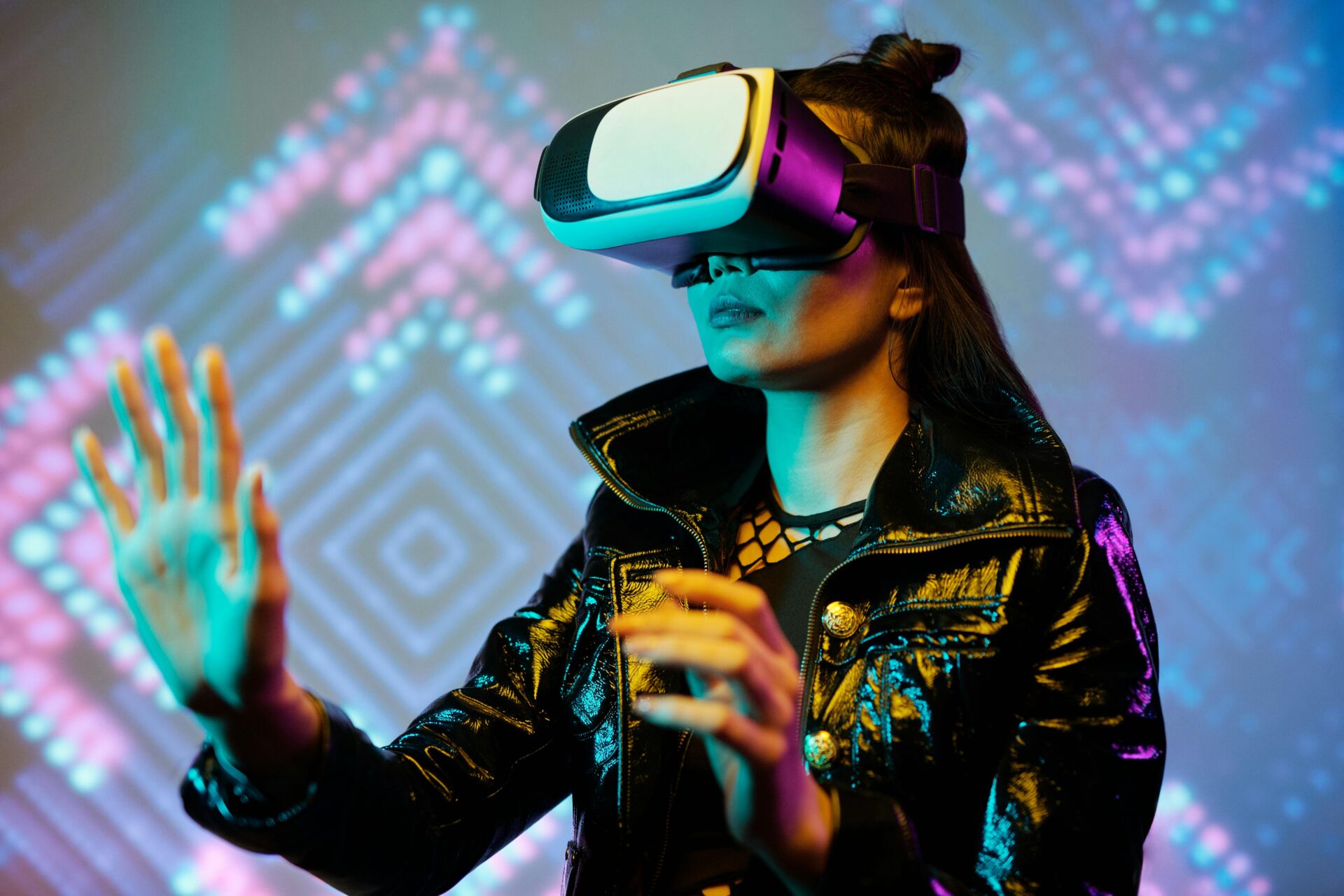
In conclusion, 4K technology has fundamentally reshaped the filmmaking landscape, offering tools that once belonged only to Hollywood to a new wave of independent creators. Just as businesses rely on managed IT services in San Antonio to streamline complex systems and ensure seamless operation, filmmakers now have the technical infrastructure and creative freedom to achieve professional-quality results on their own terms.
No longer is high-end production value the sole territory of massive budgets and studio contracts. Now, a filmmaker with vision, technical savvy, and modest resources can create something visually stunning—and compete on a global stage.
From indie sets to the red carpets of international festivals, 4K has democratized filmmaking in a way few other technologies ever have, shifting power from gatekeepers to creators and proving that great stories, beautifully told, can come from anywhere.